
When to See a Dentist for TMJ Jaw Problems (and When Not To)
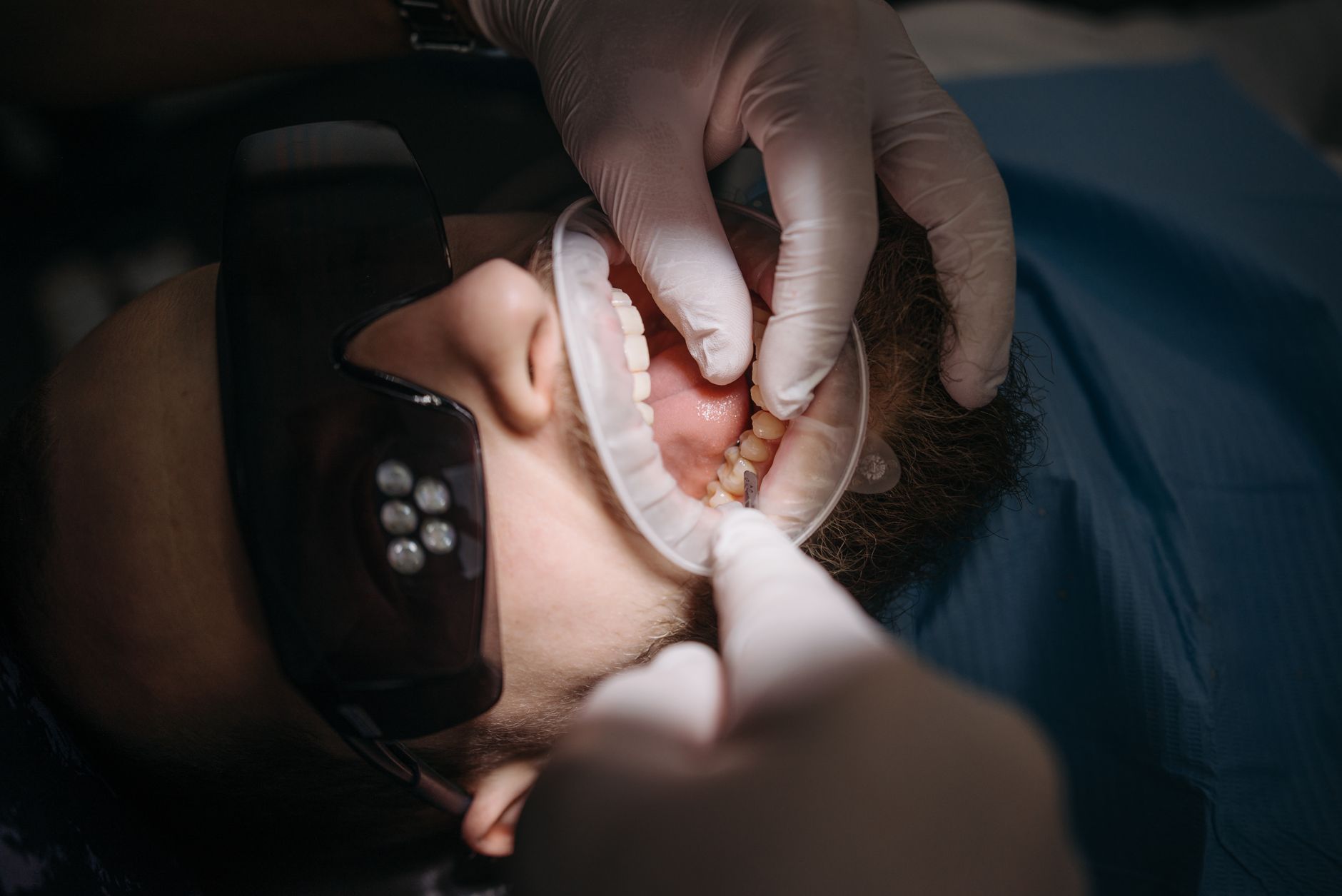
Photo by Pavel Danilyuk via Pexels
Signs That Mean Book a Dentist Soon
- The jaw locks. It stays shut, or it stays open and you have to work it back. Come the same day if it will not close.
- Pain that has lasted more than two weeks. Muscle soreness from a bad week of clenching settles. Joint pain that is still there a fortnight later is not settling.
- Your bite feels different. Teeth that no longer meet the way they did, or one side that touches first, points to the joint or to a tooth that has moved or cracked.
- Pain on chewing that you can point to one tooth for. That is usually the tooth, not the joint. See jaw pain from a tooth.
- A new click that started with pain or after a knock to the face.
None of these is dangerous by tomorrow morning. They are the ones where waiting makes the answer harder, not easier.
Signs That Can Wait for a Routine Visit
A click or pop without pain is very common, and it is often stable for years. Mention it at your next check-up and leave it there. We cover that case in why the jaw pops but does not hurt, and the repeating version in why the jaw keeps popping.
Morning tightness and a sore jaw on waking usually mean clenching in your sleep. That needs a conversation about a night guard, not an emergency slot. Why the jaw hurts on waking explains the pattern.
Why a Dentist Is the Right First Stop
Jaw pain is often not the joint at all. A cracked tooth, an infected tooth or an erupting wisdom tooth can all send pain along the jaw and into the ear, and from the outside they feel the same. Checking the teeth first rules out the cause that can be fixed in one visit.
We look at how the jaw opens and whether it deviates, feel the chewing muscles, check your bite for wear and cracks, and take an X-ray if a tooth is a suspect. If the picture points to the joint or muscles, we tell you so, and if it needs someone other than us we say who to see. For a clenching pattern, we can talk through a night guard. More on the joint-or-tooth question is in when to see a dentist for jaw pain.
If It Flares on a Friday Afternoon in Beit Shemesh
A locked jaw does not wait politely for Sunday. If it happens before Shabbat or during it, a jaw that will not close is the one case where we say do not sit on it. Message the clinic on WhatsApp, and remember that Shabbat is for genuine emergencies only. If you also have trouble swallowing or breathing, or a fast-growing swelling in the face or neck, go to the nearest hospital emergency department instead of waiting for us.
During the week, same-day appointments are possible at Harav Kook 28/1. You can describe what is happening in English or Hebrew, which matters here: "it clicks" and "it catches on the way open" are different findings, and it helps to say it exactly. Ramat Beit Shemesh patients are a short drive away and can read about urgent treatment in Ramat Beit Shemesh.
What to Do Until You Are Seen
- Cut food small for a couple of weeks. No big sandwiches, whole apples or tough meat.
- Rest the jaw. Lips together, teeth apart, tongue resting on the roof of the mouth.
- A warm cloth over the joint for a few minutes can ease stiffness.
- Do not force a locked jaw open or shut. Forcing it can make it worse.
- Painkillers you already tolerate are fine, taken as the packet says.
For guidance from sources that have nothing to sell, ADA MouthHealthy has a clear page on TMJ disorders and another on grinding and clenching.
If your jaw is doing something that this page puts under "book soon", message Urgent Dental Care in Beit Shemesh on WhatsApp or call 055-985-8845. You see one dentist, Dr. Gabriel Joel, DMD.
Common questions
Should I see a dentist or a doctor for TMJ pain?
Is a clicking jaw an emergency?
What if my jaw is stuck open or stuck shut?
Can I be seen the same day in Beit Shemesh for jaw pain?
Can teeth grinding cause TMJ symptoms?
How long should jaw pain last before I worry?
Still not sure? Message us.
Send Dr. Gabriel Joel, DMD a quick description of what's going on and we'll point you in the right direction.
Message on WhatsAppDentist in Beit Shemesh — our dental clinic