
When to See a Dentist for Jaw Pain, and When to Wait It Out
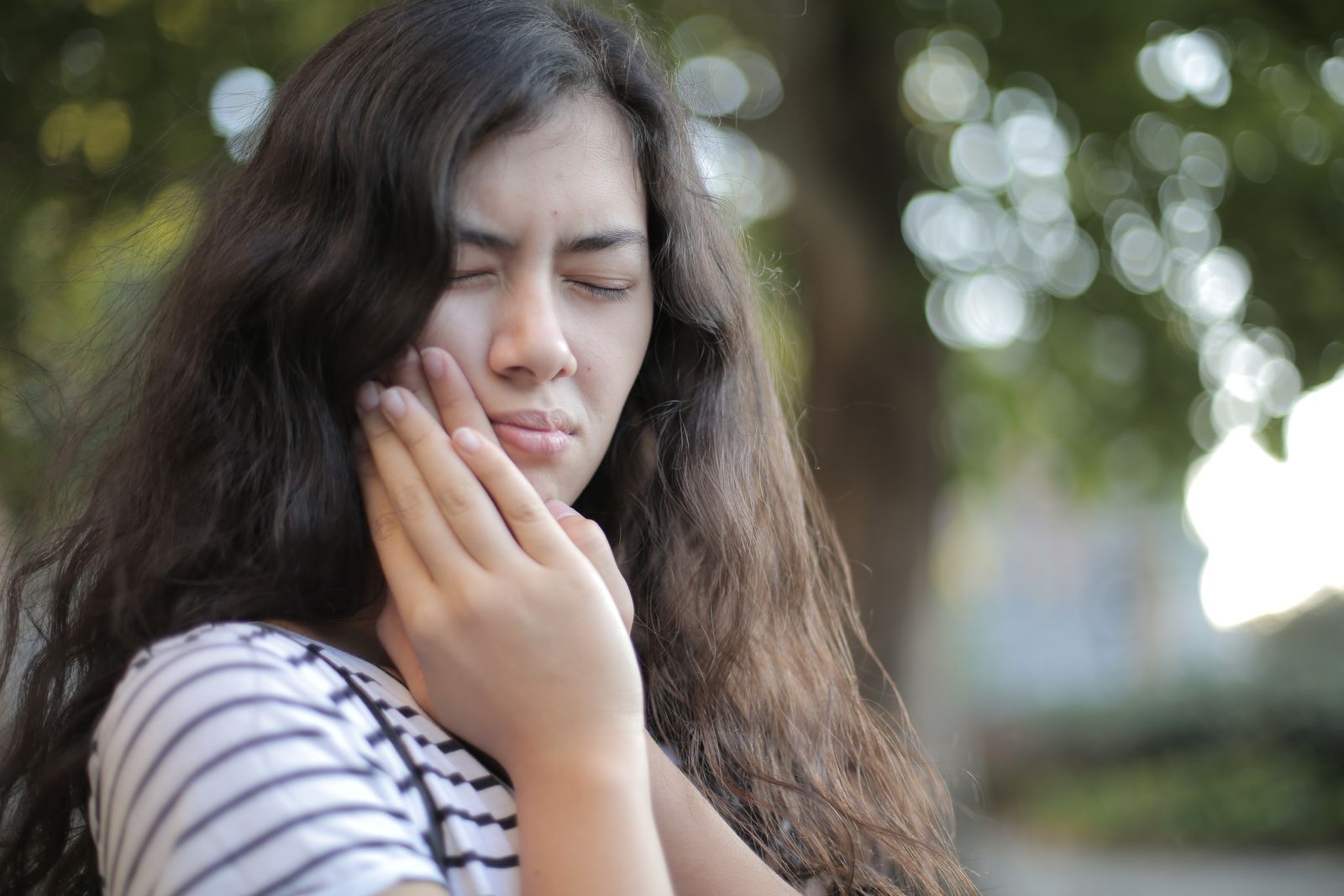
Photo by Andrea Piacquadio via Pexels
Signs That Mean See a Dentist Soon
Jaw pain is rarely the whole story. It usually rides along with something else, and the something else is what decides the urgency. Book a visit within a few days if you notice any of these:
- One tooth is sensitive, aching or sore to bite on, on the same side as the jaw pain.
- There is swelling along the gum, a small bump on the gum, or a bad taste that keeps coming back.
- Your bite feels different, with back teeth no longer meeting the way they did.
- The jaw clicks and catches, or briefly sticks when you open wide.
- It wakes you at night, or comes with earache or headache on the same side.
- It has not eased after about two weeks.
A tooth problem is the cause more often than people expect, because pain from an infected or cracked tooth spreads along the jaw. We cover how in jaw pain that comes from a tooth.
When It Should Not Wait for a Routine Slot
Some combinations are a same-day problem rather than a this-week one:
- Jaw pain together with a swollen cheek or face, especially if it is growing.
- Severe pain in one tooth that keeps you up, with the jaw aching on that side.
- A jaw that hurts after a knock, a fall or a sports injury, particularly if you cannot close your teeth together normally.
- A jaw that is stuck open. Read what happened when a jaw locked open on a yawn first, but if it will not close at all, go to a hospital emergency department rather than waiting for us.
Swelling that makes it hard to swallow or breathe is a hospital matter, not a dental appointment.
When Jaw Pain Is Not a Dental Problem
Pain in the jaw, particularly the left side, that arrives with chest tightness, shortness of breath, sweating, nausea or pain down the arm needs an ambulance, not a dentist. The heart can refer pain to the jaw. If there is any chance that is what is happening, call emergency services first and ask questions about teeth later.
A sinus infection can also ache in the upper teeth and jaw, as we describe in sinus infection or toothache. That one is worth sorting out with a doctor if you have a blocked nose and fever.
Jaw Pain That Can Usually Wait
Most people who come to us with this have already been through a round of hoping it would go away, and in many cases the answer is boring: tired muscles. These are reasons to rest it and watch it for a week:
- An ache after a big meal, a tough piece of bread or a long stretch of chewing gum.
- Soreness after a long dental appointment with your mouth open.
- Tension in the jaw after a stressful few days, with no tooth pain and no swelling.
- A jaw that clicks but does not hurt, catch or lock. See a jaw that pops without pain.
For a day or two, eat soft food, keep your teeth apart when you are not eating, and use a warm compress for a few minutes at a time. Ibuprofen or paracetamol at the dose on the packet is fine if you can normally take them. If it is easing, you do not need us. If it is not, the first thing we would check is whether it is a clenching problem or a tooth, and our post on the common causes of jaw pain walks through the usual suspects.
Getting a Jaw Checked in Beit Shemesh
At our clinic on Harav Kook in Beit Shemesh, we look at how far your mouth opens and whether the jaw drifts to one side, feel the chewing muscles, check the teeth for wear or cracks, and take an X-ray if a tooth could be involved. Dr. Joel treats in English and Hebrew, so you can describe where it hurts and when, instead of approximating. A jaw that has changed suddenly can often be seen the same day through our emergency dentist in Beit Shemesh service, and patients from Ramat Beit Shemesh are only a couple of kilometres away, with a page for emergency dentistry in Ramat Beit Shemesh too.
If the cause is clenching or grinding, the usual answer is a night guard. If it is a tooth, treating the tooth settles the jaw. The American Dental Association's MouthHealthy page on TMJ and the NIDCR guide to TMJ disorders both describe the short-lived kind of soreness as common and usually self-limiting.
Not sure which side of the line you are on? Send a WhatsApp message to Urgent Dental Care, Harav Kook 28/1, Beit Shemesh, on 055-985-8845 and describe what you feel. We will tell you whether it is worth coming in.
Common questions
How long should jaw pain last before I see a dentist?
Should I see a dentist or a doctor for jaw pain?
Can jaw pain be caused by a tooth infection?
Is jaw pain an emergency?
Can I be seen in Beit Shemesh on the same day for jaw pain?
What will the dentist do for jaw pain?
Still not sure? Message us.
Send Dr. Gabriel Joel, DMD a quick description of what's going on and we'll point you in the right direction.
Message on WhatsAppDentist in Beit Shemesh — our dental clinic