
Can a Root Canal Get Infected? Yes, and What to Do Next
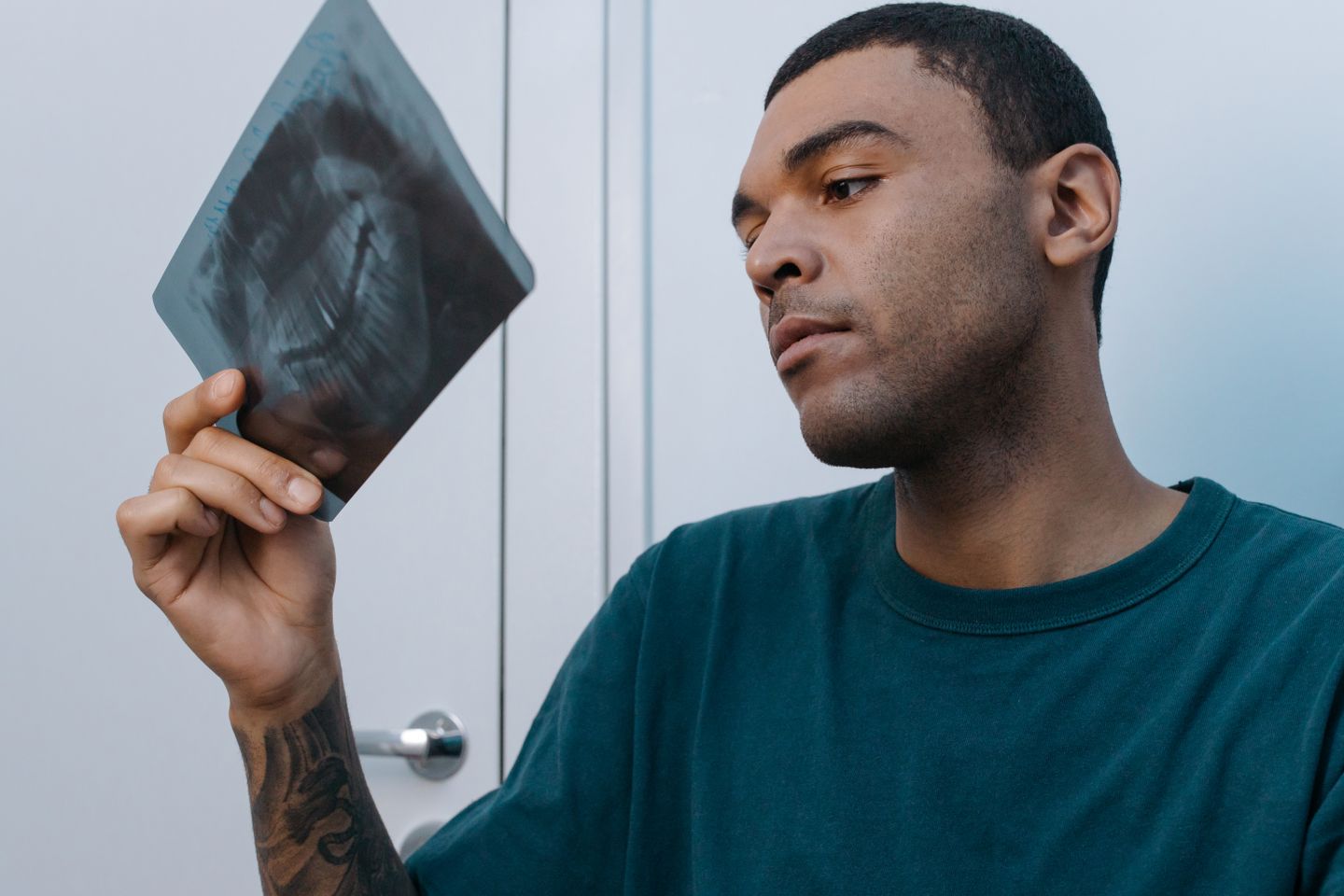
Photo by cottonbro studio via Pexels
Why a treated tooth can still get infected
A root canal removes the infected pulp (the nerve and blood vessels inside the tooth), cleans the canals and seals them. The seal only works while it stays sealed. There are two ways it stops working:
- Bacteria that were left behind. A narrow or extra canal can be missed, or a branch can be too fine to clean fully. Those bacteria can sit quietly for months. See what happens if a root canal was not done completely.
- Bacteria that came in afterwards. A leaking crown, a cracked filling, new decay at the edge of a restoration or a crack in the tooth all give them a path. Our post on the crown after a root canal explains why the top layer matters as much as the root filling.
A tooth with no nerve will not warn you about new decay. That is the odd part of a root canal: the tooth stops hurting, which is the point, and it also stops telling you things.
Signs the tooth is infected again
- Pain on biting, or a dull ache that returns after a quiet stretch
- A pimple-like bump on the gum that drains, then fills again
- Swelling of the gum or cheek near the tooth
- A bad taste that does not go away
- A tooth that feels slightly high or tender to tap
Some infections give no symptoms at all and show up only as a dark area around the root on a routine X-ray. If the tooth hurts but you are not sure it is an infection, read why a tooth can still hurt after a root canal, because some soreness in the first days is normal.
How it is treated
The fix depends on why it happened, and the X-ray tells us most of that.
- Retreatment. The old filling is removed, the canals are cleaned again and sealed again, and the tooth is rebuilt. It is usually the first choice when the tooth is otherwise sound. Details are on our page for root canal retreatment in Beit Shemesh.
- Extraction. If the root is cracked or too little tooth remains, taking it out is the honest answer. We compare the two in retreatment versus extraction.
Antibiotics can calm swelling for a while. They cannot clean a canal, so when they run out the infection usually comes back. Most people who reach us with this have already finished one course and hoped that was the end of it. The longer story is in antibiotics for a tooth infection.
When to go to hospital, not to us
Most re-infections are an appointment, not an emergency. Go to an emergency room instead if you have:
- Swelling spreading under the jaw or down the neck
- Difficulty swallowing or breathing
- Swelling that is closing the eye, or a fever with a face that is getting worse quickly
Those can mean the infection is moving into deeper tissue. If it is a returning ache or a bump on the gum, call us. Our guide to when a dental infection means the hospital goes through it in more detail.
Getting it checked in Beit Shemesh
The clinic is on Harav Kook 28/1. We are open Sunday to Thursday, 08:00 to 20:00, and Friday 09:00 to 17:00. Shabbat is reserved for genuine emergencies only. A tooth that starts throbbing on a Thursday night is a different problem from one that starts on Friday afternoon, so if it is building, do not wait for the weekend to see whether it settles. Same-day appointments are possible at the Beit Shemesh clinic, and you can describe the history in Hebrew or English, which matters when the question is exactly when the root canal was done and by whom.
We will take an X-ray, test the tooth and compare it with any earlier films you can bring, then tell you plainly whether it can be saved. If the tooth is fine and the pain is something else, we will say that too. The American Association of Endodontists has a clear guide to root canal treatment, and the ADA's root canal page describes what a healthy result looks like. If you are in Ramat Beit Shemesh, the clinic is about 2 km away, and our page on root canal care for Ramat Beit Shemesh covers the first-time treatment.
If a root-canalled tooth hurts, swells or has a bump on the gum, call or WhatsApp Urgent Dental Care in Beit Shemesh on 055-985-8845. Tell us when the root canal was done and what the tooth is doing now.
Common questions
How soon after a root canal can the tooth get infected?
Can a root canal tooth get a cavity?
Will antibiotics cure an infected root canal tooth?
Can an infected root canal tooth be saved?
Is an infected root canal tooth dangerous?
Can I be seen the same day in Beit Shemesh if my root canal tooth is swollen?
Still not sure? Message us.
Send Dr. Gabriel Joel, DMD a quick description of what's going on and we'll point you in the right direction.
Message on WhatsAppDentist in Beit Shemesh — our dental clinic