
English-Speaking Dentist in Beit Shemesh: Yes, Really
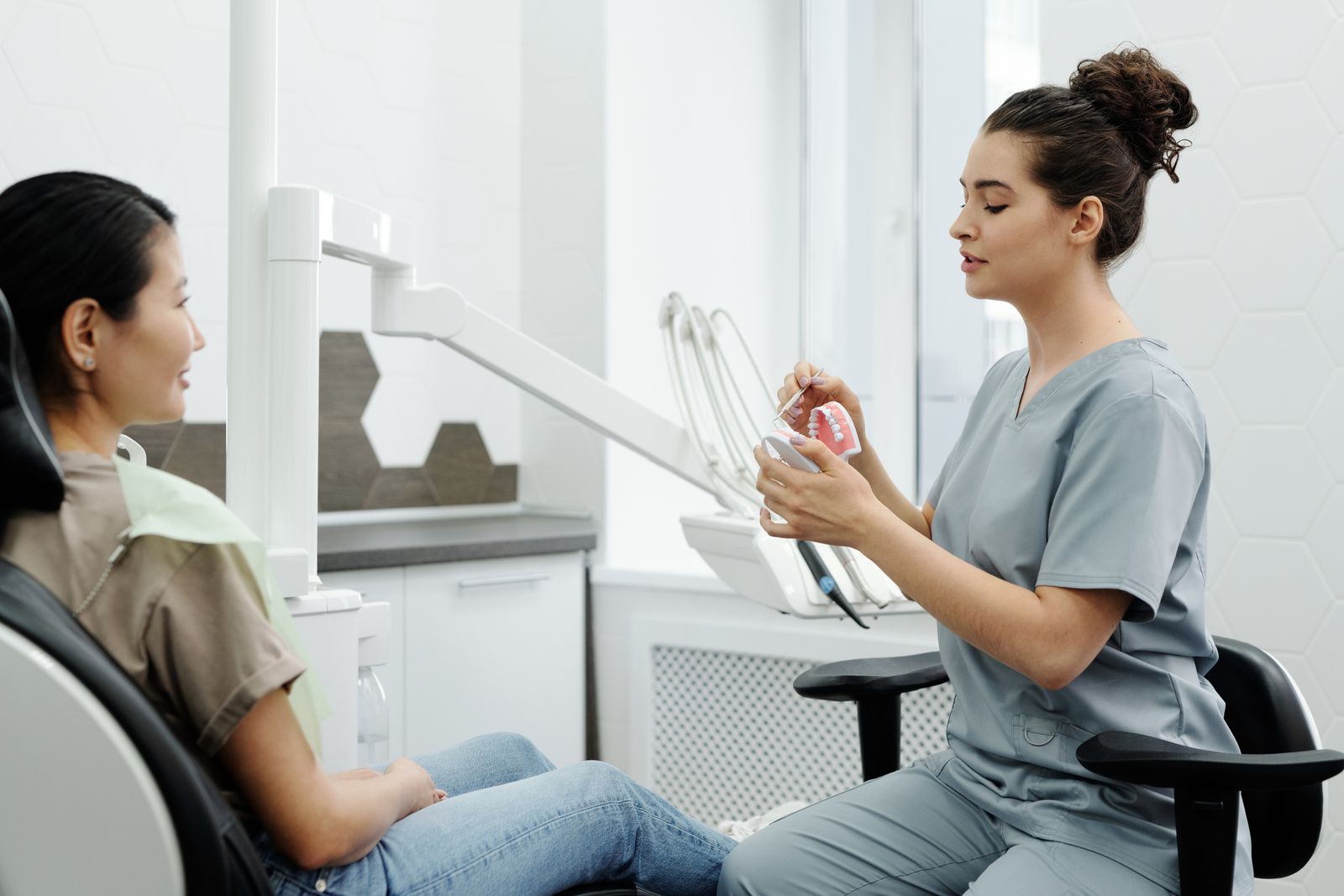
Photo by Cedric Fauntleroy via Pexels
Yes, and What "Yes" Actually Means
Most dentists in Israel speak some English. But "some English" and "the whole appointment in English" are different things, and the gap shows up exactly where it matters: describing a pain that comes and goes, following why one tooth needs a root canal while another can wait, understanding the aftercare when you are already stressed and sore.
Here it is not a phrasebook effort. The dentist you see, Dr. Gabriel Joel, DMD, grew up speaking English and trained in the United States, so nothing gets rounded off or skipped because the words ran out. You get to take part in the decisions about your own tooth instead of nodding along and hoping you understood.
Why the Language Matters More at the Dentist
A dental visit runs on communication more than most medical appointments. The diagnosis often turns on details only you can give: whether the pain is sharp or dull, set off by hot or cold, constant or coming in waves. Get the description wrong and the plan can go wrong with it.
A shared language changes four ordinary parts of the visit:
- Telling us what is actually happening, in your own words, without translating on the fly.
- Understanding the choice in front of you (why this tooth needs treating now and that one can wait), with room to ask.
- Consenting to something you followed, not something you assumed from context and a diagram.
- Following the aftercare — what to take, what to avoid, and which sign means call back.
Ulpan is good for the makolet and for arguing with Bezeq. It skips the specific way a molar throbs when you lie down, and a swollen jaw is a poor evening to go hunting for the word. If you want to walk in already knowing what to ask, our list of questions to ask before a root canal is a good start.
Made for the Anglo Community Here
Ramat Beit Shemesh has one of the largest concentrations of English-speaking olim in the country, so wanting a dentist you can simply talk to is not a niche request here. The supply is patchier than you would expect. At a kupah (health fund) clinic you get whoever is on the rota, and you cannot request a language. Private clinics run from fluent to a few polite phrases.
The result is a lot of Anglos translating their own symptoms mid-appointment and leaving unsure what was decided. A short drive to a dentist you can talk to freely often beats the closer chair where you are rationing your Hebrew. Patients from further out feel it too — our post on why people travel to a dentist outside Beit Shemesh and our guide for patients near Jerusalem cover that side.
What the Whole Visit in English Covers
"In English" here means the whole thing, not only the couple of minutes the dentist is talking. Reception, the examination, the treatment itself, and the aftercare on your way out all happen in English. You are told the price for your specific tooth before anything starts, in plain terms, so nothing about cost gets lost in translation either.
Because it is a small clinic, you tend to see the same dentist each visit, so you are not re-telling your history to a new face every time. If turning up prepared helps you feel steadier, our note on what to bring to an emergency dental appointment covers the practical side, and if the chair itself is the part you dread, being scared of the dentist goes through what actually helps.
When to Call Us, and When to Skip Us
Being able to book in English matters most when something has gone wrong and you need to explain it fast. Call the same day if a tooth is throbbing and keeping you up, if it hurts to bite down, or if there is swelling in the gum, cheek, or jaw. Those usually mean an infection that will not settle on its own, and waiting to see if it quiets down is generally the more expensive choice, not the cheaper one. Our guide on telling a toothache from a real dental emergency shows where that line sits, and our emergency dental care page explains how a same-day visit runs.
Some things are past what any dental clinic should handle, and language is not the issue there. If swelling is spreading toward your eye or down into your neck, or you are having any trouble breathing or swallowing, go straight to a hospital emergency room, not a dentist. Hospital staff here handle English routinely, so that is one worry you can set down. And some things genuinely wait: a chip that does not hurt, a cleaning, a check-up you have been meaning to book belong on the calendar, not in a same-day slot. Nobody needs to rush an appointment just because it is finally one they can make in English.
If you want a dentist in Beit Shemesh where the whole visit is in English, call or WhatsApp us at 055-985-8845 and tell us what is going on with the tooth. We will tell you how soon you need to be seen, and if it can safely wait, we will say so rather than rush you in. We are at Harav Kook 28/1 in Ramat Beit Shemesh, open Sunday to Thursday 8:00 AM to 8:00 PM and Friday 9:00 AM to 5:00 PM, with after-hours emergency treatment outside those hours. You see one dentist, Dr. Gabriel Joel, DMD, who trained in the United States, and every part of the visit can be in English. Our English-speaking dental care and emergency dental care pages explain how visits work.
For dental guidance from sources with nothing to sell, the ADA's MouthHealthy explains what to expect at a dental visit and how to handle a dental emergency, and the American Association of Endodontists has plain-language patient information on saving a tooth.
Common questions
Do you actually have an English-speaking dentist?
Is the whole appointment in English, or just the dentist?
Where is the clinic, and who does it serve?
Does an English-speaking dentist cost more?
Can I be seen the same day in English for an emergency?
Do I need any Hebrew at all?
Still not sure? Message us.
Send Dr. Gabriel Joel, DMD a quick description of what's going on and we'll point you in the right direction.
Message on WhatsAppDentist in Beit Shemesh — our dental clinic