
What to Bring to an Emergency Dental Appointment: A List
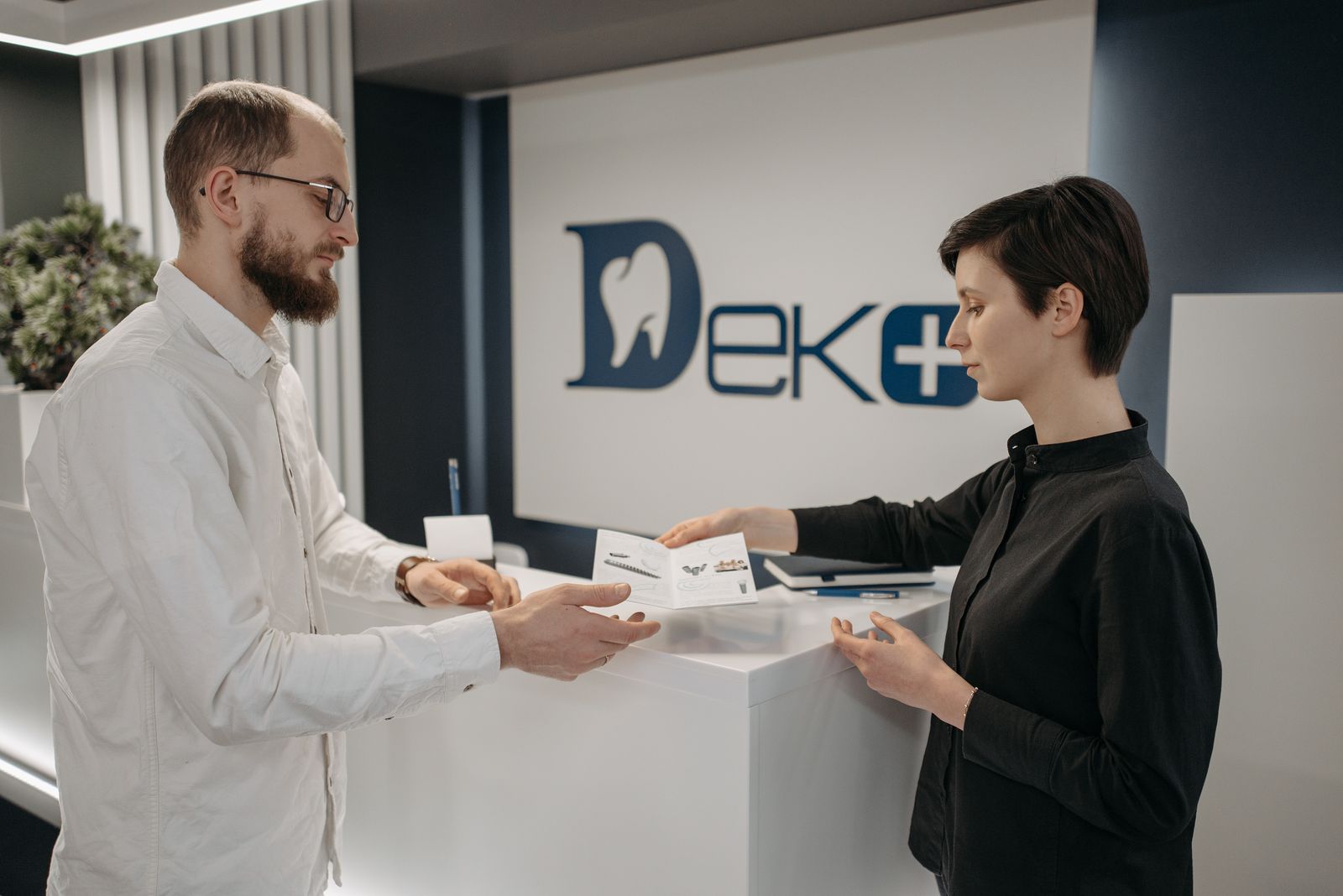
Photo by Pavel Danilyuk via Pexels
What to Bring: The Short List
Most of this fits in a pocket. If you have five minutes before you leave, gather:
- Photo ID. A teudat zehut, passport, or driving licence. Any clinic needs to know who you are.
- Your health-fund or insurance details. Your kupat cholim card or private dental insurance information, if you have it. It helps us check what, if anything, is covered, but it doesn't decide whether you're seen.
- A list of your medicines. Everything you take regularly, including blood thinners, with the doses. A photo of the boxes on your phone is fine.
- Anything you're allergic to. Especially reactions to antibiotics or local anaesthetic.
- A broken or knocked-out tooth, or the piece that came off, kept in milk or your own saliva. More on that below.
- Any recent X-rays or a referral, if another dentist has already looked at this tooth. A photo of the X-ray on your phone works.
That's the whole list. Nobody expects you to arrive with a folder.
If You're in Pain or a Tooth Broke
An emergency appointment usually means you're hurting or something physically came apart in your mouth. A few extra things help in those cases:
- Take a painkiller before you come if you're in pain, and note the time and dose so you can tell us. For most dental pain ibuprofen works better than paracetamol, and our guide to what actually helps a toothache covers the amounts.
- Bring the tooth or fragment. If a tooth was knocked out, time matters more than anything you pack: get it into milk or saliva and come straight in. Our guides to a knocked-out tooth and a broken front tooth explain the first hour.
- Take a photo of the problem before you leave, in case the swelling or bleeding looks different by the time you're in the chair. You can send it over WhatsApp ahead of the appointment.
- Wear something you can relax in. You may be in the chair a while, and a loose sleeve makes it easier if you need an injection.
What You Don't Need, and When to Just Come
Here is the part a marketing page won't tell you: for a genuine dental emergency, the documents matter less than getting there. You will be seen for pain, swelling, or a broken tooth whether or not you brought your insurance card, and whether or not you're registered with us. Don't spend twenty minutes hunting for a kupah card while a tooth is throbbing. Come, and sort the paperwork when you arrive.
You also don't need to bring:
- Cash for the exact amount. The cost depends on what the tooth needs, so there's no single figure to bring. You're told the price before any treatment starts, and our guide to what an emergency visit costs covers how that works.
- A companion, unless the patient is a child, someone who needs help getting about, or you'd simply rather not come alone. Any of those is a fine reason to bring someone.
- Your whole dental history in writing. Roughly what's been done and when is enough; we can fill in the rest.
If you're not sure whether what you have even counts as an emergency worth coming in for today, our guide to telling a real emergency from one that can wait helps you decide.
What Happens When You Arrive
Knowing the shape of the visit takes some of the worry out of it. A first emergency appointment is mostly about finding the problem and getting you comfortable, not finishing every bit of treatment in one go.
- A few quick questions and forms. Your details, your medical history, what's hurting and for how long. This is where the medicine list and ID come in.
- A look and usually an X-ray. The dentist finds the tooth, taps a couple, and takes an X-ray to see below the gum.
- The plan and the cost, before anything else. You hear what's wrong, what it needs, and what it costs before any treatment begins.
- Getting you out of pain. That might mean draining an infection, starting a root canal, a temporary dressing, or removing a tooth that can't be saved. The rest can often wait for a later visit.
Our guides to same-day tooth pain and the first ten minutes of a dental emergency walk through this in more detail.
Getting Seen in English in Beit Shemesh
If your Hebrew runs out somewhere around describing nerve pain, you can do the whole appointment in English here. Dr. Joel trained and qualified in the United States, so filling in the medical history, hearing the plan, and asking the questions you actually want answered all happen in a language you're comfortable in. When you're already in pain, not having to translate for yourself is a real relief.
We're in Ramat Beit Shemesh and see patients from across the wider area, not only local residents, and you don't need to be registered with us in advance.
If you need an emergency dental appointment, call or WhatsApp 055-985-8845, and send a photo of the problem if you can. We'll tell you what to bring for your particular case and how soon to come in, and if it's something that can safely wait for a routine visit, we'll say so rather than rush you in. We're in Ramat Beit Shemesh, open Sunday to Thursday 8:00 AM to 8:00 PM and Friday 9:00 AM to 5:00 PM, with after-hours emergency treatment outside those hours. Our emergency dentist and same-day treatment pages explain how we handle urgent visits.
For guidance from sources with nothing to sell, the ADA's MouthHealthy explains what counts as a dental emergency, and the American Association of Endodontists covers the symptoms behind tooth pain in more detail.
Common questions
What do I need to bring to an emergency dental appointment?
Can I be seen without my insurance card?
What should I do with a tooth or piece that broke off?
Do I need to be a registered patient or a Beit Shemesh resident?
Should I take a painkiller before I come?
How much money should I bring to pay?
Can my emergency dental appointment be in English?
Still not sure? Message us.
Send Dr. Gabriel Joel, DMD a quick description of what's going on and we'll point you in the right direction.
Message on WhatsAppDentist in Beit Shemesh — our dental clinic