
Can a Cracked Tooth Cause Bad Breath? Yes, Here Is How
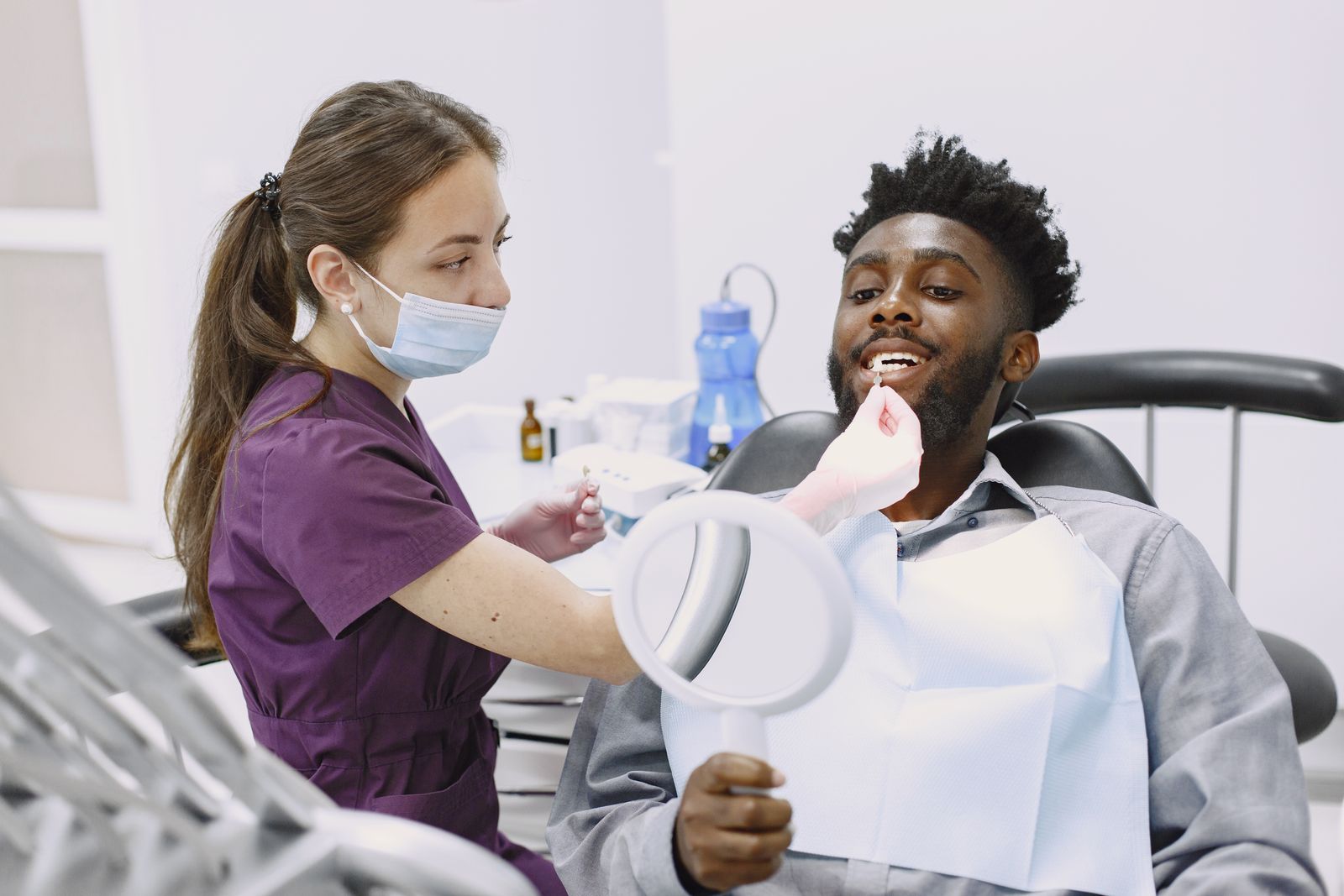
Photo by Gustavo Fring via Pexels
Why a crack smells
A crack is a narrow gap, and a narrow gap is a good place for plaque to sit undisturbed. Brushing and flossing do not clean inside it. The bacteria that live there produce sulphur compounds (the same gases behind most bad breath), so the smell stays local to that tooth.
You may notice it as a bad taste more than a smell, or only when you press on the tooth or floss near it. Our post on a bad taste coming from one tooth covers that version.
When the smell means the nerve is infected
A crack that reaches the pulp (the nerve and blood vessels inside the tooth) lets bacteria in. The nerve can die, and an infection can form at the tip of the root. Some of these drain through a small opening in the gum, and the fluid has a strong, unpleasant taste and smell.
Signs that point this way:
- A bad taste that returns even after you brush and rinse
- A small pimple or bump on the gum near the tooth
- Pain on biting, or pain that wakes you at night
- Swelling in the gum or cheek
An infected tooth can also be quiet. We wrote about that in why a tooth abscess can be painless, and the lump itself is covered in the lump on the gum.
When it is not the crack
Most bad breath does not come from a cracked tooth. The common causes are plaque on the tongue, gum disease, a cavity, a dry mouth and a tooth that already has a failing filling or crown. A smell from the whole mouth, worst in the morning and better after brushing your tongue, is almost never a single tooth.
The pattern that makes us suspect a crack is a smell or taste tied to one tooth, plus bite pain or cold sensitivity on that same side. What cracked tooth pain feels like describes it. A tooth with an old crown can do the same thing, which we cover in an infection under a crowned tooth.
What to do until you are seen
Brush gently around the tooth, clean your tongue and rinse with warm water. Mouthwash will cover the smell for an hour or so, but it does not reach a crack and it is not treatment. Chew on the other side and avoid anything very hard.
Do not try to drain a gum bump yourself, and do not take leftover antibiotics from an old prescription and call it finished. Antibiotics may calm an infection for a while, but they do not repair a crack. The tooth still needs to be treated. The American Association of Endodontists has a plain guide to cracked teeth, and the ADA's MouthHealthy page is a good second source.
Do not come to a dental clinic first if there is swelling that spreads toward the eye or down the neck, trouble swallowing or breathing, or fever with facial swelling. Those need an emergency room. If you are not sure, the emergency room versus the dentist sets it out. If the smell is mild and nothing else is wrong, it can wait for a routine appointment, but not for months.
How it is treated
The treatment depends on how deep the crack goes. A shallow crack in a healthy tooth may only need a crown to hold the two halves together. If the nerve is infected, a root canal comes first, then a crown. A crack that runs down into the root can mean the tooth cannot be kept, and we say so before we start. Whether a crack can ever close by itself is answered in whether a cracked tooth can heal, and the broader picture is in our guide to cracked teeth. Details of the service are on our cracked tooth repair page for Beit Shemesh and, for those living further up the hill, the Ramat Beit Shemesh page, about 2 km from the chair.
If you notice it on a Thursday night in Beit Shemesh
Our clinic at Harav Kook 28/1 is open Sunday to Thursday 8:00 to 20:00 and Friday 9:00 to 17:00. Shabbat is for genuine emergencies only. A bad taste that starts on Thursday evening is an awkward problem, because the weekend is long. Same-day appointments are possible at the Beit Shemesh clinic. Dr. Joel is USA-trained and treats in English and Hebrew, so you can describe a smell you find embarrassing in whichever language is easier.
To get a tooth that smells checked in Beit Shemesh, call or WhatsApp Urgent Dental Care on 055-985-8845.
Common questions
Can a cracked tooth cause bad breath without any pain?
How do I know if the smell is from a tooth or my gums?
Will mouthwash fix bad breath from a cracked tooth?
Is a cracked tooth that smells an emergency?
Can I get a cracked tooth checked quickly in Beit Shemesh?
Will the smell go away after treatment?
Still not sure? Message us.
Send Dr. Gabriel Joel, DMD a quick description of what's going on and we'll point you in the right direction.
Message on WhatsAppDentist in Beit Shemesh — our dental clinic