
Is It Normal for the Tooth Next to an Extraction to Hurt?
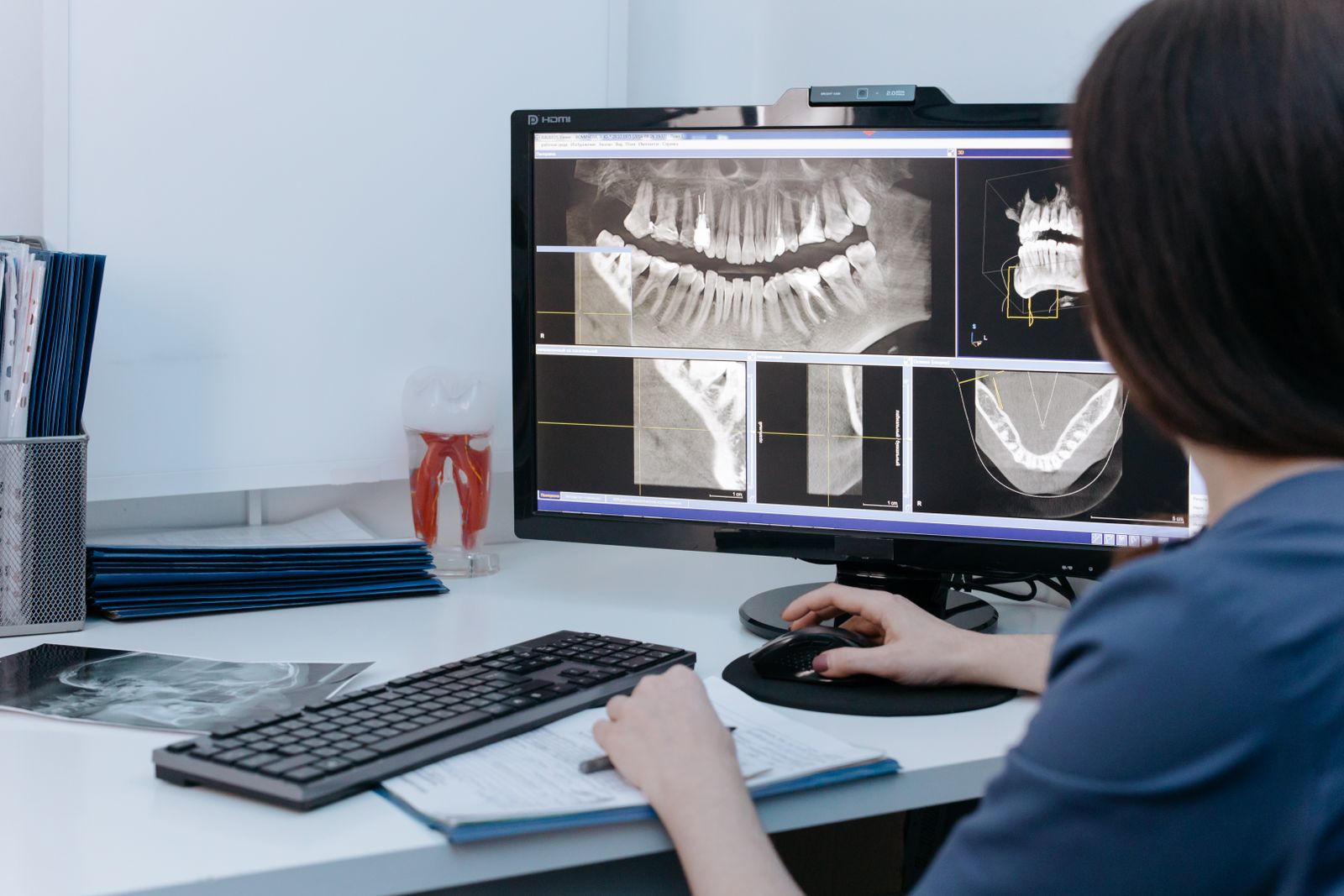
Photo by cottonbro studio via Pexels
Why the Neighbouring Tooth Hurts
A tooth that has just been removed leaves a wound, and the teeth on either side of it share that area. Several things can make them ache, and most are harmless.
- Bruised ligament. Each tooth is held by a thin ligament around the root. Removing the tooth next door pushes and pulls on the ones beside it, and the ligament can be tender for a few days, the way a knee is after a knock.
- Swelling in the same area. The gum and bone around the socket swell as part of healing, and the neighbouring tooth sits in the middle of it.
- Referred pain. The nerves of neighbouring teeth overlap, so the brain often cannot tell which tooth the ache comes from. The sore spot may feel like it is one tooth over from where the work was done.
- Extra bite force. With a gap, you chew harder on the nearby teeth without noticing. They get tired.
This kind of soreness is dull, tender to bite on and slowly easing. In most cases the answer is boring.
When the Neighbour Already Had a Problem
Sometimes the extraction did not cause the pain, it just made you notice it. While the bad tooth was shouting, nobody heard the one next to it. Once the loud one is gone, the quiet one is suddenly audible.
Look for these:
- Pain that is sharp rather than dull, or triggered by cold or sweet things.
- A visible hole, a dark patch or a broken filling on the neighbouring tooth.
- Pain that was there before the extraction, even faintly.
A cavity or a deep crack beside the extraction site can reach the nerve. Our post on tooth pain when biting covers the cracked-tooth version. If the neighbour needs treatment, earlier is cheaper and easier than later.
Signs It Is Not Normal Healing
The first two days are the sorest. After that, healing should be a slow improvement. These do not fit that picture:
- Pain that gets worse from day three onwards. That is the classic window for dry socket, where the clot is lost and the ache spreads to nearby teeth and often towards the ear. Our post on why an extraction hurts more on day three explains the difference from normal healing.
- A throbbing ache that keeps you awake and is not helped by your usual painkiller.
- A bad taste, pus, or a pimple-like bump on the gum.
- Swelling that increases rather than fades, or fever.
- The neighbouring tooth feeling loose.
One of these means a call, not a wait. Several together mean the same day.
When to Go to the Hospital Instead
Go to an emergency room, not to us, if swelling spreads towards the eye or down the neck, if you cannot swallow or open your mouth properly, if breathing is difficult, or if you have a high fever. That is infection moving beyond the tooth. Dental infection and the emergency room sets out the signs.
Getting It Checked in Beit Shemesh
The clinic is at Harav Kook 28/1, open Sunday to Thursday 8:00 AM to 8:00 PM and Friday 9:00 AM to 5:00 PM. Shabbat is reserved for genuine emergencies only. Extractions are often done late in the week, which is exactly when a worsening ache turns up: Thursday night, with Friday short and Shabbat in between. Better to ring on Thursday evening than to carry it through the weekend and hope.
Same-day appointments are possible. Dr. Joel is US-trained and treats in English and Hebrew, so you can say precisely which tooth, which side and what kind of pain, instead of translating it. We are about 2 km from Ramat Beit Shemesh. For how an urgent visit works, see our emergency dentist in Beit Shemesh page, or our tooth extraction page for what happens afterwards.
What Helps in the Meantime
- Chew on the other side for a few days and keep food soft.
- Take the painkiller you were advised to take, at the dose on the packet. Our post on when you can stop painkillers after an extraction covers the timing.
- Rinse gently with warm salt water from the day after, half a teaspoon in a glass. Do not swish hard.
- Do not poke the area with your tongue or finger. It does not help and it does irritate the socket.
When Not to Come to Us First
If the soreness is mild, improving each day and you can eat comfortably, you do not need an appointment. Wait for your normal follow-up. If the extraction was done elsewhere and you were told what to expect, trust that first. We would rather you stayed home than booked a slot for a tooth that is simply healing.
If the tooth beside your extraction is getting worse, call or WhatsApp 055-985-8845. Urgent Dental Care is at Harav Kook 28/1 in Beit Shemesh, with emergency treatment outside regular hours. Tell us which tooth was removed, how many days ago, and what the neighbour feels like.
For independent reading, see the ADA's MouthHealthy page on wisdom teeth and their removal and the American Association of Oral and Maxillofacial Surgeons' patient information.
Common questions
Is it normal for the tooth next to my extraction to hurt?
How long should the neighbouring tooth stay sore?
Could the neighbouring tooth have been damaged during the extraction?
Can dry socket make the teeth next to it hurt?
Can I get a same-day appointment in Beit Shemesh for this?
Does the neighbouring tooth need treatment if it still hurts after healing?
Still not sure? Message us.
Send Dr. Gabriel Joel, DMD a quick description of what's going on and we'll point you in the right direction.
Message on WhatsAppDentist in Beit Shemesh — our dental clinic