
Skipping the Crown After a Root Canal: What Actually Happens
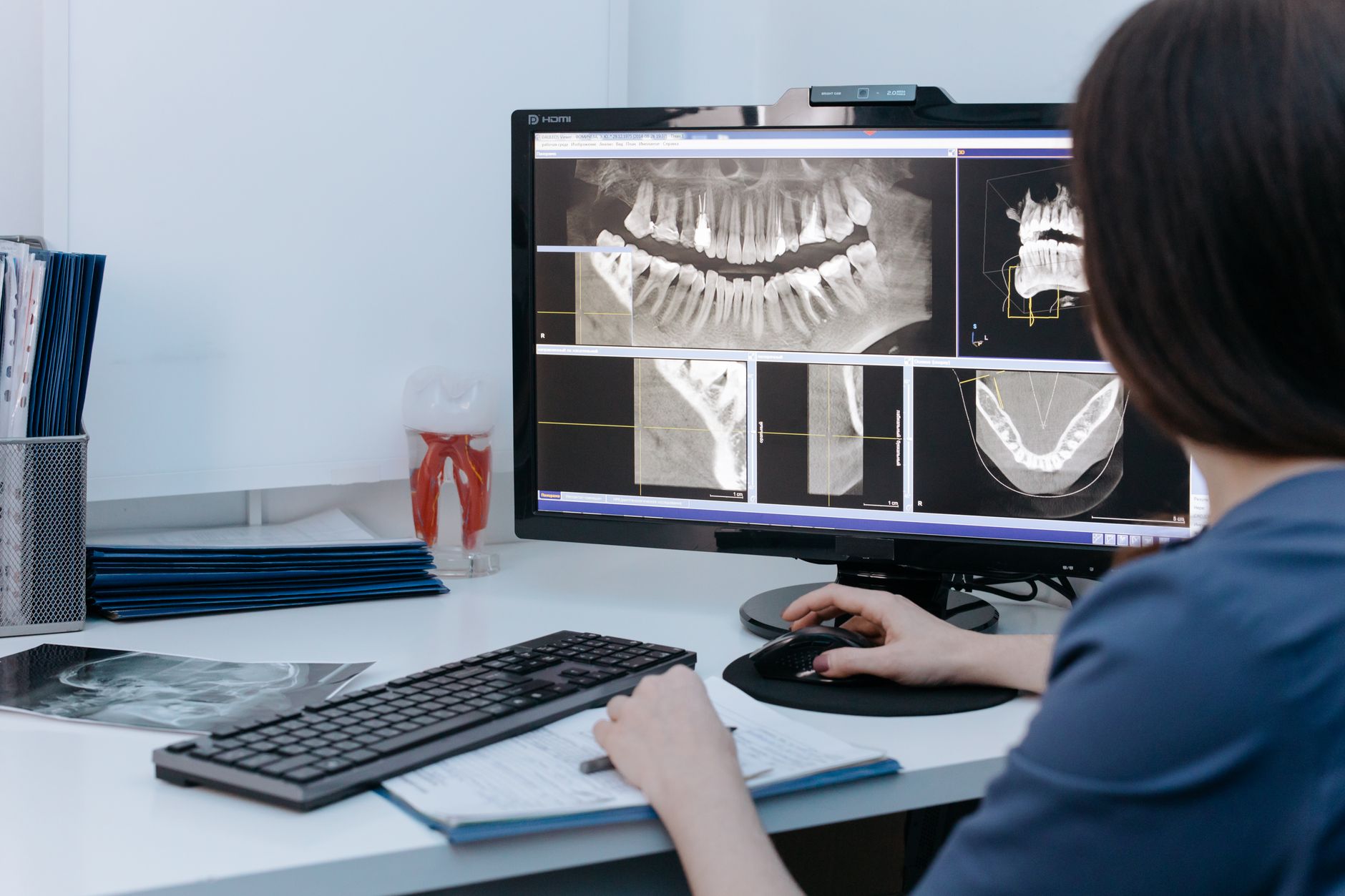
Photo by cottonbro studio via Pexels
The order an uncrowned tooth fails in
Skipping the crown does not produce one dramatic event. It sets off a sequence with a fairly reliable shape.
- The first few weeks. Nothing. The tooth is comfortable, the temporary holds, and the appointment slides down the list.
- The next few months. The temporary wears flat. Food packs into the edges and the tooth gets touchy under pressure.
- Somewhere in the first year or two. The seal fails properly and bacteria repopulate canals that were cleaned correctly.
- Any time at all. A cusp cracks. This one does not queue politely behind the others.
Those are patterns, not a schedule. Some uncrowned molars last a surprisingly long time. But the direction of travel only goes one way.
Stage one: the seal leaks and the tooth reinfects
A temporary filling is built to come out again. The material is deliberately soft and it does not bond to the tooth the way a permanent restoration does. Chewing wears it down, and saliva finds the gap.
Once bacteria track past it they reach canals that were disinfected and sealed, and the infection starts over. The signs are the ones you would expect: pain on biting, a bad taste on one side, a small boil on the gum, sometimes swelling. Our post on the signs a root canal has failed goes through them, and if the temporary itself drops out, what to do about a lost temporary filling is the short version.
From the outside this looks like a failed root canal. Usually the canals were fine. The tooth was just never closed properly.
Stage two: the crack, and where it stops decides everything
This is the stage that ends teeth. Reaching the canals of a molar means removing the walls of enamel that tie one cusp to the next, so each cusp flexes on its own every time you chew. Cracks start small and travel.
- A crack that stops above the gum. Survivable. The tooth usually needs a build-up and then the crown it should have had in the first place.
- A crack running below the gum line. Generally the end of that tooth. It cannot be crowned and it cannot be retreated, so it comes out.
- A split root. Extraction, then an implant or a bridge if you want the gap filled.
You do not get to pick which one, and you cannot tell them apart when it happens. All three start as a twinge on biting. More on what can and cannot be done for a cracked tooth, and why the crown is what holds the cusps together.
Getting an old, uncrowned tooth looked at in Beit Shemesh
If a tooth of yours has been under a temporary filling since some point you can no longer date, the useful next step is an X-ray, not a decision. The film shows whether the canals are still sealed, whether there is a shadow at the root tip, and how much solid tooth is left to build on.
Our clinic is at Harav Kook 28/1 in Beit Shemesh, open Sunday to Thursday 8:00 to 20:00 and Friday 9:00 to 17:00, Shabbat for emergencies only. Same-day appointments are possible, which matters when a tooth that has been silent for two years picks a Thursday evening to start aching. Dr Joel trained in the United States and treats in Hebrew and English, so you can describe what the tooth is doing in the language you think in.
Nothing has to be decided at that visit.
If money is the reason the crown never happened
It usually is, and it is worth saying out loud instead of quietly not rebooking. Waiting to see whether a tooth gets away with it is almost always the more expensive route: a crown is one bill, while an extraction plus an implant or a bridge is a considerably larger one you did not plan for.
Sensible things to do in the meantime: ask what a stronger interim restoration would cost next to the crown, chew on the other side, and get the plan and the figure in writing so you are saving toward a real number. Our post on what to do when the root canal and crown together cost more than you have covers the options, and how long the crown can safely wait gives you the timing to plan around.
When you can leave it alone
Not every uncrowned treated tooth is a problem in waiting, and it is worth knowing which is which.
A front tooth or canine with its walls intact and a bonded filling in the access hole is often finished treatment. It bites rather than grinds, and far less tooth is missing. If your dentist said it did not need a crown, that was probably a real clinical call.
If the tooth is uncrowned and completely comfortable, this is a routine appointment. Book it in normal hours. Reading about fractures at midnight is not a reason to call at 2am.
And if there is swelling spreading toward your eye or down your neck, difficulty breathing or swallowing, or fever with chills, go to a hospital emergency room rather than to us. That infection has left the tooth, and a dental chair is the wrong room for it.
If you have a root canal sitting under a temporary filling, the appointment worth making is the boring one, now, while the tooth is still quiet. Urgent Dental Care is at Harav Kook 28/1 in Beit Shemesh. WhatsApp or call 055-985-8845 and we will X-ray it and tell you whether it needs a crown, a build-up first, or nothing at all. Root canal treatment in Beit Shemesh and the crown that finishes it happen in the same chair, so you get one plan and one quote.
For reading with nothing to sell you, the American Association of Endodontists explains how cracked teeth behave and what retreatment involves; the ADA's MouthHealthy covers root canals from the patient's side.
Common questions
How long can a tooth last without the crown after a root canal?
Can I have a permanent filling instead of a crown?
My tooth has been under a temporary filling for two years and feels fine. Is it too late?
Can the tooth still be saved once it has cracked?
Does a reinfected root canal always mean losing the tooth?
Can I get the tooth checked in Beit Shemesh without committing to the crown?
Is it cheaper to just have the tooth out instead?
Still not sure? Message us.
Send Dr. Gabriel Joel, DMD a quick description of what's going on and we'll point you in the right direction.
Message on WhatsAppDentist in Beit Shemesh — our dental clinic