
Dentist on Shabbat in Beit Shemesh: What to Do Now
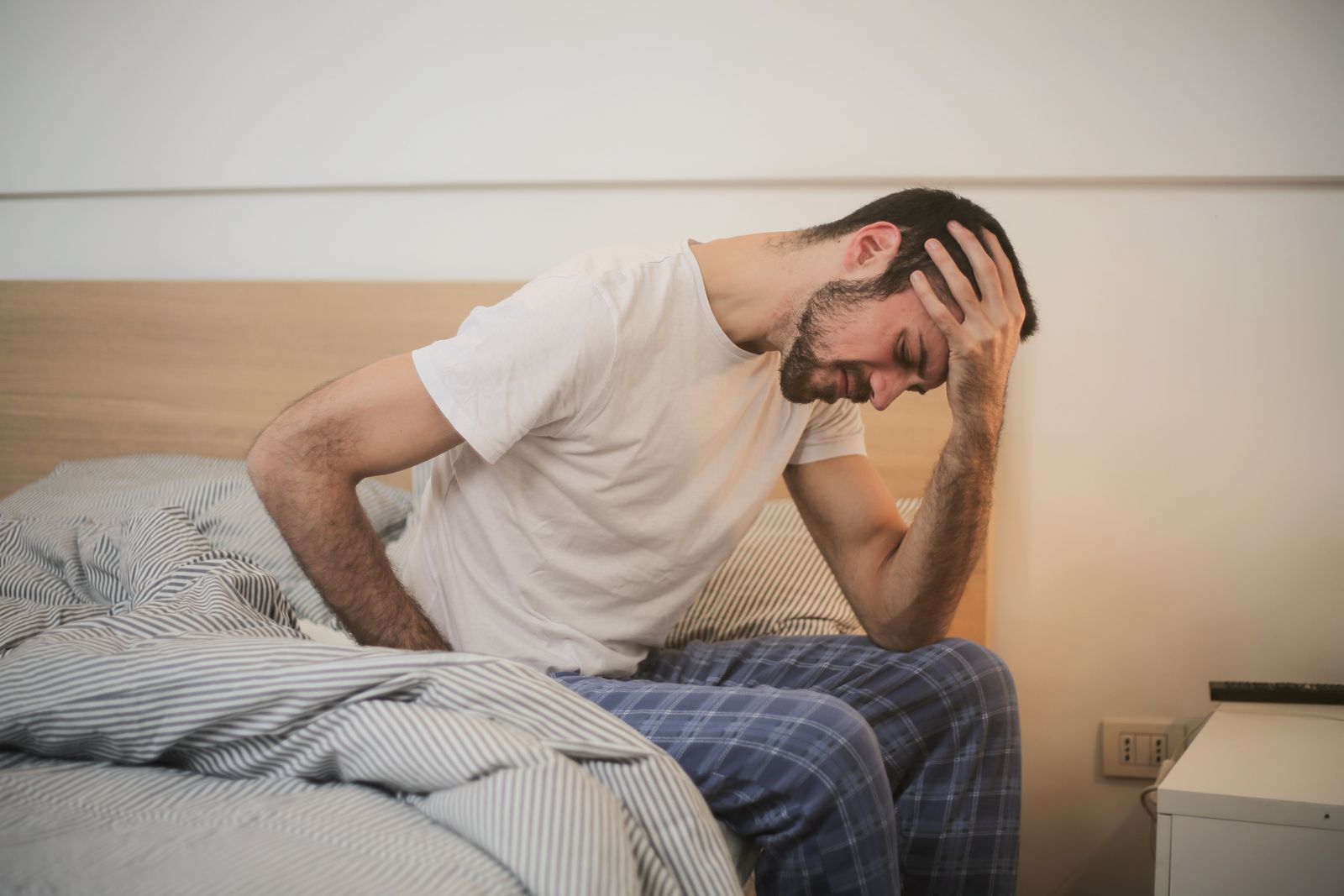
Photo by Andrea Piacquadio via Pexels
Is Any Dentist Open on Shabbat in Beit Shemesh?
The plain answer is almost never. Beit Shemesh and Ramat Beit Shemesh largely close for Shabbat, and that includes dental clinics. Ours is shut from before candle-lighting on Friday until after Shabbat goes out. Our regular hours are Sunday to Thursday 8:00 AM to 8:00 PM and Friday 8:00 AM to 2:00 PM. So if a tooth flares on Friday night or during the day on Shabbat, there generally isn't a local dentist you can walk into until Shabbat ends.
That doesn't mean you're stuck. For a true medical emergency there is always a hospital, which runs straight through Shabbat. For dental pain that can safely wait, the aim is to keep you comfortable for the hours in between and then get you seen quickly once Shabbat is out. We keep same-day slots open for exactly this. The Motzei Shabbat and Sunday-morning toothache is one of the most common calls we get.
When a Dental Problem on Shabbat Is a Real Emergency
Most toothaches are miserable but not dangerous, and they can wait a few hours. A few cannot. Go to a hospital emergency room straight away, on Shabbat or at any other time, if you have:
- Swelling spreading across your face, up toward the eye or down into the neck. Our guide to facial swelling from a tooth infection explains why this one matters.
- Any trouble breathing or swallowing, or a voice that suddenly sounds different.
- A high fever, chills, or feeling very unwell alongside a dental infection. Our guide to a tooth infection spreading covers the warning signs.
- Heavy bleeding from the mouth that won't stop with firm pressure.
- A serious injury to the jaw or face from a knock or a fall.
These are the signs that an infection or injury has stopped being a dental problem and become a medical one. In halacha, protecting life takes precedence over Shabbat, and a spreading infection near the airway can be exactly that kind of situation. If there is real doubt about whether it is that serious, the accepted approach is to act and get to a hospital rather than wait. For the halachic questions around less clear-cut dental pain on Shabbat, your rav is the right address. Our guide to telling a real emergency from one that can wait covers the line in more detail.
How to Get Through a Toothache Until Shabbat Ends
If what you have is ordinary tooth pain, throbbing and keeping you awake but with none of the warning signs above, the aim is simply to get you through the hours until a dentist is available. A few things genuinely help:
- Take a painkiller, and take it properly. For most dental pain ibuprofen works better than paracetamol, because it brings down the inflammation causing the throb. Whether and how to take medicine on Shabbat is itself a halachic question worth settling with your rav in advance, so you are not deciding it at two in the morning.
- Keep your head up. Lying flat sends more blood to the tooth and makes the throbbing worse, so prop yourself up on an extra pillow. Our guide to sleeping with a toothache has more.
- Cold on the outside of the cheek. A cold compress for fifteen to twenty minutes can dull the pain, especially if there is swelling. Don't put anything cold or hot directly on the tooth itself.
- Rinse gently with warm salt water. It cures nothing, but it soothes an irritated gum and clears food from a sore area.
- Don't put aspirin or neat clove oil on the gum. Held against the tissue it burns a chemical sore into the gum and never reaches the actual problem.
Our guides to what actually helps a toothache and a toothache that gets worse at night go through the doses and the rest in more detail.
A Knocked-Out or Broken Tooth on Shabbat
An injury is different from an ache, because some are on the clock. A permanent tooth that has been completely knocked out has the best chance of being saved if it goes back into place within about an hour, and that window does not pause for Shabbat. If a whole adult tooth comes out, from a fall or a knock, pick it up by the crown and not the root, and if you can, gently put it back in the socket and hold it there. If you can't, keep it in milk or tucked in the cheek, and get to a hospital emergency department that can see you.
Here again, a real chance of saving a tooth is the kind of thing that can override Shabbat, but the halachic call is one to make with your rav, ideally worked out before you ever need it. A tooth that is chipped or cracked but still firmly in place is rarely a same-hour emergency: save any pieces, keep off that side, and it can usually wait until Shabbat is out. Our guides to a knocked-out tooth and a broken front tooth walk through the first hour.
What to Do the Moment Shabbat Is Over
As soon as Shabbat ends you can call or send a WhatsApp; you don't have to wait for Sunday morning. We handle after-hours emergencies outside our regular hours, and a tooth that has kept you up all Shabbat is a good reason to be seen that evening rather than lose another night.
Here is the honest part: don't talk yourself out of it once the pain eases. A tooth that flared badly enough to ruin your Shabbat has usually told you something real is going on, and waiting to see whether it settles on its own is usually the more expensive choice, not the cheaper one. The crack or the infection behind it is still there on a quiet Sunday morning. Getting seen while it is still a small problem is what keeps it from turning into a bigger one. Send a photo when you message, take a painkiller if you're in pain and note the time you took it, and we'll tell you how soon to come in. Our guides to same-day tooth pain and the first ten minutes of a dental emergency cover what to expect.
Getting Seen in English in Beit Shemesh
If you've moved to the Beit Shemesh area and your Hebrew runs thin around nerve pain and swelling, you can do the whole visit in English here. Dr. Joel trained and qualified in the United States, so describing what happened over Shabbat, hearing the plan, and asking what you actually want to ask all happen in a language you're comfortable in. After a rough couple of nights, not having to translate for yourself is a real relief.
We're in Ramat Beit Shemesh and see patients from across the wider area, not only local residents, and you don't need to be registered with us in advance.
If a tooth has flared over Shabbat, call or WhatsApp us at 055-985-8845 the moment it's out, and send a photo if you can. We'll tell you how soon to come in, give you the cost before anything starts, and if it's something that can safely wait for a routine visit, we'll say so rather than rush you in. We're in Ramat Beit Shemesh, open Sunday to Thursday 8:00 AM to 8:00 PM and Friday 8:00 AM to 2:00 PM, with after-hours emergency treatment outside those hours. Our emergency dentist, same-day treatment, and dental first-aid pages explain how we handle urgent visits.
For guidance from sources with nothing to sell, the ADA's MouthHealthy explains what counts as a dental emergency, and the American Association of Endodontists covers the symptoms behind tooth pain and what to do about a knocked-out tooth.
Still not sure? Message us.
Send Dr. Gabriel Joel, DMD a quick description of what's going on and we'll point you in the right direction.
Message on WhatsApp