
Can I Be Seen the Same Day for Tooth Pain? Usually, Yes
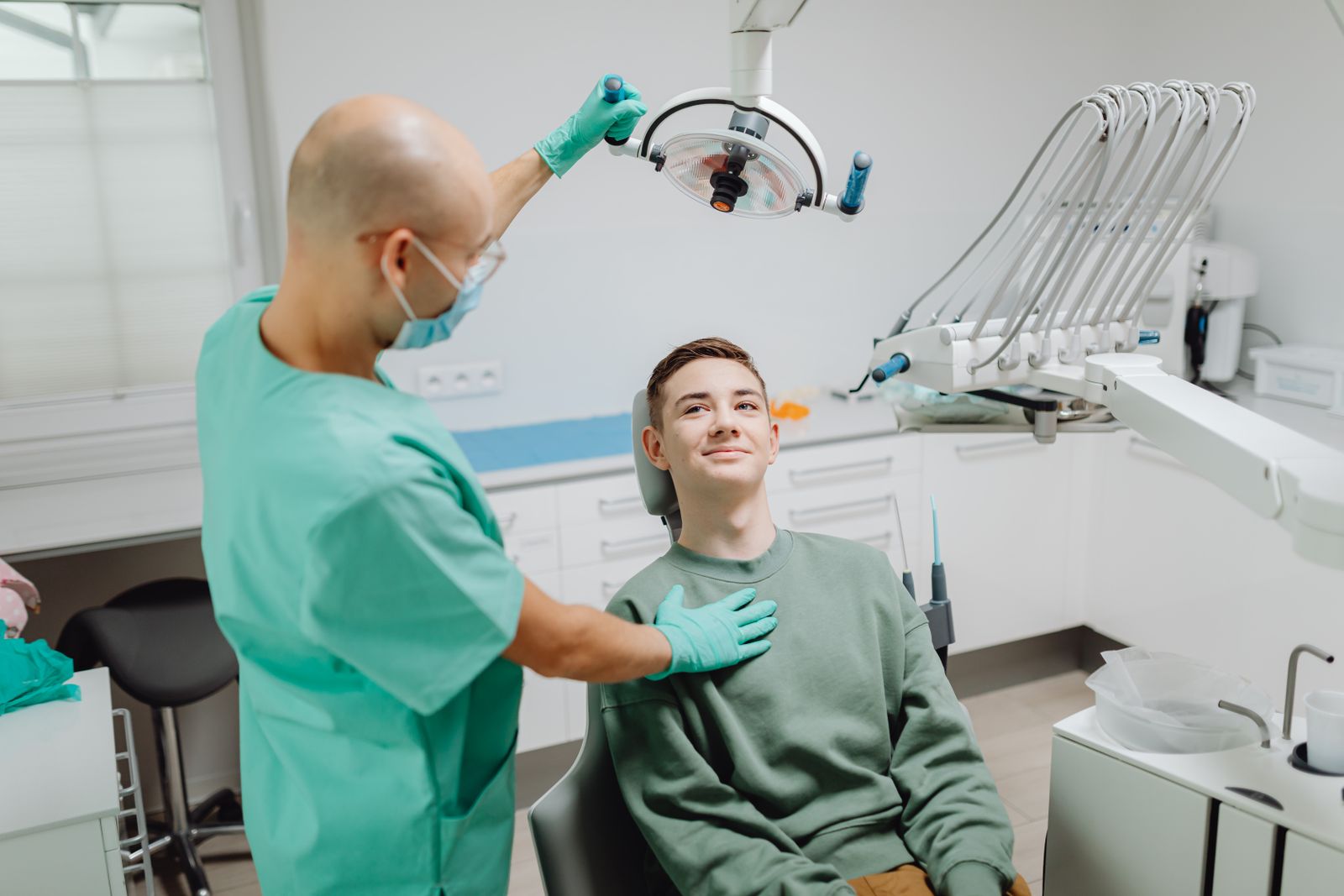
Photo by Kaboompics.com via Pexels
How Same-Day Appointments Actually Work
A practice that treats emergencies does not book every slot in advance. Some are kept open each day precisely for people who wake up with a tooth that wasn't hurting yesterday. That is why you can call at 9am and be seen by lunchtime, even without a standing appointment.
When you call or WhatsApp with tooth pain, a few things happen:
- You describe what's going on. How long it's hurt, how bad it is, whether there's swelling, whether anything sets it off. A photo helps, and you can send one over WhatsApp before you come in.
- You get triaged. Severe pain, a swelling, or a knocked or broken tooth is moved to the front. A dull ache that's been grumbling for a week is still seen the same day where possible, just not necessarily ahead of someone in acute pain.
- You're given a time. Usually later that same day. If you contact us outside opening hours with a real emergency, there is after-hours emergency treatment.
The point of calling early is simple: the earlier in the day you reach out, the more of that day's slots are still open. Waiting until 6pm to call about pain that started at 8am narrows the options for everyone.
What to Do While You Wait for the Appointment
Same day still means a few hours, and those hours are more bearable if you manage the pain properly. None of this fixes the tooth, but it takes the edge off until you're seen.
- Take an over-the-counter painkiller. For most dental pain, ibuprofen works better than paracetamol because the pain is driven by inflammation, and the two can be combined if one alone isn't enough. Our guide to what actually helps a toothache covers the doses and the combination.
- Rinse with warm salt water. A teaspoon of salt in a glass of warm water, swished gently, helps calm an irritated gum.
- Hold a cold compress against the outside of your cheek if there's any swelling. Twenty minutes on, twenty off.
- Keep off it. Chew on the other side, and avoid very hot, cold, or sweet things if they set the pain off.
- Sleep propped up if the pain is worse at night, which it often is. Our guide to sleeping with a toothache and the reasons pain gets worse after dark both help.
What not to do: don't hold an aspirin against the gum, which burns the tissue, and don't rely on a leftover course of antibiotics to make the problem go away. Antibiotics don't fix a tooth, as our guide to antibiotics alone for a tooth infection explains.
When Tooth Pain Needs Seeing Today, Not Next Week
Some tooth pain genuinely needs same-day care, and some can wait for a routine slot. The pain itself is a fair guide, but a few signs push it firmly into the today column:
- Swelling in the gum, cheek, or jaw, which points to an infection that is spreading.
- Pain that keeps you awake or won't settle with painkillers.
- Pain plus a fever or feeling generally unwell.
- A bad taste or discharge near a tooth, a sign of a draining abscess.
- Pain after a knock, or a tooth that's cracked, broken, or loose.
What can usually wait a little longer, though still worth booking soon, is a mild twinge to cold that passes in a second or two, or a low-grade ache that's been steady for months without getting worse. Even those shouldn't be ignored for long, but they don't need you clearing your afternoon. Our guide to telling a real dental emergency from one that can wait walks through the difference in detail.
Here is the honest part, and it applies to almost every tooth: waiting to see if the pain settles is usually the more expensive choice. A tooth seen the day it starts hurting is often a straightforward fix. The same tooth left for a fortnight lets the infection reach the nerve, and a filling becomes a root canal, sometimes a tooth abscess. The early visit is the cheap one.
What Happens at a Same-Day Pain Visit
People sometimes put off calling because they picture the whole treatment happening in one long, unpleasant sitting. That's not usually how it goes. The first same-day visit is mostly about finding out what's wrong and getting you out of pain.
- The dentist finds the tooth. A look, a few taps, sometimes a cold test, and an X-ray to see what's happening below the gum.
- You get the pain sorted. Depending on the cause, that might be draining an infection, starting a root canal to take the pressure off the nerve, a temporary dressing, or the tooth removed if it can't be saved.
- You hear the plan and the cost first. Nothing beyond settling the emergency happens without you knowing what it is and what it costs. We don't publish a single price for this, because the fix depends on the tooth, but you're told before anything starts.
Not everything is finished on day one, and it doesn't need to be. Getting you comfortable and stopping the problem getting worse is the job of the first visit.
Getting Seen in Beit Shemesh, in English
If you've moved to the Beit Shemesh area and the thought of describing throbbing nerve pain in Hebrew is its own small stress, you can be seen and treated in English here. Dr. Joel trained and qualified in the United States, so the whole appointment, from you explaining what hurts to hearing what needs doing, happens in a language you're comfortable in. That matters more than it sounds when you're already in pain.
We're in Ramat Beit Shemesh and see patients from across the wider area, not only local residents. You don't need to be registered with us in advance to be seen for pain.
When It's a Hospital, Not a Dentist
Almost all tooth pain is a dentist's job, and a same-day appointment is the right call. But a few situations need a hospital emergency room first, not a dental clinic. Go there if there is:
- Swelling that is closing your eye, spreading down your neck, or making it hard to swallow or breathe.
- A fever with a fast-spreading facial swelling, which can signal an infection that has become dangerous.
- Tooth pain after a serious accident with a possible broken jaw, or a head injury with confusion, vomiting, or loss of consciousness.
Those are rare, but they can't wait for a dental slot. Get the emergency room to deal with the immediate danger first; the tooth itself can be treated once you're stable.
If you have tooth pain and want to be seen today, call or WhatsApp 055-985-8845 and send a photo if you can. We'll tell you how quickly you need to come in, and if it's something that can safely wait for a routine visit, we'll say so rather than rush you in. We're in Ramat Beit Shemesh, open Sunday to Thursday 8:00 AM to 8:00 PM and Friday 8:00 AM to 2:00 PM, with after-hours emergency treatment outside those hours. Our same-day treatment and emergency dentist pages explain how we handle urgent tooth pain, and our guide to what an emergency visit costs covers the money side.
For guidance from sources with nothing to sell, the ADA's MouthHealthy explains what counts as a dental emergency, and the American Association of Endodontists covers the dental symptoms behind tooth pain in more detail.
Still not sure? Message us.
Send Dr. Gabriel Joel, DMD a quick description of what's going on and we'll point you in the right direction.
Message on WhatsApp