
Root Canal Restoration: Rebuilding the Tooth After Treatment
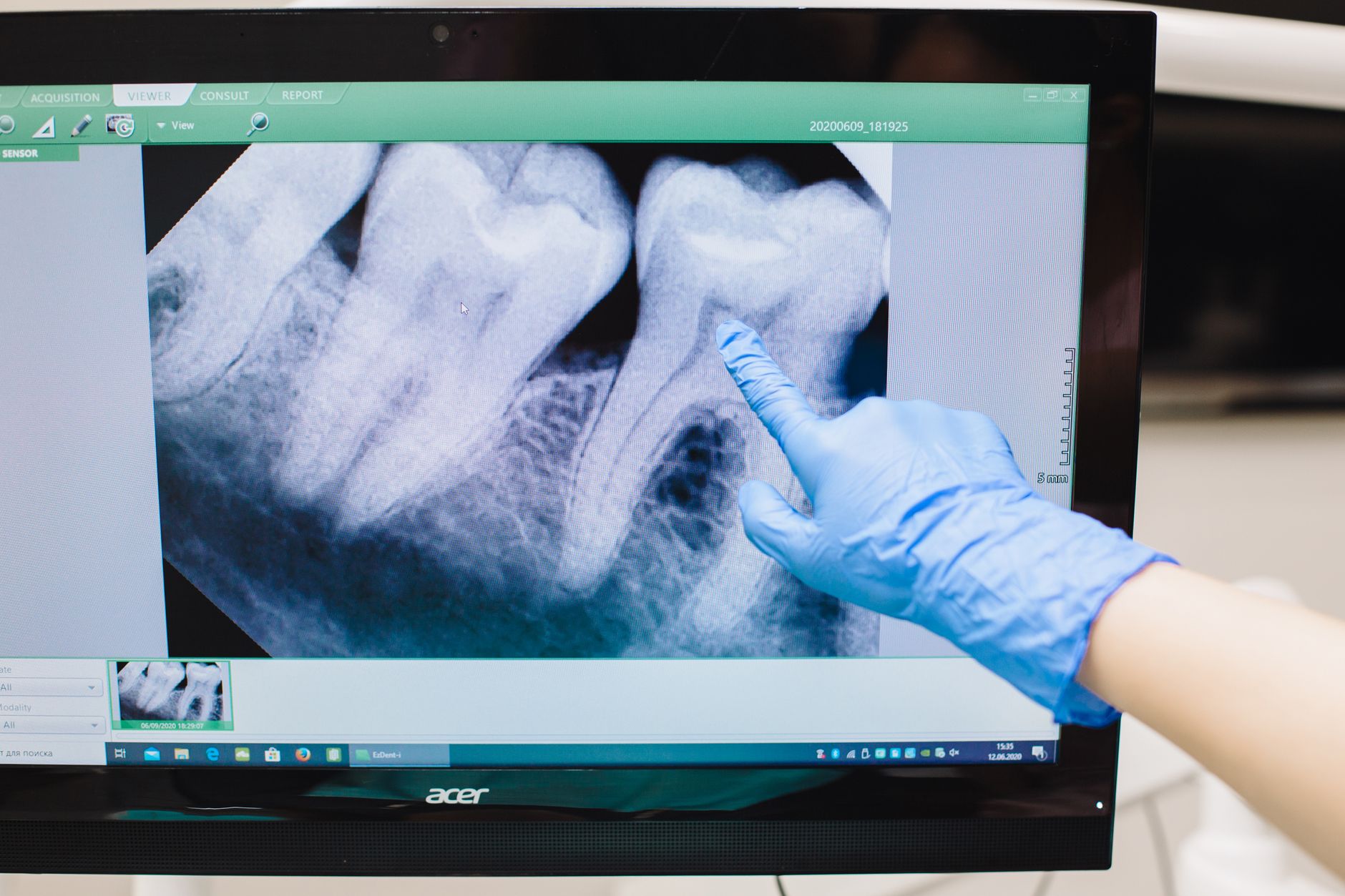
Photo by Polina Zimmerman via Pexels
Why the Tooth Isn't Finished When the Canals Are Cleaned
A root canal has two halves that people tend to blur together. The first half clears the infected or dead nerve out of the canals and disinfects them. That's the part that gets you out of pain. The second half, the restoration, rebuilds the tooth so it can go back to chewing and keep the sealed canals sealed.
The reason the second half matters is straightforward. To reach the canals, the dentist drills an access hole through the top of the tooth, and a tooth that's needed a root canal has usually already lost structure to decay or a crack. What's left is thinner and more brittle than a healthy tooth, because it no longer has a living blood supply. Left open or under a flimsy temporary, it cracks under a normal bite, or bacteria seep back down into the canals and the infection returns. The root canal procedure step by step walks through both halves in order.
The Three Ways a Tooth Gets Restored
Which restoration a tooth needs depends on how much of it is left. There are three levels, and a dentist picks the one that matches the tooth in front of them.
- A filling. If most of the tooth's own structure is still there, the access hole and any decay are sealed with a solid, permanent filling. This is common on front teeth and on back teeth that were caught early.
- A post and core (build-up). When too little tooth is left to hold a filling or a crown on its own, the dentist cements a post into one of the cleaned canals and builds up a solid core of filling material around it. The crown then sits on that. What a post and core does after a root canal covers when it's needed.
- A crown. A cap that covers the whole tooth and holds it together against the force of chewing. Back teeth almost always need one; front teeth often don't. Why a crown goes on after a root canal explains the reasoning.
Most back teeth end up with some combination: a build-up if needed, then a crown. Many front teeth need nothing more than a good filling.
Front Tooth or Back Tooth Changes the Answer
The single biggest factor in what your tooth needs is where it sits in your mouth.
Back teeth (molars and premolars) do the heavy grinding, and a root-canal-treated molar without a crown is one of the most common teeth to crack straight down the middle, sometimes past saving. On a molar, the crown isn't optional dressing, it's what keeps the tooth in one piece.
Front teeth take far less force, and one that still has most of its structure can often be restored with a filling alone. When a root canal can skip the crown covers exactly which teeth qualify, and how the root canal and crown fit together shows the full sequence for the teeth that do need one.
How Soon the Restoration Needs to Happen
After the canals are sealed, the tooth is often left under a temporary filling for a short while, especially if the treatment ran across two visits. A temporary is exactly that. It isn't built to last, and it wears down or leaks within weeks.
This is where waiting quietly costs people teeth. A tooth left under a temporary for months, or with no crown on a molar that needed one, is a tooth waiting to crack or reinfect. Waiting to see if it's fine is usually the more expensive choice, because a cracked root-canal-treated tooth often can't be saved a second time and ends up extracted. Ask your dentist how long you can safely wait for the permanent restoration, and book it inside that window rather than leaving it open-ended. What happens when you delay a root canal runs through the same logic on the treatment side.
If a restored tooth later starts hurting or the filling feels off, that's worth a look rather than a wait. Pain after a filling covers what's normal and what isn't, and a restoration that's leaking can sometimes be fixed before it turns into a full retreatment.
When to Come In, and When It Can Wait
Not every question about a restoration is urgent. A crown that's been on for years and feels fine doesn't need checking just because you read about it. A recently placed permanent filling that's a little sensitive to cold for a few days is usually settling, not failing.
Come in without waiting if:
- A temporary or permanent filling has fallen out and the tooth is open.
- A crown has come off, or the tooth under it aches or throbs.
- There's swelling, a bad taste, or a pimple-like bump on the gum near a treated tooth, which points to the infection coming back.
- A treated tooth suddenly hurts to bite on, which can mean a crack.
And the one that isn't a dental appointment at all: swelling spreading toward your eye or down your neck, or any trouble breathing or swallowing. That's a hospital emergency room, not a dental chair. Go straight to the ER. For the ordinary restoration problems, a root canal in Ramat Beit Shemesh and its restoration are routine, and catching a loose crown or a leaking filling early is far cheaper than dealing with the reinfection it leads to. Signs a root canal went well covers what a healthy treated tooth should feel like.
If a root-canal-treated tooth needs restoring, or a filling or crown has failed, don't leave it open. Call or message us on WhatsApp at 055-985-8845. We're open Sunday to Thursday 8:00 AM to 8:00 PM and Friday 9:00 AM to 5:00 PM, with after-hours emergency treatment outside those hours, and we handle root canal treatment in Ramat Beit Shemesh. We'll tell you what the tooth needs to last, and in what order.
For background from sources with nothing to sell, the American Association of Endodontists explains how root canal treatment works, and the ADA's MouthHealthy covers what root canal treatment involves.
Common questions
What is a root canal restoration?
Do I always need a crown after a root canal?
How long can I leave a temporary filling after a root canal?
What is a post and core?
Can a restored root-canal tooth get infected again?
What happens if I don't restore the tooth after a root canal?
Still not sure? Message us.
Send Dr. Gabriel Joel, DMD a quick description of what's going on and we'll point you in the right direction.
Message on WhatsAppDentist in Beit Shemesh — our dental clinic