
Can a Root Canal Be Redone? Yes, and When It Is Worth It
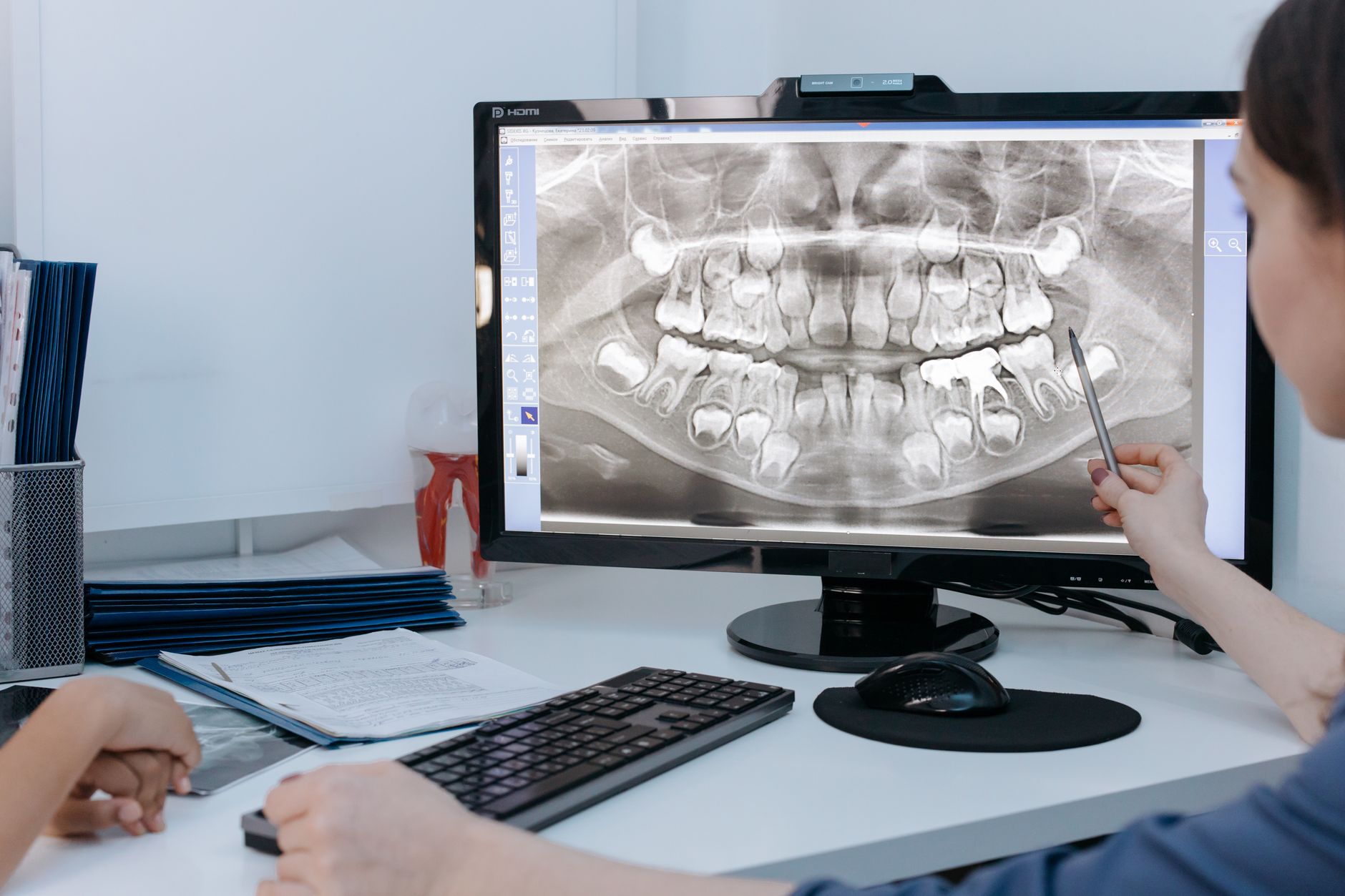
Photo by cottonbro studio via Pexels
What redoing a root canal involves
The dentist reopens the tooth, takes out the crown or the filling on top if needed, and removes the old root filling material from the canals (the narrow channels where the nerve used to be). Each canal is then cleaned and disinfected, and any that were missed the first time are found. The tooth is sealed and rebuilt.
It takes about the same effort as the first root canal, sometimes a little more, because getting the old material out is slow work. It is done under local anaesthetic. Our longer guide to root canal retreatment goes through the steps.
When redoing it makes sense
Retreatment is usually worth trying when three things are true:
- The root is intact, with no crack running down it.
- There is enough solid tooth above the gum to hold a new crown or filling.
- The reason for the failure can be fixed. A missed canal can be found. A leaking crown can be replaced.
The usual reasons a first root canal fails are a canal that was not cleaned, or a seal on top that leaked and let bacteria back in. We cover the common ones in why root canals fail. Both are fixable more often than people expect.
When it should not be redone
Sometimes the answer is no, and it is better to hear that early.
- A cracked root. A vertical crack cannot be sealed from the inside. Redoing the canal treats an infection that will come straight back.
- Not enough tooth left. If decay or a break has taken the tooth down to the gum, there is nothing to hold a restoration.
- A tooth that was not worth saving to begin with. This is a judgement call, and sometimes a lost tooth and an implant is the cleaner path.
If you are weighing it up, retreatment versus pulling the tooth sets out how that decision is made, and our implant page covers the replacement route.
How to tell if yours needs redoing
A root-canalled tooth has no nerve, so it will not always tell you. The signs to watch for are:
- Pain on biting that comes back after a quiet period
- A bump on the gum that drains, then fills again
- Swelling near the tooth, or a bad taste that will not clear
- A dark area around the root on an X-ray, with no symptoms at all
Some soreness in the first few days after a root canal is normal, and that is not a reason to redo anything. Soreness that is still there, or growing, after that is a reason to have it looked at. There is more on what an infection in a treated tooth looks like in can a root canal get infected.
Redoing a root canal in Beit Shemesh
Most people who come to us with this have already had the first root canal somewhere else, sometimes years ago, and hoped it was finished. The first thing we do is an X-ray and a proper look at the old treatment. It helps to bring any earlier X-rays you have, but you do not need them to be seen.
Dr. Joel is a general dentist, DMD, trained in the US and practising in Beit Shemesh since he made aliyah in 2014, and he treats in English and Hebrew. That matters on a night when you are trying to describe exactly where a tooth hurts. We keep same-day slots for tooth pain, and Shabbat is reserved for genuine emergencies. If you want the page for the treatment itself, it is root canal retreatment in Beit Shemesh.
When not to come to us
If the swelling is spreading across your face or down your neck, you have a fever, or it is getting hard to swallow or breathe, go to a hospital emergency room, not a dental chair. The same applies if you cannot open your mouth. A tooth that is merely sore, with no swelling, can wait for a proper appointment. Read the American Association of Endodontists guide to root canal treatment or the ADA MouthHealthy page on root canals if you want a second source.
If a root-canalled tooth hurts, swells or has a bump on the gum, call or WhatsApp Urgent Dental Care in Beit Shemesh on 055-985-8845. Tell us when the root canal was done and what the tooth is doing now.
Common questions
Can a root canal be redone more than once?
How long after a root canal can it be redone?
Is redoing a root canal more painful than the first one?
Is retreatment better than pulling the tooth?
Do I need a new crown after the root canal is redone?
Can I get a root canal redone the same day in Beit Shemesh?
Still not sure? Message us.
Send Dr. Gabriel Joel, DMD a quick description of what's going on and we'll point you in the right direction.
Message on WhatsAppDentist in Beit Shemesh — our dental clinic