
Root Canal Myths vs Facts: What's True and What Isn't
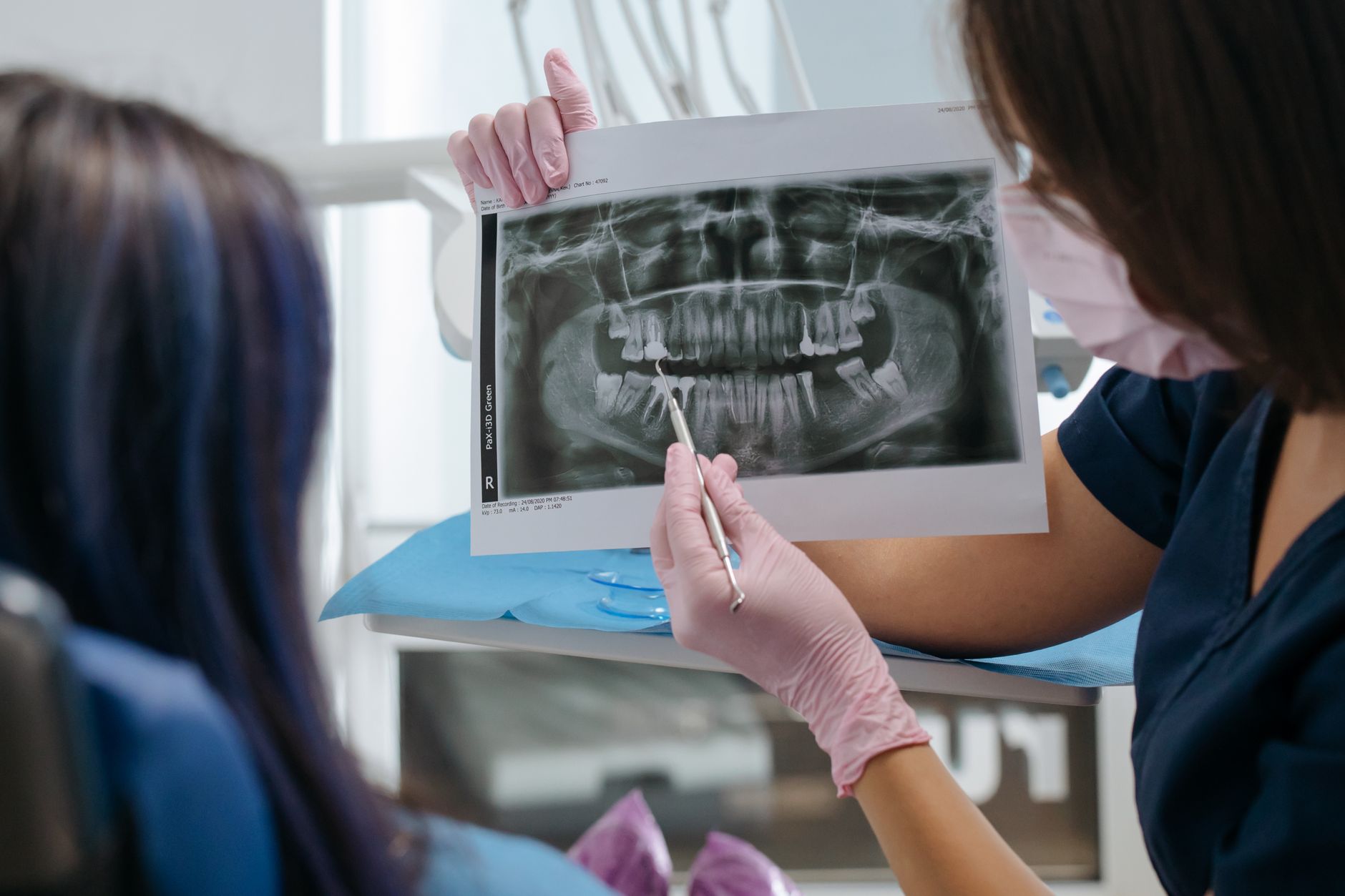
Photo by cottonbro studio via Pexels
Myth: A Root Canal Is Agonizing
This is the big one, and it's outdated. The reputation comes from a time before modern anesthetic, when the procedure genuinely was rough. Today the tooth and the gum around it are fully numbed first, and most people feel pressure and vibration during the treatment, not sharp pain.
The pain people tie to root canals is almost always the infection that sends them in, not the treatment that clears it. A tooth with an inflamed or dying nerve can throb for days, and the root canal is what stops that. One patient we treated, whose own mother is a dentist, asked us to pass on her thanks afterward because she had braced for the worst and it never came; her mother saw the photos from the procedure and was impressed with the work. If you can still feel a sharp edge at any point, the dentist adds more anesthetic before carrying on. Whether a root canal is really painful goes deeper, and what the numbing actually feels like covers the anesthetic itself.
Myth: Root Canals Make You Ill
You will find videos claiming a root-canal-treated tooth leaks bacteria that cause cancer, heart disease, or chronic illness. This traces back to research from the 1920s that was discredited decades ago, built on methods no lab would accept today. There is no sound evidence that a properly done root canal causes disease elsewhere in the body.
What a root canal actually does is remove infection, the very thing you would want gone. Leaving an infected tooth in place is the real risk, because that infection can spread into the surrounding bone. Why some dentists online call root canals bad unpacks where the claim comes from, and the actual risks of a root canal covers the real, small ones. The American Association of Endodontists has reviewed the safety of root canal treatment and found no valid link to illness.
Myth: It's Better to Just Pull the Tooth
Pulling a tooth is quicker and cheaper on the day. It's rarely the better call. Nothing works quite like your own tooth, and the gap an extraction leaves has costs that show up later, as neighbouring teeth drift and a bridge or implant to fill the space runs well past what the root canal would have.
An extraction is the right answer only when a tooth is genuinely past saving, and most infected teeth aren't. Root canal versus extraction weighs both sides, and how a dentist tells a savable tooth from one that isn't covers how that call gets made with an X-ray in front of you, not assumed in advance.
Myth: A Root Canal Won't Last Anyway
A well-done root canal on a tooth that's properly restored can last for decades, often for the rest of your life. The treatments that fail tend to have something in common: the tooth was never crowned when it needed one, or the permanent filling was left as a temporary for months and leaked.
The restoration is half the job. A back tooth almost always needs a crown to hold it together against chewing, while many front teeth do fine with a filling. Why a crown goes on after a root canal explains which teeth need one, and what a root canal that went well feels like covers how to tell it's holding.
What's Actually True, and When to Come In
Strip the myths away and the facts are dull, which is the point. A root canal relieves pain, it doesn't cause illness, it saves a tooth worth keeping, and it lasts when it's restored properly. None of that is dramatic enough for a viral video.
Come in without waiting if a tooth is throbbing, keeping you up at night, or sensitive to heat and pressure in a way that lingers. Waiting to see if it settles is usually the more expensive choice, because a tooth that could have been saved can drift into one that has to come out. What happens when you delay a root canal runs through that timeline.
Two things that aren't a root canal question at all. If you have swelling spreading toward your eye or down your neck, a fever with facial swelling, or any trouble breathing or swallowing, that's a hospital emergency room, not a dental chair. Go straight to the ER. And if you have no symptoms and you're worried only because of something you watched online, you don't need an emergency appointment to talk it through; a routine visit is the place for that.
If a tooth is in pain and the myths have you second-guessing whether to get it seen, don't let them. Call or message us on WhatsApp at 055-985-8845. We're open Sunday to Thursday 8:00 AM to 8:00 PM and Friday 9:00 AM to 5:00 PM, with after-hours emergency treatment outside those hours, and we handle root canal treatment in Ramat Beit Shemesh and emergency dental care. We'll tell you honestly what the tooth needs.
For background from sources with nothing to sell, the American Association of Endodontists explains how root canal treatment works, and the ADA's MouthHealthy covers what to expect from a root canal.
Common questions
Is a root canal as painful as people say?
Can a root canal really make you sick?
Is it better to pull a tooth than have a root canal?
How long does a root canal last?
Why do some dentists online say root canals are bad?
Do I need a crown after a root canal?
Still not sure? Message us.
Send Dr. Gabriel Joel, DMD a quick description of what's going on and we'll point you in the right direction.
Message on WhatsAppDentist in Beit Shemesh — our dental clinic