
Is a Root Canal Safe? The Real Risks, and When to Worry
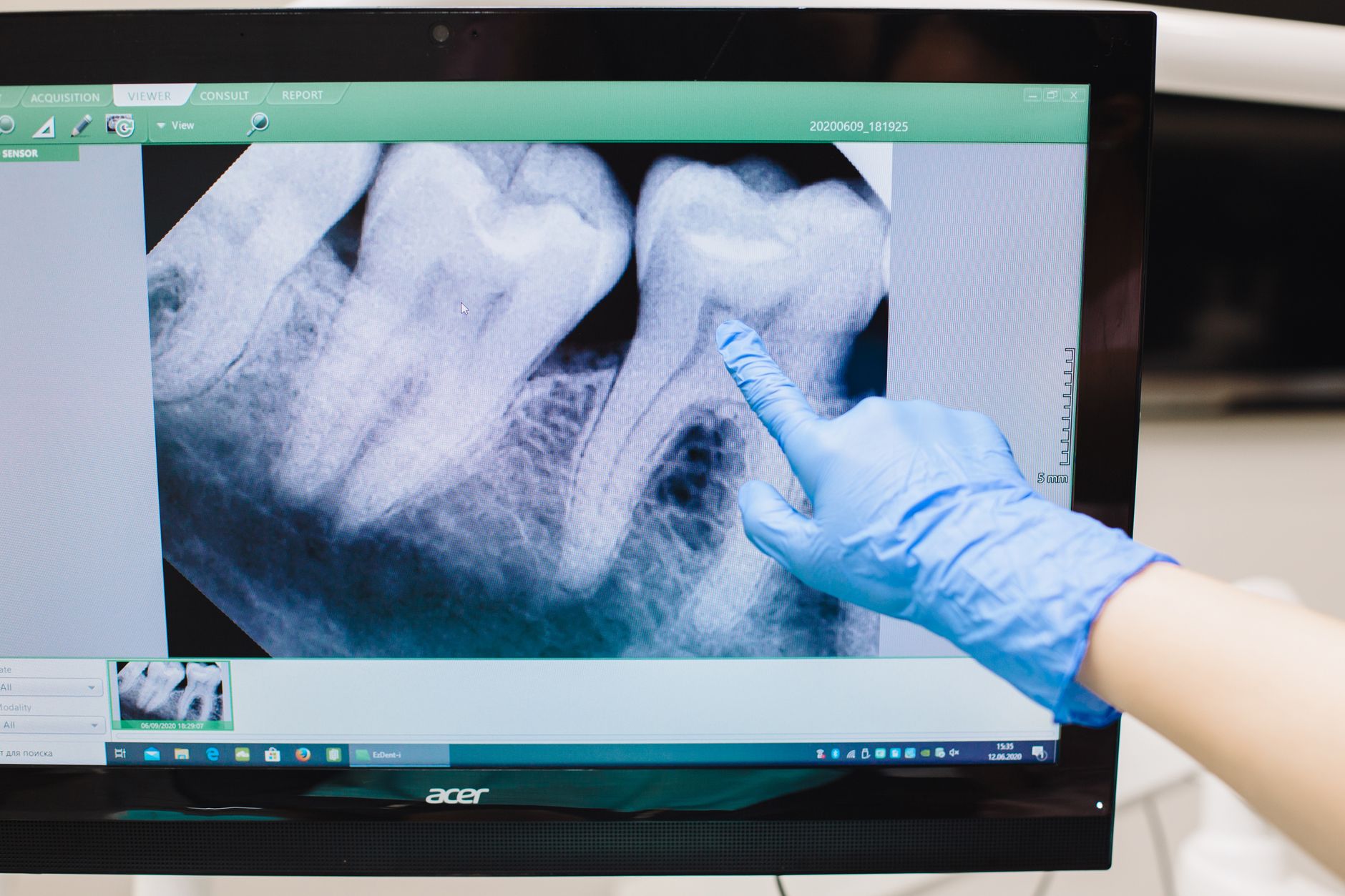
Photo by Polina Zimmerman via Pexels
How safe a root canal actually is
A root canal treats a tooth whose inner nerve (the pulp) has become infected or inflamed. Instead of pulling the tooth, we clean out the infected tissue, disinfect the space inside, and seal it. It is one of the most predictable treatments in dentistry, which is why it is taught as a standard part of training rather than kept as a last resort.
The reassuring part is what the treatment is for. An infected tooth left alone is the real danger here, because the infection can spread into the bone, the gum, and occasionally beyond. A root canal removes that source. So the honest framing is not root canal versus no risk at all, it is root canal versus a spreading infection, and the treatment is the safer side of that.
The real risks, and how likely they are
These are the risks that genuinely exist, in plain terms:
- The infection is not fully cleared. Teeth have narrow, sometimes curved canals, and occasionally one is missed or some bacteria survive. This is the most common reason a root canal fails, and the fix is usually retreatment rather than losing the tooth.
- The tooth fractures later. A treated tooth is more brittle than a healthy one, especially a back tooth doing heavy chewing. That is why a crown is usually recommended afterwards, and why the crown matters as much as the root canal itself.
- A temporary flare-up. Some tenderness for a day or two while the area settles is normal. A true flare-up with swelling is less common, and it is treatable.
- A separated instrument. The fine files used to clean the canal can, rarely, break and leave a small fragment inside. Most of the time this does not change the outcome and the tooth stays fine.
- Numbness on lower back teeth. The nerve that gives feeling to the lip sits close to the lower molars, so lasting numbness is a known but uncommon risk. Sealer extending slightly beyond the root tip is another rare one.
Notice what is not on that list: cancer, disease elsewhere in the body, or a treated tooth quietly poisoning you. Those are not risks. They are the myth from a debunked 1920s theory that keeps circulating online.
What keeps the risks low
Most of the risks above come down to how carefully the tooth is diagnosed and treated. A few things make a real difference:
- An X-ray before starting. It shows the shape and number of canals, so fewer get missed, and whether the tooth is worth saving in the first place.
- Magnification and good lighting. Finding and cleaning every canal is easier when you can actually see them.
- A crown when the tooth needs one. Protecting a back tooth from fracture is often the difference between a root canal that lasts and one that fails.
- Not forcing a tooth that cannot be saved. Half of doing this safely is knowing when a root canal is the wrong tool, which is the next part.
Waiting to see whether an infected tooth settles on its own is usually the more expensive choice, and with a live infection it is the riskier one too. The infection does not clear up by itself, and the longer it sits, the more of the surrounding bone it can take with it.
When a root canal is not the safe choice
Sometimes the safer decision is not to do the root canal at all. If a tooth is cracked below the gum line, too broken down to rebuild, or has an old failed root canal that cannot realistically be redone, trying to save it can mean spending money on a tooth that will not hold. In those cases extraction is the better call, and we will tell you so rather than talk you into treatment you do not need.
Some things belong in a hospital, not a dental chair. If you already have facial swelling that is spreading toward your eye or down your neck, trouble breathing or swallowing, or a high fever with chills, that is a medical emergency. Go to an emergency room now, not to us. A root canal is planned care for an infected tooth, not the answer to an infection that has already spread past it.
What to do if you are weighing it up
Have the tooth looked at rather than deciding from a search result. An exam and an X-ray show whether the nerve is genuinely infected, whether a root canal is actually necessary, and whether the tooth is worth keeping. Most of the dread people bring in is about the procedure hurting, which is far less of an ordeal than its reputation. The infection is what causes the pain, and the treatment is what takes it away.
If you want to be sure before a permanent decision, ask for a second opinion. A tooth you keep is with you for a long time, and it is reasonable to want more than one set of eyes on it.
If a tooth is hurting and you want a straight answer about whether a root canal is safe for your situation, call or message us on WhatsApp at 055-985-8845. We are open Sunday to Thursday 8:00 AM to 8:00 PM and Friday 9:00 AM to 5:00 PM, with after-hours emergency treatment outside those hours. Tell us what is going on and we will tell you plainly whether the tooth needs a root canal, an extraction, or nothing at all.
For sources that are not trying to sell you anything, the American Association of Endodontists sets out the safety and success of treatment on its page about root canal safety and myths, and the ADA's MouthHealthy has a plain overview of what a root canal involves.
Common questions
Is a root canal safe?
What are the real risks of a root canal?
Do root canals cause illness elsewhere in the body?
Is it safer to pull the tooth than have a root canal?
How long is recovery after a root canal?
Still not sure? Message us.
Send Dr. Gabriel Joel, DMD a quick description of what's going on and we'll point you in the right direction.
Message on WhatsAppDentist in Beit Shemesh — our dental clinic