
Can a Root Canal Cause Ear Pain? What's Normal and What Isn't
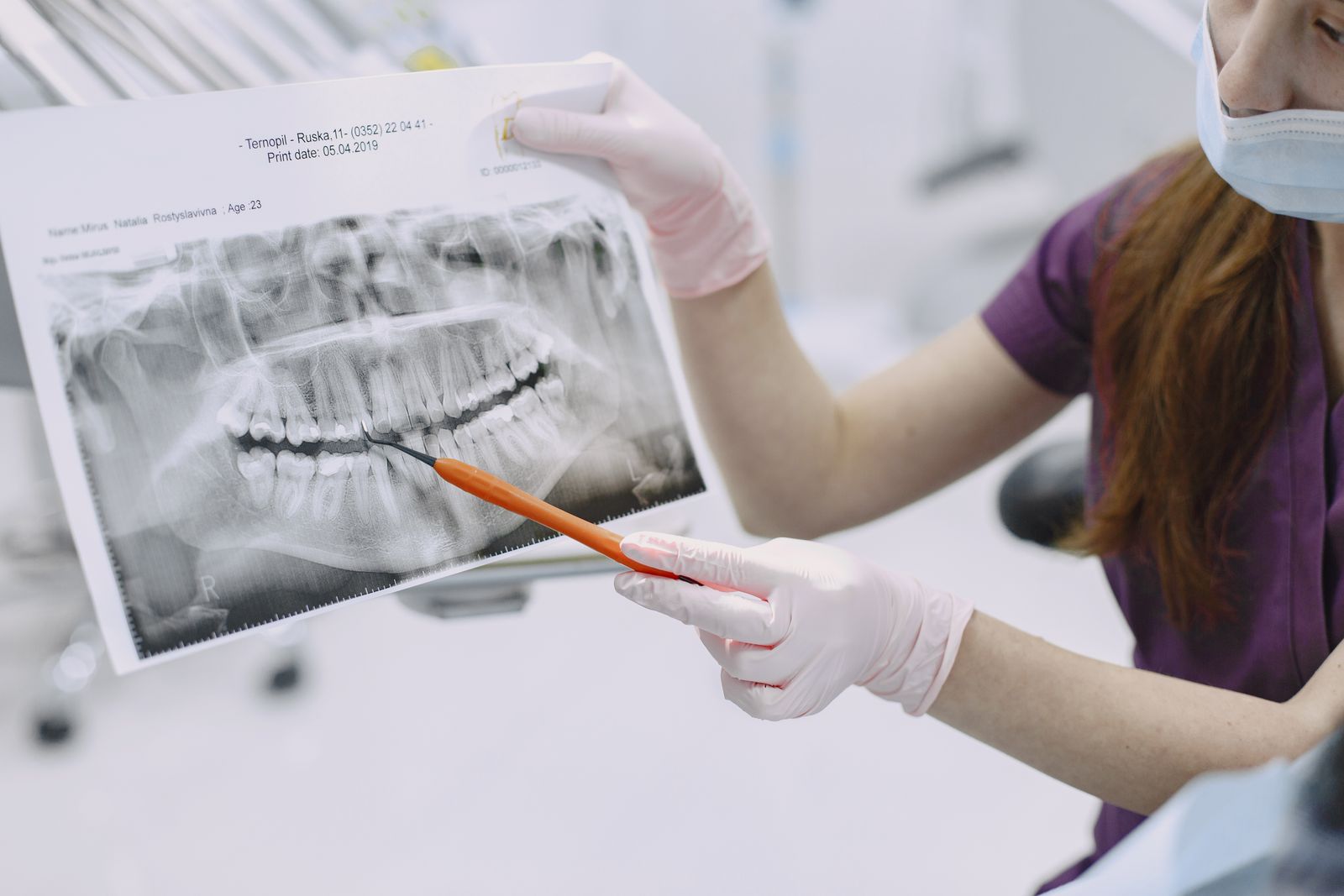
Photo by Gustavo Fring via Pexels
Why a tooth can hurt in your ear
The lower teeth, and the jaw joint just in front of the ear, are supplied by the same large nerve. If the headache started after a root canal, see our guide to headaches after a root canal. The brain is not precise about where a signal starts, so pain from a lower back tooth is often reported as ear pain. Doctors call this referred pain.
It is the reason many people see a GP or an ear specialist first, are told the ear looks fine, and only then think of the tooth. Ear pain with a normal-looking ear and a heavy back molar is a fairly typical pattern.
Why it can happen after a root canal specifically
- The tooth is still settling. The tissue around the root is irritated by the infection and by the treatment itself, and it takes a few days to calm down. Referred ear ache can ride along with that.
- Your jaw did a long shift. You held your mouth open for a while, and the jaw muscles and joint can ache afterwards, sometimes right in front of the ear.
- The bite is slightly high. A new filling or temporary can sit a fraction too tall, so that tooth hits first and the whole side of the jaw works harder.
- Infection that has not cleared. This is the one that matters, and it usually comes with other signs, listed below.
What is normal, and for how long
Tenderness when you bite, a dull ache in the tooth, and a vague ache on the same side of the face are all expected for the first few days. It should be easing by the second or third day, and you should be able to manage it with the painkiller your dentist suggested. If you are unsure what is safe to eat while it settles, our guide to eating after a root canal covers it.
Most people who come to us with this have already been through one night of it and hoped that was the end. Often it was. The pattern to watch is direction: better each day is fine, flat or worse is not.
Signs it is not just referred ache
- Pain that is getting stronger after day three, not weaker
- Swelling in the gum, cheek or under the jaw
- A bad taste or a pimple-like bump on the gum
- Fever, or feeling generally unwell
- Pain that wakes you at night, or a tooth that hurts to the lightest touch
Any of these means the tooth should be looked at, usually with an X-ray. Our article on a tooth that still hurts after a root canal goes through what a dentist checks.
Go to a hospital emergency department rather than a dental clinic if swelling is spreading toward the eye or neck, you struggle to swallow or breathe, or you cannot open your mouth. That is not a booking question.
Ear pain when it was never the tooth
Sometimes the tooth is innocent. A real ear infection, a sinus problem, or clenching and grinding at night can all give the same ache, and a treated tooth is simply the thing you now blame. If the tooth feels fine when you bite and tap it, but the ear is blocked, hot or discharging, start with a GP. Our page on ear pain from a tooth explains how to tell the difference.
Root canal ear pain in Beit Shemesh: what to do tonight
Take only the painkiller you were told to take, at the dose on the packet, and keep the tooth off hard food. Note which side the ear ache is on and whether the tooth hurts to bite, because that is the first thing we will ask.
Dr. Joel treats in English and Hebrew, so you can describe it precisely rather than approximately. Same-day appointments are possible at the Beit Shemesh clinic, Sunday to Thursday, 08:00 to 20:00. Shabbat is for genuine emergencies only, and a dull ear ache is not one; swelling or severe pain is. If you are waiting on a root canal, see our root canal treatment in Beit Shemesh page.
For background on how a root canal heals, see the American Association of Endodontists and the ADA's MouthHealthy pages. If the ear ache after your root canal is not settling, send a WhatsApp or call 055-985-8845. Urgent Dental Care is at Harav Kook 28/1, Beit Shemesh, with emergency dental care when it cannot wait.
Common questions
Is ear pain normal after a root canal?
Which tooth causes ear pain?
Can a root canal infection spread to the ear?
How long should ear pain last after a root canal?
Can I get a same-day appointment in Beit Shemesh for ear pain after a root canal?
Could my jaw joint be causing the ear pain instead?
Still not sure? Message us.
Send Dr. Gabriel Joel, DMD a quick description of what's going on and we'll point you in the right direction.
Message on WhatsAppDentist in Beit Shemesh — our dental clinic