
Ear Pain From a Tooth: What Causes It and What to Do
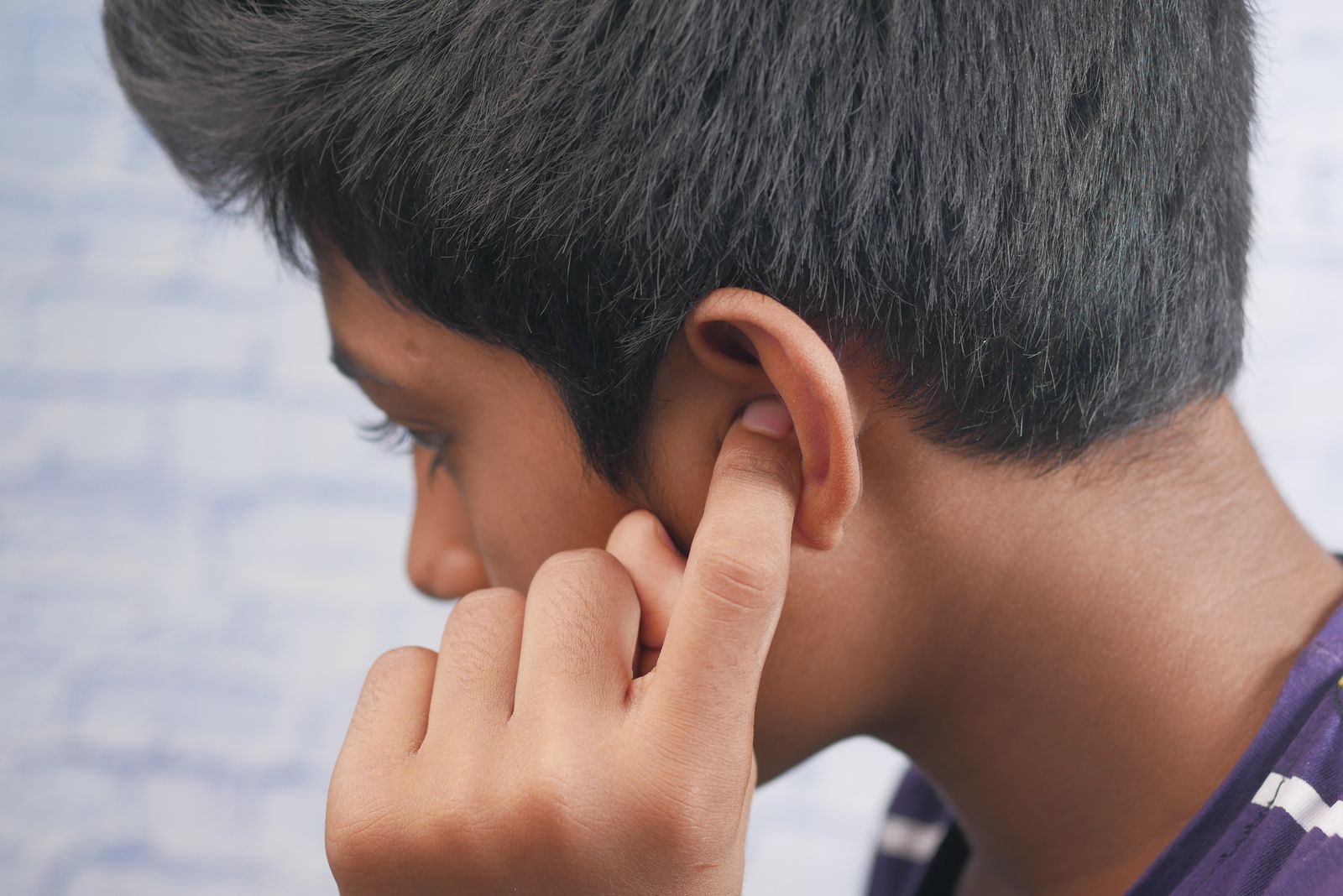
Photo by Towfiqu barbhuiya via Pexels
How a Tooth Sends Pain to Your Ear
Your back teeth and your ear share nerve wiring. The large nerve that carries feeling from your face, the trigeminal nerve, branches out to the teeth, the jaw, and the area around the ear. Because those branches run so close together, your brain is not always good at pinpointing where a signal starts. A problem in a lower molar can read as a deep ache in or behind the ear. A problem in an upper molar can read as fullness or pressure in the ear on the same side.
This is called referred pain, and it is the same reason a tooth can ache in the jaw when the source is a tooth centimetres away. The tooth may not even be the part that hurts most, which is why people are so often sure the trouble is in the ear. A one-sided earache with no cold, no blocked ear, and no change in hearing, especially next to a molar that is sensitive or tender to bite on, is worth treating as a tooth problem until a dentist rules it out.
The Tooth Problems That Refer Pain to the Ear
A short list of tooth problems accounts for most ear pain that starts in the mouth, and nearly all of them involve the molars, which sit closest to the ear:
- An infected or dying nerve in a molar. When the nerve inside a back tooth dies and infection collects at the root, the pressure can ache deep toward the ear. Our guide to what a tooth abscess is explains how it forms, and what causes a tooth infection covers how it is treated.
- A wisdom tooth. A wisdom tooth stuck against its neighbour or half-buried under the gum inflames the very back of the jaw, right below the ear, which is one of the most common reasons a young adult feels ear pain on one side. When a wisdom tooth needs taking out walks through it.
- A cracked molar. A crack running into a back tooth can send a sharp jolt up toward the ear when you bite or let go. If your ear pain spikes on chewing one spot, read a cracked tooth.
- Grinding or clenching. Heavy night-time grinding tires the muscle and the joint that sit directly in front of the ear, so the ear aches each morning even though the ear is fine. Over time grinding can also crack a molar, which brings you back to the point above.
Is It Your Tooth or Your Ear?
This is the part worth getting right, because plenty of ear pain has nothing to do with a tooth, and a dentist is the wrong first stop for it. A middle-ear infection, wax, swimmer's ear, or a virus can all cause a genuine earache, and those are treated by a family doctor or an ENT, not by us. A few things help tell them apart, though only an exam settles it:
- Points to a tooth: one molar is sensitive to hot, cold, or biting; the ache is worse lying down at night; there is a bad taste, a gum pimple, or swelling near a back tooth; tapping one tooth reproduces the pain; your hearing is normal.
- Points to the ear itself: the ear feels blocked or full; your hearing is muffled on that side; there is discharge or itching in the ear canal; it followed a cold, a flight, or swimming; no tooth reacts to hot, cold, or pressure.
If the signs point to the ear and no tooth reacts, see a doctor rather than booking a dental appointment. Coming to us for what turns out to be an ear infection just costs you a day. The jaw joint (the TMJ) in front of the ear is a third possibility, and our note on jaw pain from a tooth covers how that one feels.
What You Can Do Before You're Seen
None of this fixes the cause, but it can take the edge off while you work out where the pain is coming from and arrange to be seen:
- Over-the-counter painkillers. An anti-inflammatory like ibuprofen, if it is safe for you, works well on the throb from an inflamed nerve. Our guide to painkillers for a toothache covers what actually helps.
- A warm compress over the jaw and ear eases a sore muscle or joint. For swelling near a tooth, a cold compress on the outside of the cheek is better.
- Rest the jaw. Soft food, smaller bites, and skipping gum give an overworked joint or a cracked tooth a break, and often quiet the earache with it.
- Sleep propped up. Lying flat raises the pressure in an infected tooth, which is why tooth and ear pain so often peak at night. Our guide on how to sleep with a toothache goes further.
What will not fix it is waiting. If a tooth is behind the pain, the ache easing for a day is the infection resting, not clearing, and waiting to see whether it settles is usually the more expensive choice. A molar that needs a straightforward root canal now is a harder job once an abscess has had a few weeks to spread.
When to Be Seen Quickly
Most ear pain from a tooth can wait for a same-day or next-day appointment. Some of it cannot.
Go straight to a hospital emergency room, not the dentist, if you have swelling that is spreading under the jaw or into the neck, swelling around the ear with a fever, or any trouble breathing, swallowing, or opening your mouth. A dental infection that spreads into the spaces around the jaw and neck can threaten the airway, and that moves faster than any appointment. Our guide to facial swelling from a tooth infection covers the warning signs.
See a doctor promptly, rather than a dentist, if the ear itself is the problem: severe ear pain with a high fever, discharge from the ear, sudden hearing loss, or pain and swelling on the bone behind the ear all need medical care, not dental care. For a tooth-related ache short of an emergency, you still want it seen before it turns into an abscess. If you are not sure how urgent yours is, when a toothache is a real emergency helps you judge it.
If your ear is aching and you suspect a back tooth is behind it, call or WhatsApp 055-985-8845 and we will find which tooth it is and treat it. We are in Ramat Beit Shemesh, open Sunday to Thursday 8:00 AM to 8:00 PM and Friday 9:00 AM to 5:00 PM, with after-hours emergency treatment outside those hours. Describe the pain or send a photo of the tooth or gum if it is easier, and if it turns out to be your ear rather than a tooth we will tell you to see a doctor instead. Our toothache treatment and emergency dentist pages explain how we track the pain to its source.
For guidance from sources with nothing to sell, the ADA's MouthHealthy explains what a dental abscess is and why it needs treating and how an impacted wisdom tooth causes pain around the jaw and ear, and the American Association of Endodontists covers how a root canal clears an infected tooth.
Common questions
Can a tooth really cause ear pain?
How do I know if my ear pain is from a tooth or an ear infection?
Which teeth are most likely to cause ear pain?
Can a wisdom tooth cause ear pain?
Will ear pain from a tooth go away on its own?
When should I see a doctor instead of a dentist for ear pain?
Still not sure? Message us.
Send Dr. Gabriel Joel, DMD a quick description of what's going on and we'll point you in the right direction.
Message on WhatsAppDentist in Beit Shemesh — our dental clinic