
Flying With a Toothache: Is It Safe, and What Helps
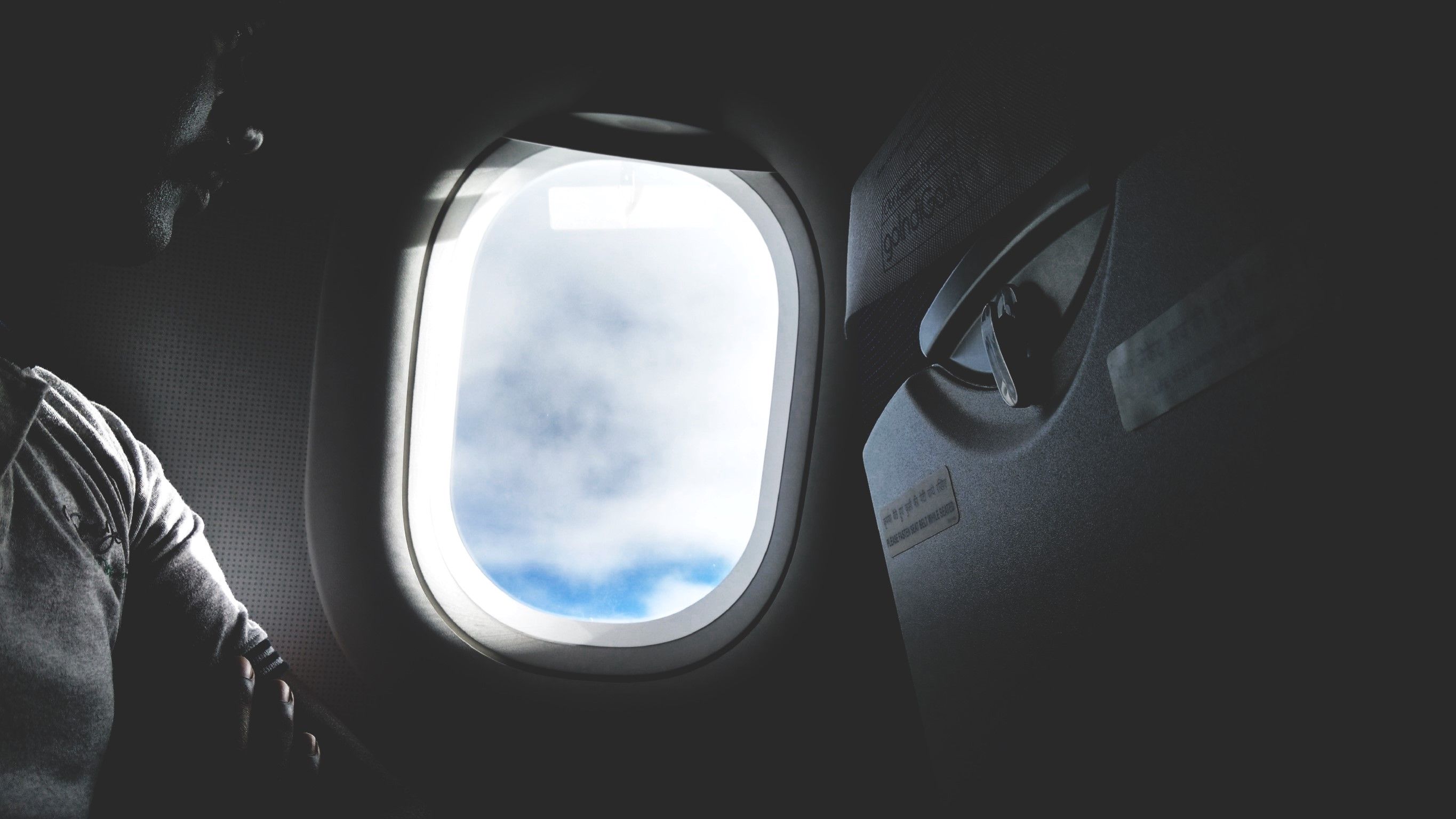
Photo by Anugrah Lohiya via Pexels
Why a Sore Tooth Hurts More in the Air
The cabin is pressurised, but not to sea level. It sits at roughly the pressure you'd feel on a mountain a couple of thousand metres up. As the plane climbs and that pressure drops, any small pocket of gas trapped in your body expands. That's why your ears pop. It's also what can set off a tooth.
Dentists have a name for it: barodontalgia, or more plainly, tooth squeeze. If a tooth has a space inside it that shouldn't be there, from deep decay, a leaking filling, an old root canal, or an infection at the root, the trapped air expands as you climb and presses on the nerve. A tooth that only twinged on the ground can start throbbing at cruising altitude.
There's a second cause worth knowing about, because it fools people. The roots of your upper back teeth sit right under your sinuses. When a cold or a sinus infection blocks those sinuses, the pressure change on a flight can push on those roots and produce what feels exactly like a toothache, even though the teeth are fine. If several upper teeth ache at once and you're congested, the sinus is the more likely culprit.
When to Get Your Tooth Seen Before You Fly
A tooth that's already misbehaving is far more likely to flare in the air than one that's quiet. Get it checked before your flight if you have:
- Throbbing pain that starts on its own, or pain that lingers after something hot or cold rather than settling straight away.
- Any swelling of the gum, cheek, or jaw. Our guide to facial swelling from a tooth infection explains why swelling moves to the front of the queue.
- A cavity or a cracked tooth you've been meaning to deal with, especially before a long-haul flight or a trip somewhere you don't know the local dental options.
- A bad taste leaking from a tooth, which usually means an infection is draining and won't fix itself in the air.
The reason to sort it out beforehand isn't just comfort. An untreated infection doesn't pause while you're away, and waiting to see whether it settles on its own is usually the more expensive choice, not the cheaper one. A tooth that could have been saved this week can become an extraction next week. If you're not sure whether yours can wait, our guide to telling a toothache from a dental emergency walks through where the line sits, and we keep same-day appointments open for exactly this.
When Flying With a Tooth Problem Is Usually Fine
Most of the time, you don't need to cancel your trip over a tooth, and we'd rather tell you that than have you sitting in the chair for no reason. Flying is generally fine if:
- Your tooth gives a quick twinge to cold that vanishes within a second or two. That's normal sensitivity, not a warning.
- You had a filling weeks or months ago and it's been comfortable since.
- An extraction site has healed over and isn't sore.
- You have mild gum tenderness with no swelling and no throbbing.
None of these has a trapped pocket of air or an active infection behind it, so the pressure change has nothing to grab onto. Pack some painkillers for peace of mind and get on the plane.
What to Do If a Toothache Hits Mid-Flight
If a tooth flares once you're already in the air, the goal is simply to get through the flight in one piece and be seen when you land. A few things help:
- Take an over-the-counter anti-inflammatory you tolerate, at the dose on the packet, if you haven't already. Our guide to painkillers for a toothache covers what tends to work best.
- Sip water and stay hydrated. Cabin air is dry, and a dry mouth makes tooth pain feel sharper.
- If the pain feels like sinus pressure, swallowing, yawning, or chewing gum during the climb and descent helps your sinuses equalise, the same trick that clears your ears.
- Skip very hot and very cold drinks, and keep the cold air vent off your face. Both can set off a sensitive tooth.
What none of this does is treat the underlying problem. It gets you to the ground. See a dentist once you land, and if the pain came with swelling that's spreading, or you feel unwell with a fever, treat that as urgent rather than something to sleep off. Our guide on when a tooth infection can spread beyond the tooth explains why.
Flying After a Filling, Root Canal, or Extraction
Recent dental work makes people nervous about flying, usually more than it needs to. A finished root canal has had the inside of the tooth cleaned out and sealed, so there's no trapped air left to expand; flying afterwards is not a problem. A settled filling is the same. A recent extraction is generally fine to fly with too, though it's worth being aware of the small risk of the clot dislodging, and if you had any sedation, don't fly the same day.
The honest rule of thumb: if the work was done in the last day or two and the area is still tender, ask the dentist who did it whether your specific case is fine to fly. It usually is. A brand-new deep filling can be a little sensitive for a short while and settle on its own, which our guide to tooth pain after a filling covers. If you're travelling soon and want a tooth checked or finished before you go, that's a good reason to come in ahead of time rather than gamble on it holding.
If you've got a trip coming up and a tooth you're not sure about, call or WhatsApp us at 055-985-8845 and tell us how it's behaving. We'll tell you whether it needs seeing before you fly, give you the price for your case before anything starts, and if it can safely wait until you're back, we'll say so. We're in Ramat Beit Shemesh, open Sunday to Thursday 8:00 AM to 8:00 PM and Friday 9:00 AM to 5:00 PM, with after-hours emergency treatment outside those hours. Our emergency dentist and same-day treatment pages explain how urgent visits work.
For guidance from sources with nothing to sell, the ADA's MouthHealthy explains what to do about a toothache and how to recognise a dental abscess, and the American Association of Endodontists lists the symptoms that signal an inflamed or infected nerve.
Common questions
Is it safe to fly with a toothache?
Why does my tooth hurt more on a plane?
Can I fly after a root canal or a filling?
Can I fly after a tooth extraction?
How do I ease tooth pain during a flight?
Should I cancel my trip because of a toothache?
Still not sure? Message us.
Send Dr. Gabriel Joel, DMD a quick description of what's going on and we'll point you in the right direction.
Message on WhatsAppDentist in Beit Shemesh — our dental clinic