
Evening Dental Emergency: How to Get Seen After Work
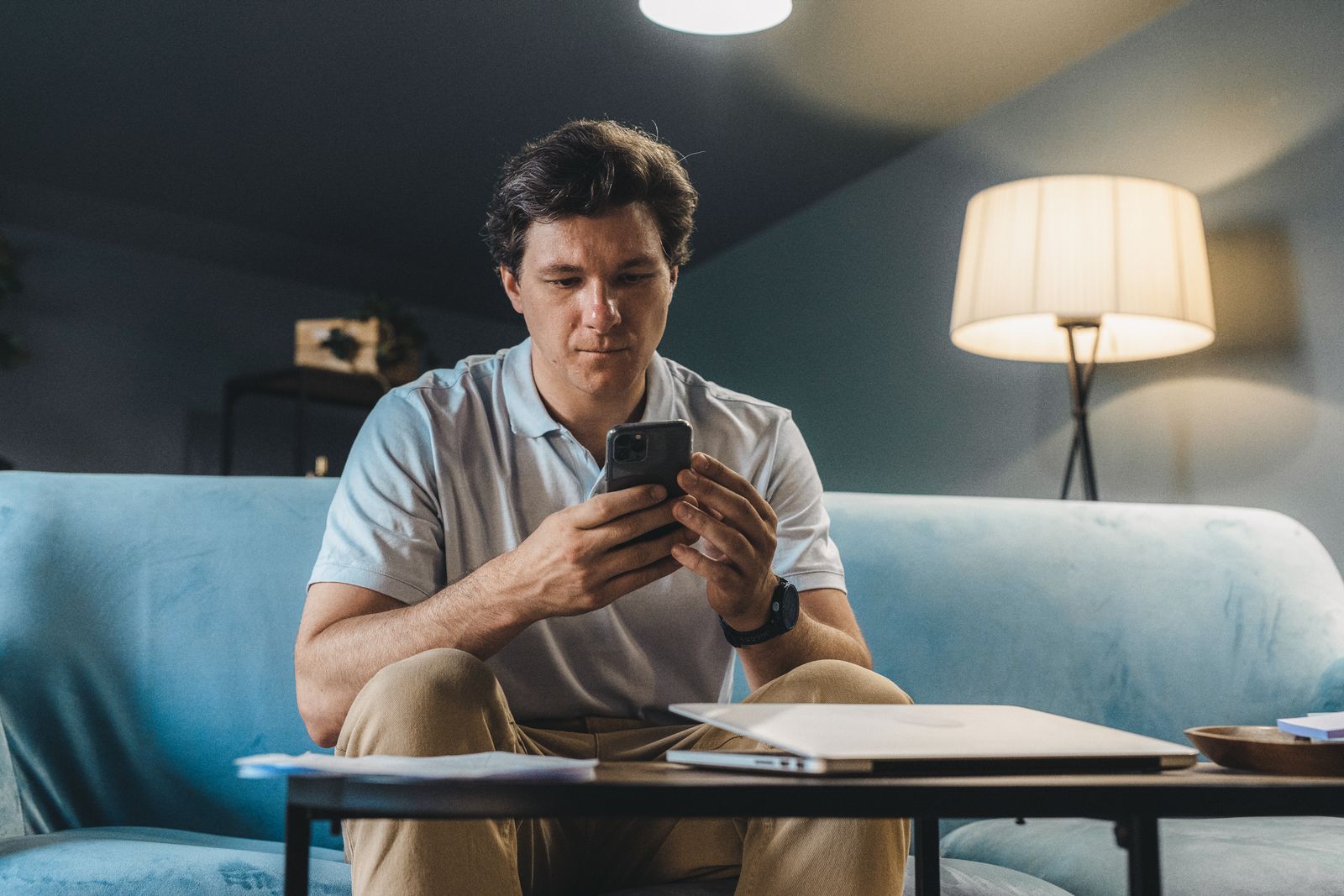
Photo by SHVETS production via Pexels
Why a Tooth Picks the Evening
A tooth does not check the clock. What changes in the evening is everything around it, and there are four ordinary reasons a problem that was manageable at noon becomes the only thing you can think about at nine.
- The noise stops. Work, driving, kids, a conversation. All of it has been drowning out a signal that was there the whole time.
- The painkiller has worn off. Most people take one at lunchtime, forget about it, and meet the pain again six hours later at full strength.
- You lie down. Reclining raises blood pressure in the head. An inflamed nerve sits in a sealed chamber of hard tissue with nowhere to expand, so that extra pressure registers as a throb.
- Dinner. Hot soup, a cold drink, a hard crust, or chewing on the bad side out of habit.
None of that means the tooth got worse between the afternoon and the evening. It usually means you finally noticed how bad it already was. Our guide to why a toothache gets worse at night goes through the mechanism in more detail.
What Can Actually Be Done in an Evening Appointment
People assume an evening visit means a prescription and instructions to come back tomorrow. That is not what an evening slot is for. In an appointment that starts at 6:00 or 7:00 PM, we can usually:
- Open the tooth and take the pressure off the nerve. For severe throbbing, this is often the fastest thing that exists. The relief is not gradual.
- Start or finish root canal treatment. Many cases are done in one visit rather than spread over several.
- Drain an abscess and get you onto the right antibiotic where one is actually needed.
- Take out a tooth that has gone past saving, rather than sending you home to sit with it.
- Re-cement a crown that came off at dinner, or put a temporary filling back in.
- Take an x-ray and tell you what it is. For a lot of people that is the part that lets them sleep.
The one thing an evening visit rarely finishes is lab work. A permanent crown has to be made by a laboratory, so you can leave with the pain gone and a temporary on the tooth while the final crown is fitted at a separate appointment. Our guides to same-day root canal treatment and how long you wait for a crown afterwards explain how those two visits fit together.
Evenings in Beit Shemesh: Thursday Is Not Wednesday
The week here has a shape, and it changes what an evening toothache means. We are open Sunday to Thursday from 8:00 AM to 8:00 PM, Friday from 9:00 AM to 5:00 PM, and closed on Shabbat.
So a Tuesday evening problem has a full day behind it. If tonight is genuinely unbearable you call tonight; if not, tomorrow morning is there. A Thursday evening problem is a different animal. Behind it there is one short Friday morning, and then the door is shut until Sunday. Thursday night is the night to make the call rather than see how it goes, because "see how it goes" on a Thursday is really a decision to spend Shabbat with it.
The alternative when nothing is open is the drive to a Jerusalem hospital emergency room. For a genuine medical emergency that is exactly right. For an ordinary bad toothache it usually ends in a long wait, a prescription, and a referral back to a dentist in the morning, which is a hard evening to spend for a result you can get on the phone. Our guide to being seen on Friday or over Shabbat covers the end of the week specifically.
One more thing that matters more than it sounds at 7:30 PM: the whole visit can be in English. Dr. Joel trained in the United States and made aliyah in 2014, and he treats in both Hebrew and English. Describing a pain accurately is hard enough in your first language. Doing it in your second, while it is happening, is how the wrong tooth ends up getting looked at.
When an Evening Tooth Can Wait Until Morning
Not every evening tooth is an emergency, and we would rather tell you that on the phone than have you drive across town in the dark for something a night of sleep does not change. These can usually wait:
- A twinge on something cold that disappears within a few seconds.
- Mild soreness for a day or two after a new filling, easing rather than building.
- A chipped edge with no pain, and no sharp corner cutting your tongue.
- Food packing between two teeth, which settles once you floss it out.
- A dull ache that a normal dose of painkiller settles completely.
The rule of thumb: if a painkiller genuinely settles it and you can sleep, the morning is fine. If it does not touch it, if there is swelling, or if the tooth is throbbing on its own without you doing anything to it, that is an evening call. Our guide to telling a toothache from a real dental emergency draws the line in more detail.
There is a difference, though, between waiting until morning and waiting until it goes away. Waiting to see whether a tooth sorts itself out is usually the more expensive choice, not the cheaper one. Pain that fades after a few days often means the nerve died rather than healed, and the problem simply moved somewhere quieter.
When It Is the Hospital, Not a Dentist
Some evening situations are past what any dental clinic can safely handle. Go straight to the nearest hospital emergency room, not to us, if you have:
- Swelling that is spreading up toward the eye or down into the neck.
- Any difficulty breathing or swallowing, or a voice that has suddenly changed.
- A mouth that will not open more than a couple of fingers wide.
- A high fever and chills alongside a bad tooth.
- A facial injury with a possible broken jaw, or any loss of consciousness.
Those are the signs that a dental infection has become a medical one, and they do not wait for opening hours. Our guide to facial swelling from a tooth infection explains why these jump ahead of everything else.
Getting Through the Evening Until You Are Seen
If you have none of the warning signs above and the plan is to be seen later tonight or first thing tomorrow, a few things genuinely help:
- Take a painkiller you normally tolerate, following the packet. Ibuprofen usually works better than paracetamol on dental pain because it targets the inflammation behind the throb.
- Prop your head up, on the sofa and in bed. Lying flat makes it worse for the reason above.
- Hold a cold compress against the outside of the cheek, especially if there is swelling. Nothing hot or cold directly on the tooth itself.
- Chew on the other side, and skip the extremes at dinner.
- Do not hold an aspirin against the gum. It burns the tissue and does nothing at all for the tooth underneath.
Note the time of your last dose before you call, and send a photo with your message if you can. Our guides to what actually helps a toothache and sleeping through one go through the rest.
If a tooth has flared this evening and you are not sure whether it can wait, call or WhatsApp us at 055-985-8845 and tell us what is happening. We will tell you how soon you need to be seen, give you the price for your case before anything starts, and if it can safely wait until morning we will say so rather than bring you in. We are at Harav Kook 28/1 in Ramat Beit Shemesh, open Sunday to Thursday 8:00 AM to 8:00 PM and Friday 9:00 AM to 5:00 PM, with after-hours emergency treatment outside those hours. You see one dentist, Dr. Gabriel Joel, DMD. Our emergency dental care in Beit Shemesh and urgent treatment in Ramat Beit Shemesh pages explain how an urgent visit works.
For guidance from sources with nothing to sell, the ADA's MouthHealthy covers how to handle a dental emergency, and the American Association of Endodontists explains what different dental symptoms usually mean.
Common questions
Can I see a dentist in the evening in Beit Shemesh?
Why does my toothache get worse in the evening?
Is an evening appointment only for painkillers, or can the tooth actually be treated?
Should I go to a hospital emergency room instead for a toothache at night?
What if my tooth starts hurting on Thursday evening?
Is it safe to wait until morning if the painkiller is working?
Still not sure? Message us.
Send Dr. Gabriel Joel, DMD a quick description of what's going on and we'll point you in the right direction.
Message on WhatsAppDentist in Beit Shemesh — our dental clinic