
Discoloured Tooth After a Root Canal: Why and What to Do
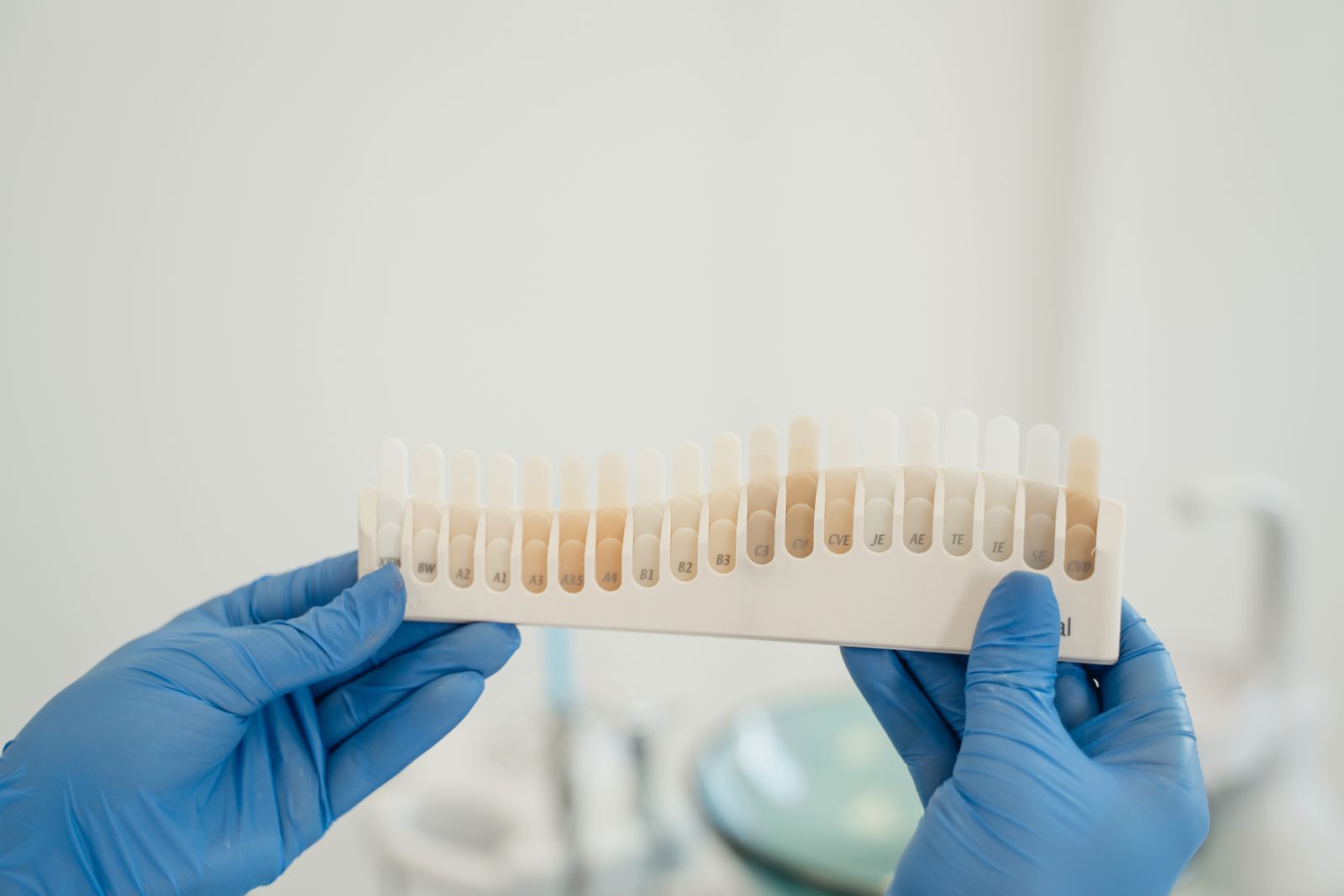
Photo by Tima Miroshnichenko via Pexels
Why a Tooth Darkens After a Root Canal
A tooth with a healthy nerve gets a faint glow from the living pulp inside it. A root canal removes that pulp, so the tooth is now non-vital, and over time it can read a shade or two darker than the live teeth beside it. The change is slow, and it shows up most on front teeth, where the light passes through and there's nothing to hide it.
A few things drive the colour change:
- Blood breakdown products. If the tooth bled before or during treatment, the iron from that blood can seep into the dentine and stain it grey or brown from within.
- Old filling and sealing materials. Some of the materials once used to seal canals darkened the tooth over the years. Modern materials do this far less, but plenty of older treatments are still in mouths.
- A tooth that was already dying. If the nerve had died before the root canal, the tooth may have started discolouring before the treatment even happened. The signs of a dead tooth covers that earlier stage.
None of this is your fault, and it doesn't mean the tooth is failing. It's the ordinary way a treated tooth ages.
Is a Dark Tooth a Sign the Root Canal Failed?
Usually not. A colour change on its own, with no pain and no swelling, is almost always cosmetic. The root canal did its job; the tooth just lost its living glow and slowly stained.
What changes the picture is other symptoms turning up alongside the colour. Get the tooth looked at, rather than only the colour, if you also have pain when you bite, tenderness in the gum, swelling, a small pimple on the gum, or a bad taste that won't rinse away. Those can point to a tooth that has reinfected and needs redoing. The signs a root canal has failed and what retreatment involves both go into that. Waiting to see whether a sore, darkening tooth settles on its own is usually the more expensive choice, because a tooth caught early is easier to save than one left for months.
A grey tooth with no pain and no swelling, though, is not an emergency. It can wait for a normal appointment, and there's no need to rush in for it.
How a Discoloured Root Canal Tooth Is Fixed
There are three honest routes, and which one fits depends on how deep the stain is and how much healthy tooth is left. In rough order from least to most involved:
- Internal bleaching. The dentist reopens the back of the tooth, places a bleaching agent inside, and seals it in for a few days at a time, changing it over one to three visits. Because it works from the inside, it reaches the stain that surface whitening can't. It keeps your own tooth and is the usual first choice for a single dark front tooth.
- A veneer. A thin facing bonded over the front of the tooth. This is the move when bleaching doesn't hold, or when the tooth needs a small change in shape as well as colour.
- A crown. A full cover over the whole tooth. This makes sense when the tooth is heavily filled or weak and would benefit from the protection anyway. Why a back tooth often needs a crown after a root canal covers when that call is really about strength, not looks.
Internal bleaching is the least invasive and often gets a good result on its own. It can fade over a few years, but it can be topped up again without much fuss.
Why Whitening Strips and Toothpaste Won't Fix It
People reach for whitening strips or a whitening toothpaste first, and they're disappointed. Those products lift surface stains from the outside of the enamel, the sort of thing coffee and red wine leave behind. The stain in a treated tooth sits inside the dentine, under the enamel, so a gel worked over the outer surface simply can't get to it.
That's the whole reason this kind of discolouration is handled differently. Either the bleach goes inside the tooth, where the stain actually is, or the stained surface is covered over. There's no strip or paste that reaches an internal stain.
When It Can Wait and When to Get It Seen
Most of the time a discoloured root canal tooth is a colour question, not a health one, and it can wait until you're ready to deal with it. There's no medical harm in leaving a purely cosmetic stain, and it's worth planning the fix properly rather than rushing.
Get it looked at sooner if the colour comes with pain, tenderness to bite, swelling, a gum bump, or a bad taste, since those can mean the tooth needs retreatment rather than just a whitening. What happens if an infected tooth is left untreated lays out why that's worth catching early.
And go straight to a hospital emergency room, not a dental chair, if you have swelling spreading across the face, closing an eye or reaching the neck, trouble swallowing or breathing, or a fever alongside facial swelling. Those are signs an infection is moving beyond the tooth, and that's a medical emergency, not a cosmetic one.
If a tooth has gone grey or brown since its root canal and you want to know whether it's a simple bleaching job or a tooth that needs a second look, the sensible next step is an X-ray and an honest opinion. Call or message us on WhatsApp at 055-985-8845. We're open Sunday to Thursday 8:00 AM to 8:00 PM and Friday 9:00 AM to 5:00 PM, with after-hours emergency treatment outside those hours, and we handle root canal treatment and emergency dental care in Ramat Beit Shemesh. We put the image on the screen and tell you plainly whether the tooth is healthy and just needs whitening, or whether there's something under it to sort out first.
For guidance from sources with nothing to sell, the American Association of Endodontists explains what root canal treatment involves, and the ADA's MouthHealthy covers how tooth whitening works and what it can and can't do.
Common questions
Why did my tooth turn grey after a root canal?
Does a dark tooth mean my root canal failed?
Can a discoloured root canal tooth be whitened?
Will whitening strips or toothpaste fix it?
How long does internal bleaching last?
How soon after a root canal does a tooth discolour?
Still not sure? Message us.
Send Dr. Gabriel Joel, DMD a quick description of what's going on and we'll point you in the right direction.
Message on WhatsAppDentist in Beit Shemesh — our dental clinic