
Can a Cracked Tooth Cause an Infection? Yes, and How
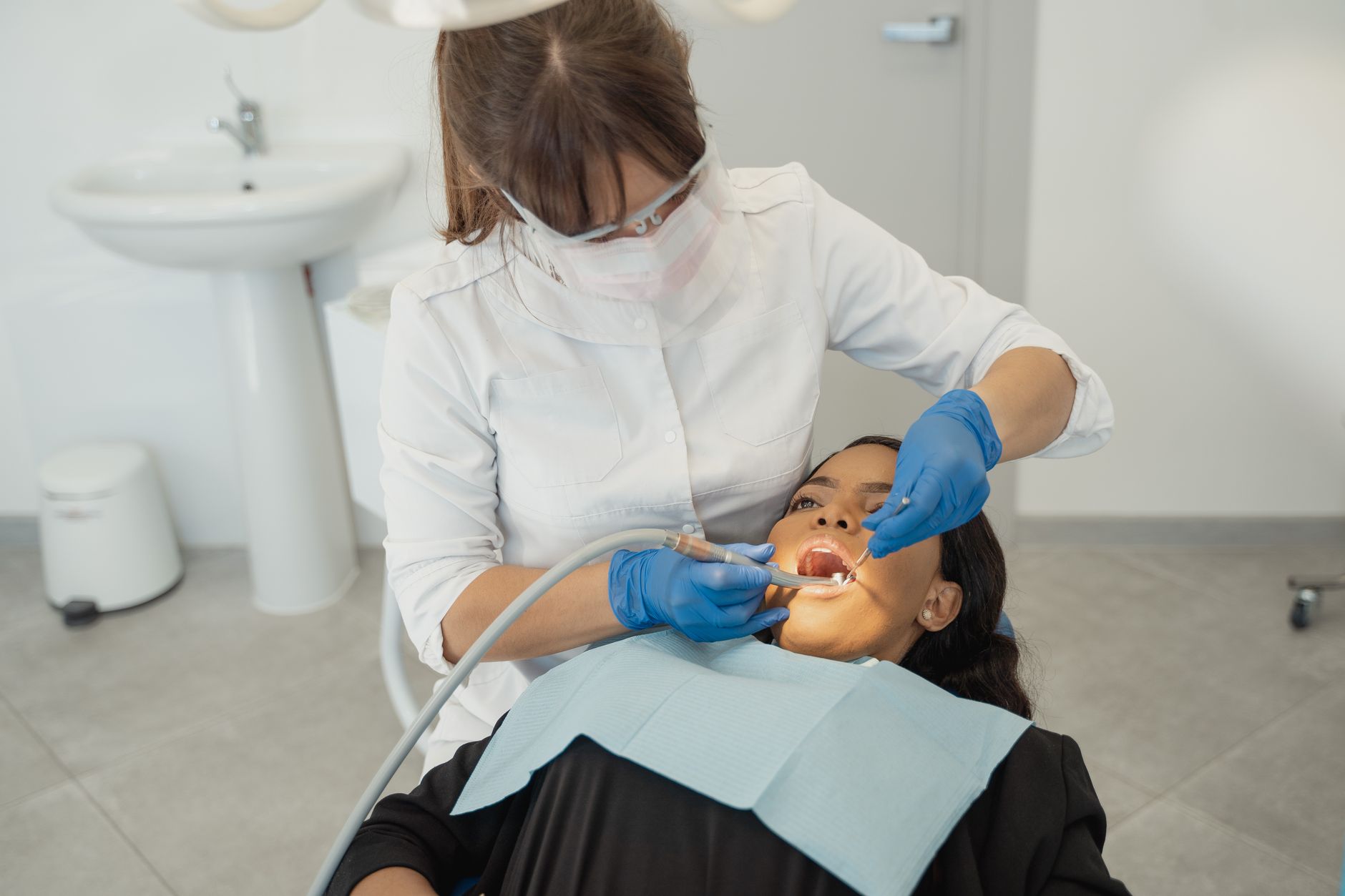
Photo by Tima Miroshnichenko via Pexels
How a crack turns into an infection
A healthy tooth is sealed. The enamel and dentine keep bacteria away from the pulp, which is why a tooth can live for decades in a mouth full of them.
A crack breaks that seal. Every bite opens it slightly and closes it again, and saliva and bacteria are drawn in each time. If the crack stays shallow, the tooth may cope. If it runs deep enough to reach the pulp, the nerve becomes inflamed, then infected, and eventually dies.
Once the pulp is infected, the infection has nowhere to go but out through the tip of the root. That is the abscess: a pocket of infection in the bone, usually with a swelling on the gum. What a tooth abscess is goes through it in full.
Signs the crack has become infected
A cracked tooth on its own tends to hurt sharply when you bite, then stop. Infection changes the pattern. Watch for these:
- A dull, constant ache or throbbing that no longer depends on chewing
- Pain that is worse lying down, or that wakes you at night
- A pimple-like bump on the gum near the tooth, sometimes leaking a salty or bitter fluid
- Swelling of the gum or cheek
- A bad taste or smell from one side of the mouth
- The tooth feeling tender to a light tap or slightly raised in the bite
It can also be quiet. An infection can drain through a small gum bump and the pain can ease, which leads many people to decide it has healed. It has not. When the pain stops by itself explains why that relief is misleading.
How long this takes
There is no schedule. Some cracks reach the nerve within days, and others sit for months before anything happens. The size of the crack, its direction, and how hard you chew on that side all matter, and none of them can be judged from a mirror.
This is why how long you can wait with a cracked tooth depends on symptoms rather than the calendar. A crack that is painless today is not guaranteed to stay that way, and the cheapest time to treat it is before the nerve is involved.
What treatment looks like
It depends on how far the crack and the infection have gone. After an examination and an X-ray, the usual options are:
- Crack is shallow, nerve is healthy: a crown or onlay holds the tooth together so the crack stops spreading. No infection, no root canal.
- Crack has reached the nerve, tooth is still restorable: a root canal removes the infected pulp, then a crown protects the tooth. See root canal treatment in Beit Shemesh.
- Crack has split the root: the tooth usually cannot be saved and has to come out. Then we talk about replacing it.
Antibiotics alone do not fix this. They may calm the swelling for a few days, but the source is a crack and a dead nerve, and neither responds to a tablet. What antibiotics can and cannot do covers it.
Most people who come to us with this have already taken a course of antibiotics from somewhere else and hoped that was the end of it. It is a sensible thing to try. It just does not work on a cracked tooth.
When it cannot wait, and when it can
Go to a hospital emergency room, not a dental clinic, if you have swelling that spreads toward the eye or down the neck, difficulty swallowing or breathing, or a fever with a swollen face. Those are signs the infection is spreading beyond the tooth. When a dental infection becomes a hospital emergency lists them.
Without those signs, call us the same day if you have a gum bump, swelling, or constant pain. A small crack with no pain, no swelling and no bump can wait for a routine appointment, though it should still be looked at, and cracked tooth repair in Beit Shemesh is easier the earlier it starts.
Seeing someone in Beit Shemesh
Dr. Joel's clinic is at Harav Kook 28/1, and same-day appointments are possible. Explaining a tooth problem is easier in your own language, and he treats in both English and Hebrew, so you can describe exactly when it hurts and what it does. Shabbat is for genuine emergencies only, and a spreading swelling counts. A quiet ache on Friday afternoon can usually be handled with a call before candle-lighting and a visit on Sunday.
For independent guidance, the AAE explains cracked teeth and how they are treated, and the ADA's MouthHealthy has a page on cracked teeth.
A cracked tooth that has started to ache, swell or leak? Urgent Dental Care, Harav Kook 28/1, Beit Shemesh. Message us on WhatsApp or call 055-985-8845 and we will find you a slot.
Common questions
Can a cracked tooth cause an infection without any pain?
How do I know if my cracked tooth is infected?
Can antibiotics clear an infection from a cracked tooth?
Can a cracked tooth infection spread to the rest of the body?
Is a cracked tooth infection an emergency in Beit Shemesh?
Can a cracked tooth with an infection be saved?
Still not sure? Message us.
Send Dr. Gabriel Joel, DMD a quick description of what's going on and we'll point you in the right direction.
Message on WhatsAppDentist in Beit Shemesh — our dental clinic