
Can a Cracked Tooth Cause Dizziness? Causes and What to Do
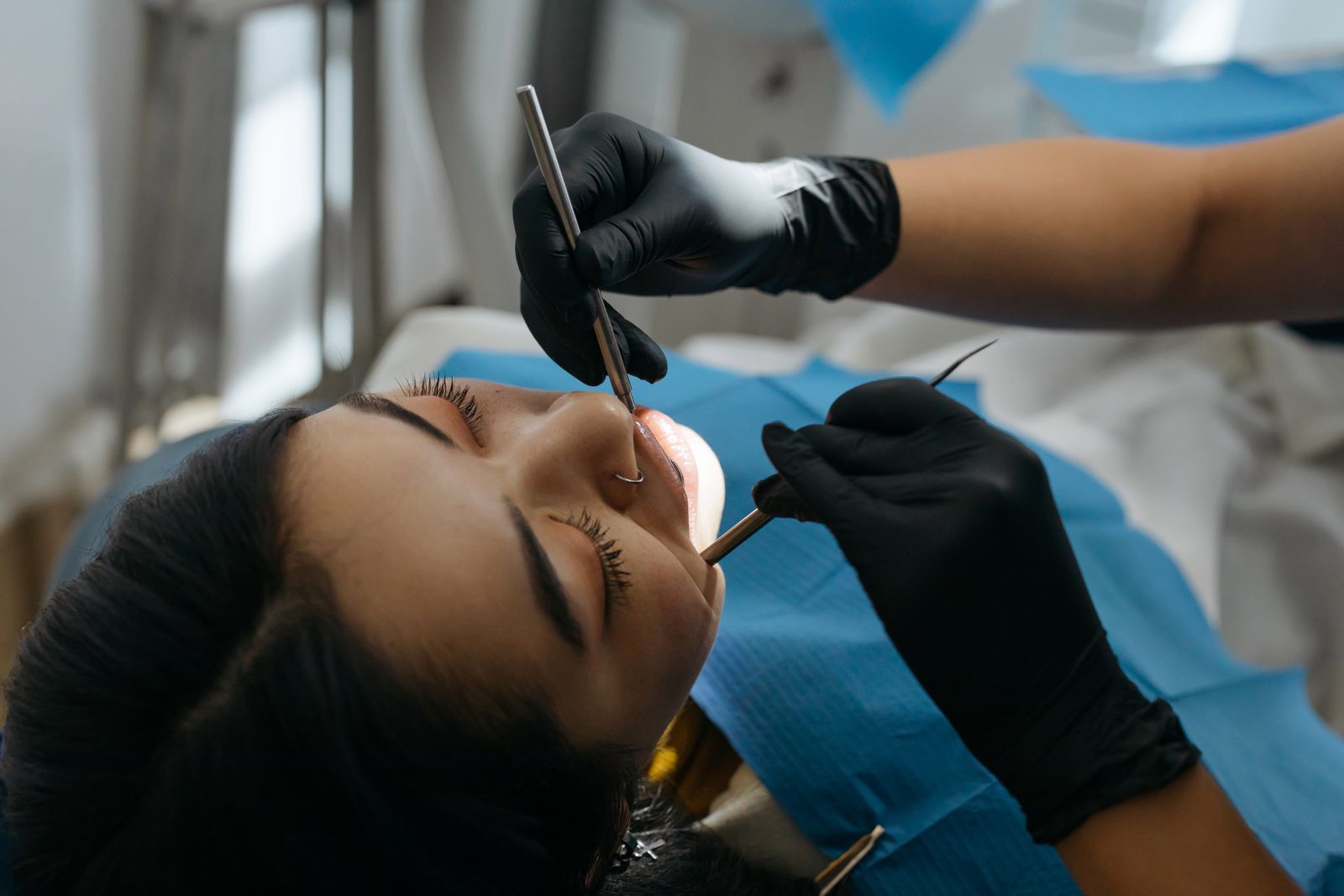
Photo by cottonbro studio via Pexels
Why a cracked tooth can leave you light-headed
There are a few ordinary routes, and none of them involve the crack reaching your brain.
- Pain and stress. Sharp, repeated pain triggers adrenaline. Some people breathe faster without noticing, and that alone can cause a swimmy, tingling feeling.
- Not sleeping or eating. A tooth that zings every time you chew often means you have been avoiding food and sleeping badly for days.
- Painkillers. Taking several different tablets in a row, or on an empty stomach, can make you dizzy or nauseous.
- Infection. If the crack let bacteria reach the nerve, a spreading infection can make you feel unwell all over.
Most people who come to us with this have been quietly working around one tooth for weeks and assumed the dizzy spell was something else. It might be. That is worth finding out rather than guessing.
Sinus, ear and jaw: when the tooth is only part of it
The upper back teeth sit right under the sinuses, and the jaw joint sits right in front of the ear. A cracked tooth in either area can set off pressure or aching that feels like fullness in the head. That is not the same as the room spinning, but patients often describe both the same way. We cover the overlap in sinus infection or toothache and in ear pain that comes from a tooth.
A cracked tooth is also a known trigger for headaches, and a headache with nausea can feel a lot like dizziness. Our post on cracked tooth headaches explains that link.
When dizziness is an infection signal
A crack that goes deep can let bacteria into the tooth, and from there into the bone and gum around it. A tooth that has become infected can cause a general unwell feeling, and in some people light-headedness comes with it. Warning signs to watch for alongside the dizziness:
- Swelling in the cheek, jaw or under the eye
- A fever or chills
- A bad taste, or a pimple-like bump on the gum
- Pain that was sharp and has suddenly gone quiet
If you have two or more of those, the tooth needs to be seen soon. Our guide to how a tooth abscess can make you feel sick goes into it.
When to see a doctor or go to hospital, not us
Dizziness has many causes that have nothing to do with teeth, and some are serious. Do not come to a dentist first if the dizziness comes with any of these:
- Chest pain, or a racing or irregular heartbeat
- Fainting or near-fainting
- Sudden severe headache
- Slurred speech, weakness or numbness on one side, or a drooping face
- Sudden loss of vision or hearing
- Swelling that is spreading to the neck or making it hard to swallow or breathe
Those are medical emergencies, and the tooth can wait. If the room truly spins, with vertigo or ringing in the ear, see your doctor as well; that points to the inner ear. Our guide to the emergency room versus the dentist for tooth pain covers the decision in more detail.
What we do when you come in
We ask when the dizziness started in relation to the pain, what you have taken and how much you have slept and eaten. We then look at the tooth: a bite test, a cold test and an X-ray. Cracks are often invisible on the X-ray, so what you tell us is part of the diagnosis. The American Dental Association's page on cracked teeth and the American Association of Endodontists' guide to cracked teeth explain how cracks are classified.
Treatment depends on how deep the crack goes: bonding or a filling, a crown to hold the tooth together, a root canal if the nerve is damaged, or an extraction if the crack runs below the gum. If the dizziness stops once the tooth is treated, you have your answer. If it carries on, it needs a doctor. For how long a crack can safely wait, see how long to wait on a cracked tooth, or the overview in cracked tooth: signs, types and whether it can be saved.
If it happens on a Thursday night in Beit Shemesh
Our clinic at Harav Kook 28/1 is open Sunday to Thursday 8:00 to 20:00 and Friday 9:00 to 17:00, and Shabbat is for genuine emergencies only. A tooth that flares on Thursday night with a foggy head is a worse problem than the same one on Sunday morning, because the weekend is long and nobody wants to decide at 2am whether dizziness is a dental matter. Same-day appointments are possible at the Beit Shemesh clinic. Dr. Joel is USA-trained and treats in English and Hebrew, so you can describe exactly what you feel, and which tablets you took, in whichever language is easier.
See our cracked tooth repair in Beit Shemesh page, or cracked tooth repair for Ramat Beit Shemesh, about 2 km from the chair.
To get a cracked tooth looked at in Beit Shemesh, call or WhatsApp Urgent Dental Care on 055-985-8845. Tell us about the dizziness and bring a list of anything you have taken for the pain.
Common questions
Can a cracked tooth really make you dizzy?
Why do I feel dizzy when my tooth hurts?
Can painkillers for a cracked tooth cause dizziness?
Could dizziness mean my cracked tooth is infected?
Should I see a doctor or a dentist for dizziness and tooth pain?
Can I be seen the same day in Beit Shemesh for a cracked tooth?
Still not sure? Message us.
Send Dr. Gabriel Joel, DMD a quick description of what's going on and we'll point you in the right direction.
Message on WhatsAppDentist in Beit Shemesh — our dental clinic