
Can Antibiotics Alone Cure a Tooth Abscess? Not on Their Own
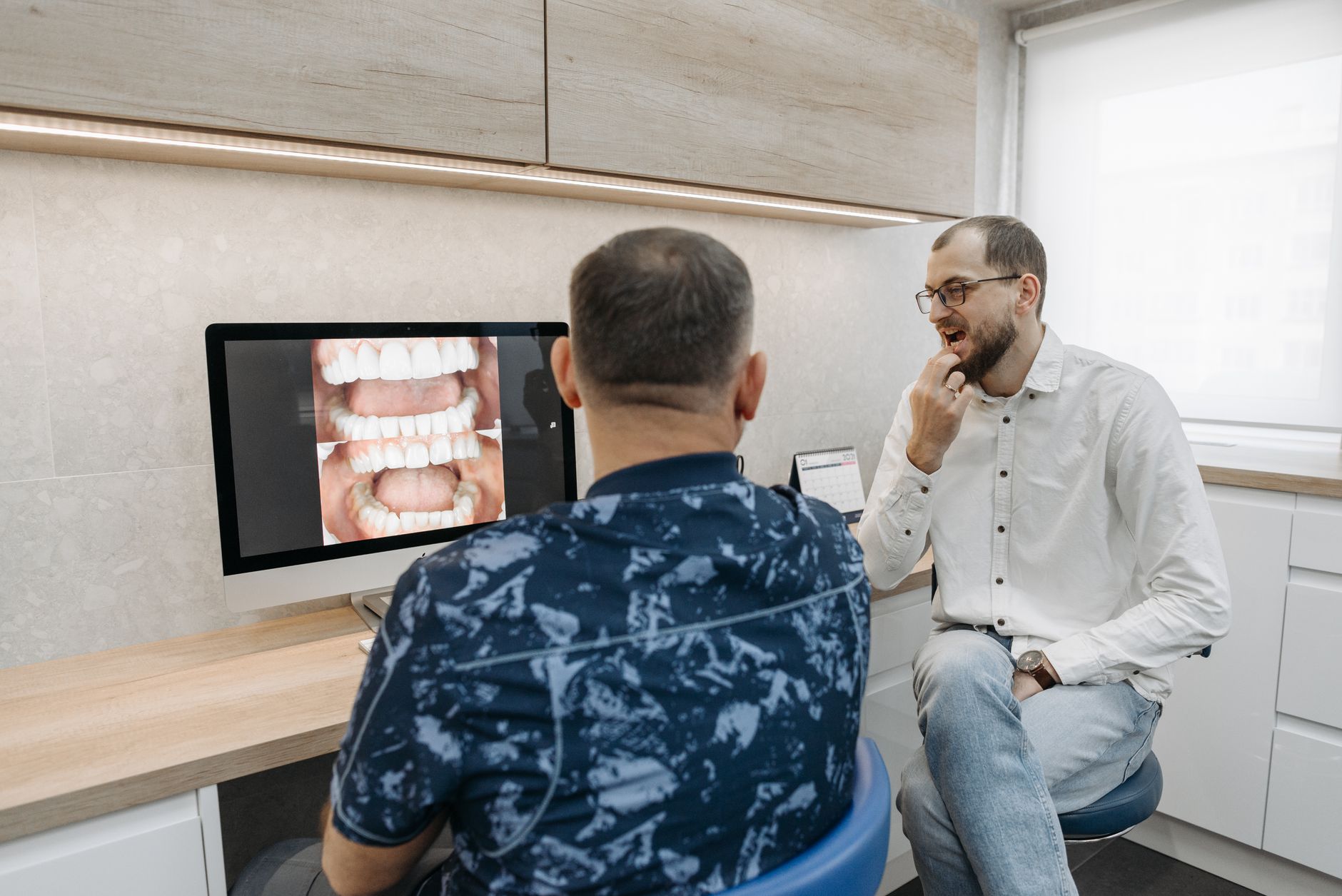
Photo by Pavel Danilyuk via Pexels
Why an abscess is different from an ordinary infection
For most infections in the body, a course of antibiotics is the whole cure, because the drug reaches the bacteria through a healthy blood supply. A tooth abscess breaks that rule in two ways.
First, it is walled off. Your body builds a barrier around the pus to stop it spreading, and that same wall keeps most of the antibiotic out. Enough gets in to slow the infection down. Not enough to clear it.
Second, the abscess usually starts from a dead nerve inside the tooth (the pulp), and a dead nerve has lost its blood supply entirely. Antibiotics cannot reach a chamber the blood no longer flows to. So the two places the infection actually lives are the two places a tablet struggles most to get to. Our guide to what a tooth abscess is covers how that pocket forms in the first place.
What antibiotics actually do for a tooth abscess
They are not useless. Antibiotics have a specific, limited job here: to hold a spreading infection in check while the real treatment is arranged, and to lower the risk when the infection has already moved beyond the tooth. A dentist usually prescribes them when there is:
- Facial swelling, or gum swelling that is spreading rather than staying in one spot
- Fever, swollen glands under the jaw, or feeling generally unwell alongside the tooth
- An abscess that needs settling before the tooth can be treated safely
- A weakened immune system, or certain heart conditions, where an infection carries more risk
A small abscess with no spreading swelling often does not need antibiotics at all. It needs draining and the tooth treated. When they are prescribed, finish the whole course, and leave the half-empty pack from last time in the drawer, because a leftover course does nothing for the source and only breeds resistance. Our companion post on whether antibiotics fix a tooth infection goes through this in more detail.
What actually cures a tooth abscess
An abscess settles for good only when the pus is released and the source is removed. Depending on the tooth, that is one of three things:
- Draining the abscess. Letting the trapped pus out drops the pressure and often brings fast relief. It is usually the first step whatever the cause.
- Root canal treatment. This cleans the infection out of the inside of the tooth and seals the space, so the tooth can be kept. It reaches exactly the chamber antibiotics cannot.
- Taking the tooth out. If the tooth is too broken down to save, removing it takes the source of the infection with it.
Antibiotics can run alongside any of these, but they are the support, never the cure on their own. How an infection is cleared from start to finish is on our dental infection treatment page.
Why "it feels better" is the dangerous part
Here is the trap that costs people teeth. You start the antibiotics, the throbbing eases over a day or two, the swelling goes down, and it feels solved. It is not. That relief is the antibiotic holding the infection back, not the pocket being cleared.
Then the course ends. Within days to a couple of weeks the abscess wakes back up, and it often comes back worse, because the tooth and the bone around it have had more time to take damage. Waiting to see whether an abscess sorts itself out is usually the more expensive choice, not the cheaper one. A tooth that needed a straightforward root canal in the quiet phase can turn into an extraction by the time it has flared twice. An abscess also will not go away on its own, and leaving the source untreated only sends it in one direction.
When an abscess is a hospital, not a dental appointment
Most of the time a tooth abscess is something to be seen for quickly, in the next day or two, rather than the next few minutes. But an abscess can spread, and some signs mean you should go straight to a hospital emergency room, not a dentist:
- Swelling spreading across your face or down into your neck
- Swelling closing an eye, or under the jaw and tongue so the floor of your mouth feels raised
- Trouble swallowing, breathing, or opening your mouth
- A high fever with a swollen face, chills, or confusion
Those signs mean the infection is pushing into spaces where it can threaten your airway, and no prescription moves fast enough to catch that. For anything short of it, a small abscess with no spreading swelling is not usually a middle-of-the-night emergency, but it is not something to leave for weeks either. If you are unsure how urgent yours is, facial swelling from a tooth infection and when a toothache is a real emergency help you judge it.
If you are on antibiotics for a tooth abscess and waiting for them to fix it, the tooth still needs treating. Call or WhatsApp 055-985-8845 and we will tell you honestly whether it needs seeing today. We are at Harav Kook 28/1 in Beit Shemesh, open Sunday to Thursday 8:00 AM to 8:00 PM and Friday 8:00 AM to 2:00 PM, with after-hours emergency treatment outside those hours. You can describe your symptoms or send a photo of any swelling, and we treat these at our clinic in Beit Shemesh.
For guidance from sources with nothing to sell, the ADA's MouthHealthy explains what a dental abscess is and why it needs treating, and the American Association of Endodontists covers how root canal treatment clears an infected tooth.
Still not sure? Message us.
Send Dr. Gabriel Joel, DMD a quick description of what's going on and we'll point you in the right direction.
Message on WhatsApp