
How Long After a Tooth Extraction Can I Eat? A Clear Timeline
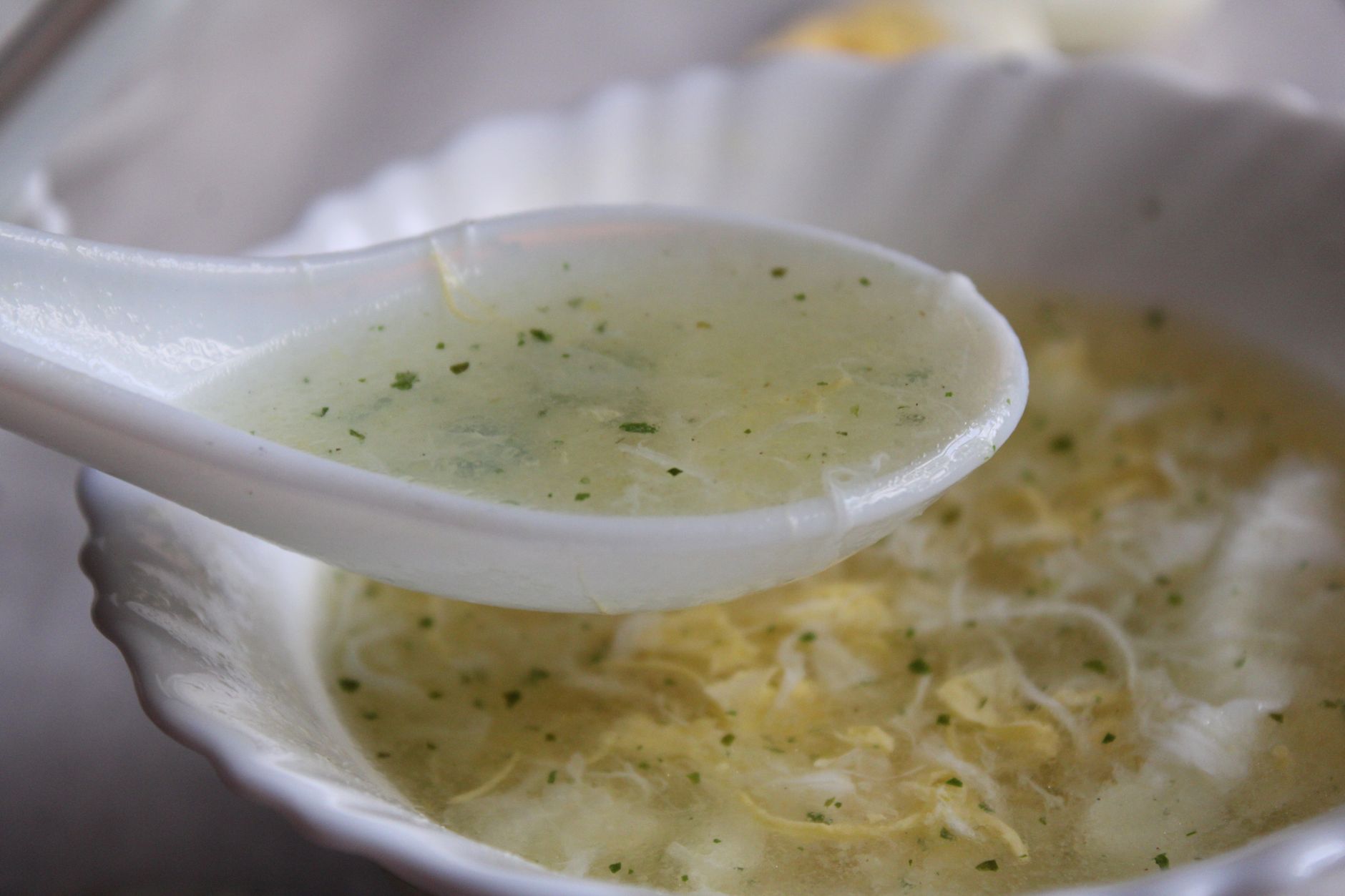
Photo by Jahra Tasfia Reza via Pexels
The first few hours: wait for the numbness
The anaesthetic usually lasts a few hours. Until you can feel your lip, cheek and tongue properly, do not eat anything that needs chewing, and do not eat hot food. You cannot judge temperature or how hard you are biting, and the most common injury after an extraction is a bitten lip or cheek.
Most people find this the longest part of the day. Cool water from a cup is fine while you wait, and so is sitting there being hungry. It passes.
Day one: soft, cool, no chewing
Once the numbness is gone, you can eat. Choose food you could manage with a spoon: yogurt, applesauce, a smoothie eaten with a spoon, blended soup that has cooled to lukewarm, mashed potato, scrambled egg. Eat on the side opposite the extraction.
Heat raises blood flow to the area and can loosen the clot that forms in the socket. That clot is what the gum and bone heal under, so nearly every rule about food comes down to leaving it alone. Why a straw is the one thing to avoid explains the other big one.
Days two to four: soft meals with more substance
From the second day you can add food that mashes easily with a fork: oatmeal, soft pasta, soft fish, cottage cheese, banana, hummus. Keep away from anything with seeds, small hard pieces or sharp edges, because they lodge in the socket and irritate it.
Days three and four are also when a dry socket tends to show itself, so these are the days to be careful rather than adventurous. Our guide to what to eat after a tooth extraction has a fuller list for each stage.
Days five to ten: back toward normal food
By about day five most people can try softer solids: tender chicken, well-cooked vegetables, soft bread without the crust. Let comfort decide. If something hurts, go back to softer food for another day and try again.
Crunchy and hard foods, such as nuts, chips, crusty bread and raw carrots, are usually the last to return, often after the first week. A surgical or wisdom-tooth extraction takes longer than a simple one, so give it more room. Tooth extraction recovery shows what healing looks like over the weeks that follow.
Eating after an extraction that falls on a Thursday in Beit Shemesh
The calendar matters here. Our clinic at Harav Kook 28/1 is open Sunday to Thursday 08:00 to 20:00 and Friday 09:00 to 17:00. Shabbat is reserved for genuine emergencies only.
An extraction on Thursday means your first soft-food days are Friday and Shabbat, with a table that has hard challah crusts and chicken on the bone. Plan ahead: soup that has cooled, the soft middle of the challah, food cut small, and the chewing done on the other side. If the pain is climbing rather than easing, call us on Friday rather than deciding to see how Shabbat goes. A deep ache that spreads toward the ear and does not respond to painkillers is the pattern to watch for, and what dry socket feels like describes it.
Dr. Joel trained in the United States and treats in both Hebrew and English, so you can describe a pain precisely instead of translating it.
When to call, and when not to
Mild soreness, a little swelling and some oozing on the first day are normal, and you do not need to call us about them. If you are eating without much trouble and the pain is easing each day, you are healing on schedule.
Call us, or your own dentist, if you have:
- Bleeding that has not slowed after biting firmly on gauze for an hour or two
- Pain that gets worse after day two or three instead of better
- Swelling that keeps growing after three days, or a fever
- A bad taste or discharge from the socket that does not settle
Go to a hospital, not a dental clinic, for heavy bleeding you cannot control, swelling spreading down the neck or closing an eye, or any trouble breathing or swallowing.
We handle tooth extractions and the aftercare that follows at our clinic at Harav Kook 28/1 in Beit Shemesh. Call or WhatsApp 055-985-8845, with after-hours emergency treatment outside our opening hours.
For guidance from sources with nothing to sell, the ADA's MouthHealthy explains what dry socket is and how to avoid it, and the American Association of Oral and Maxillofacial Surgeons covers recovery after having a tooth removed.
Common questions
How long after a tooth extraction can I eat solid food?
Can I eat right after the extraction, before the numbness wears off?
How long should I wait before drinking hot tea or coffee?
Is it a problem if I cannot eat much on the first day?
How long until I can chew on the extraction side?
Can I eat Shabbat meals after an extraction on Thursday?
Still not sure? Message us.
Send Dr. Gabriel Joel, DMD a quick description of what's going on and we'll point you in the right direction.
Message on WhatsAppDentist in Beit Shemesh — our dental clinic