
Can a Tooth Abscess Kill You? What the Real Risk Actually Is
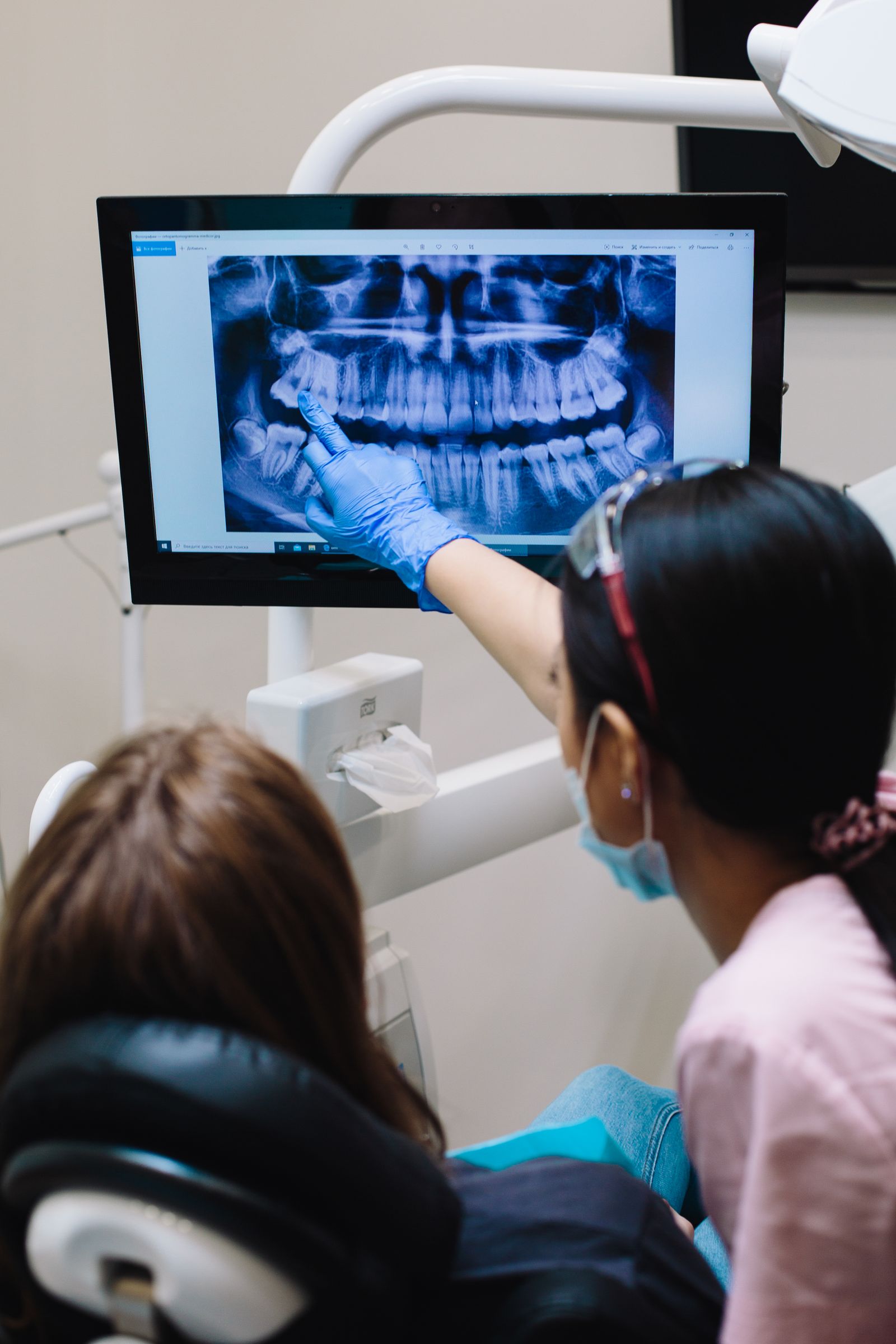
Photo by Polina Zimmerman via Pexels
How a Tooth Infection Actually Turns Dangerous
A dental abscess starts as a pocket of pus at the root of a tooth or beside it in the gum. Left untreated, it does not stay contained. It can track into the floor of the mouth and under the jaw (a spreading infection doctors call Ludwig’s angina), into the sinuses, or - in the worst cases - into the bloodstream as sepsis, where the infection is no longer local to the tooth at all. Before antibiotics existed, dental infection was a genuine cause of death; it still can be, in the rare case where someone ignores every warning sign for long enough. Our overview of what a tooth abscess is covers how it forms in the first place.
The Warning Signs That Mean Hospital, Not Dental Clinic
Most abscesses never get anywhere near this list. When one does, these are the signs that the infection has outgrown what a dental chair can treat:
- Swelling spreading across the face or down the neck, or growing visibly by the hour.
- Trouble breathing or swallowing, or a swelling under the jaw pushing the tongue upward.
- Swelling closing an eye, or spreading toward it.
- Fever, chills, or feeling genuinely unwell alongside the tooth pain.
Any one of those means an emergency room, tonight, not a dentist in the morning. Our guide to when a dental infection becomes a hospital emergency goes through each of these in more detail, and our post on a swollen face from a tooth covers the earlier stage before it reaches that point.
Why We Ask Before You Even Get in the Car
If those warning signs show up in Beit Shemesh late at night, the nearest hospital emergency room is a real drive away in Jerusalem, and that drive is worth making for genuine facial swelling or breathing trouble. It is not worth making for a sore tooth with a small gum boil and no fever, which is a dental appointment, not an ER visit. That is exactly why we ask about swelling, fever, and breathing on the phone before telling anyone where to go - the wrong destination costs time that matters in the rare cases where it is actually urgent.
Who Is Actually at Risk
The people who end up in the dangerous category are almost always the same profile: someone who ignored a painful tooth for weeks or months, often alongside diabetes or another condition that blunts the immune system’s ability to keep an infection contained. Waiting to see if it gets better is usually the more expensive choice, and with a tooth infection that is not just about cost - it is about how much smaller the problem was when it was still just a toothache.
What Actually Happens When You Get It Treated
For the overwhelming majority of people reading this, treatment is unglamorous: the pus is drained, the tooth is either saved with a root canal or removed, and the pain that brought you in resolves within a day or two. Antibiotics may be added to calm a spreading infection down first, but on their own they do not fix the tooth - our post on why antibiotics alone don’t cure a tooth infection explains why the tooth still needs treating either way. The scary version of this story is rare precisely because most people call before it gets there.
Worried about a swollen or infected tooth and not sure how urgent it is? Call or WhatsApp us at 055-985-8845 and tell us about any swelling, fever, or trouble breathing. If it can wait until morning, we will say so. If it needs seeing today, we will get you in, and if it needs a hospital instead of us, we will say that too. The clinic is at Harav Kook 28/1 in Ramat Beit Shemesh, open Sunday to Thursday 8:00 AM to 8:00 PM and Friday 9:00 AM to 5:00 PM, with after-hours emergency treatment outside those hours. You see Dr. Gabriel Joel, DMD, who trained in the United States, and the whole visit can be in English. Our tooth abscess treatment and emergency dental care pages explain how visits work.
For independent guidance, the ADA’s MouthHealthy explains what a dental abscess is and why it needs treating, and the American Association of Oral and Maxillofacial Surgeons has information on the more serious infections oral surgeons treat.
Common questions
Can a tooth abscess kill you?
What are the signs a tooth infection has become dangerous?
Can a tooth infection cause sepsis?
How long does it take for a tooth infection to become life-threatening?
Should I go to the hospital or the dentist for a tooth infection?
Can antibiotics alone stop a dangerous tooth infection?
Still not sure? Message us.
Send Dr. Gabriel Joel, DMD a quick description of what's going on and we'll point you in the right direction.
Message on WhatsAppDentist in Beit Shemesh — our dental clinic