
Is It Normal for Your Tooth to Hurt After a Root Canal?
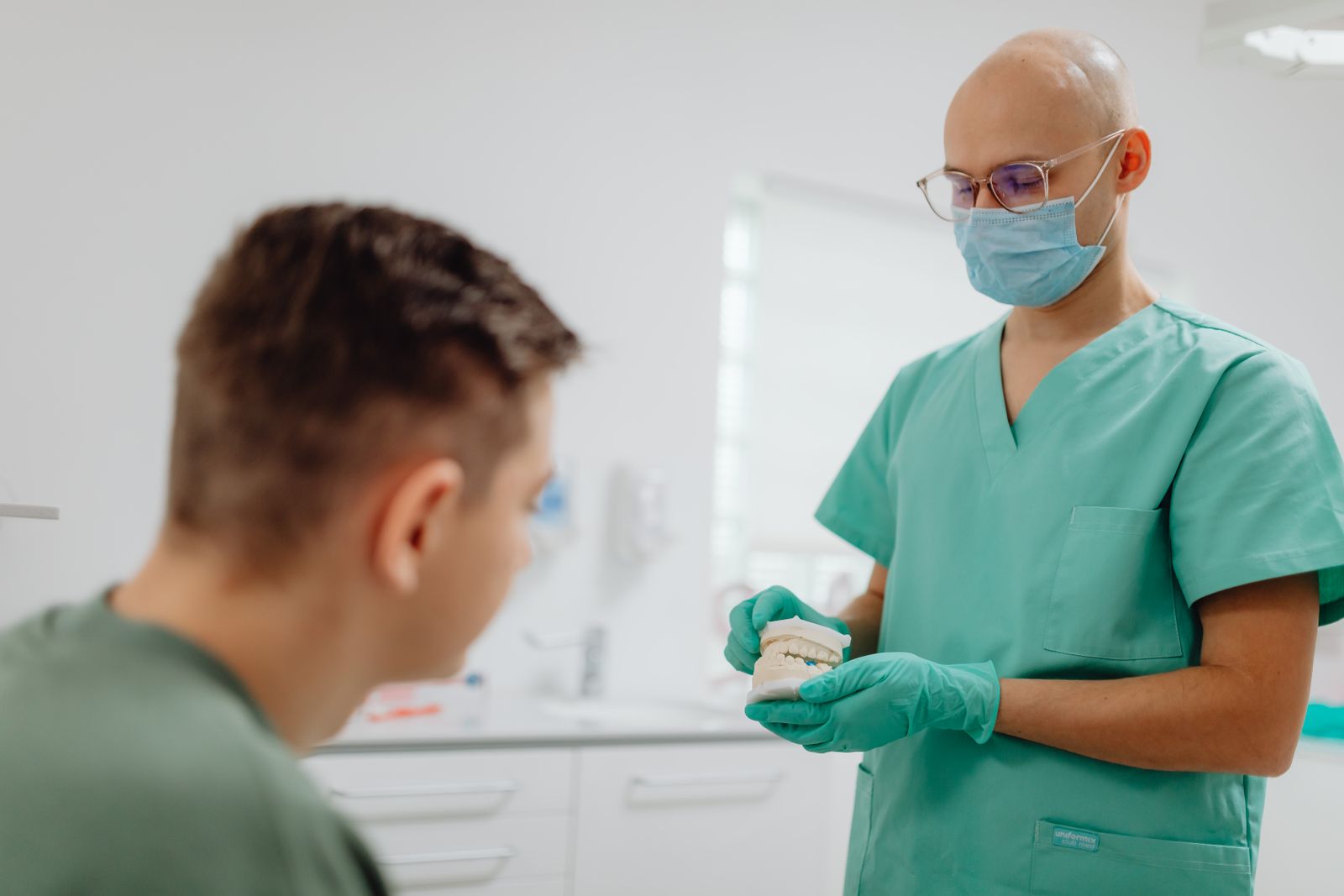
Photo by Kaboompics via Pexels
What Is Normal in the First Week
Nobody enjoys being told that the tooth we just treated is allowed to hurt, but it is. These things are expected:
- A dull, bruised feeling when you bite or press on the tooth, strongest on day one or two.
- Tenderness in the gum beside it, and a jaw that is a little stiff from being open for a long appointment.
- A rough edge or slightly strange bite from the temporary filling.
- Soreness that is a bit better each morning than the one before.
An over-the-counter painkiller taken as directed on the packet is enough for almost everyone. Our guide to root canal recovery, day by day lays out what each stage tends to feel like.
Why a Tooth With No Nerve Still Hurts
The root canal removes the pulp (the nerve inside the tooth), so it seems odd that anything is left to hurt. But the tooth sits in bone, held by a ligament and a gum that have their own nerve supply. That surrounding tissue is what complains, and it feels different from the pain that sent you in: a dull ache when you press, not the deep throb of an inflamed nerve.
Most people who come to us with this have already had one night of lying there wondering if it has gone wrong. Usually it has not.
What Is Not Normal
These are worth a phone call, not a wait-and-see:
- Pain that gets stronger after the third or fourth day instead of weaker.
- A throbbing ache that starts on its own, or wakes you at night.
- Swelling in the gum, cheek or face, or a bump on the gum.
- A bite that clearly hits first on that tooth.
- Pain that settled and then came back sharply.
- Any pain still going strongly after one to two weeks.
Most of the time the cause is small. A filling that sits a fraction too high is the usual one, and it is a five-minute adjustment. Less often it is a crack, a canal that needs another look, or a flare-up of an old infection. Our guide to a tooth that still hurts after a root canal goes through each cause, and the signs a root canal has not held are listed separately.
When It Flares Up Late on a Friday in Beit Shemesh
Pain has a talent for waiting until the clinic is about to close. We are open Sunday to Thursday 8:00 AM to 8:00 PM and Friday 9:00 AM to 5:00 PM. Shabbat is for genuine emergencies only, and after-hours emergency treatment is available outside those hours. We do not quote a response time, because we would rather give you an honest answer on the phone than a number we cannot promise.
It also helps to be able to describe the pain in English, or Hebrew, whichever you think in at that hour. Dr. Joel treats in both, and "it hurts when I bite on the left" gets you to the right fix faster than a translated version of it. Same-day appointments are often possible at the Beit Shemesh clinic.
What to Do While You Wait to Be Seen
- Take a painkiller you normally tolerate, at the dose on the packet. See what to eat after a root canal and keep to soft food on the other side of your mouth.
- Rinse gently with warm salt water a few times a day.
- Avoid chewing on the tooth until the permanent restoration is in. A root-treated tooth is more brittle, which is why the crown matters.
- A cold compress on the outside of the cheek helps if it is puffy.
When to Go to a Hospital Instead
Do not come to us first if swelling is spreading toward your eye or down your neck, if you have trouble breathing or swallowing, or if you have a high fever with chills. Those mean infection has moved beyond the tooth, and an emergency room can manage it in a way a dental chair cannot. It is uncommon after a root canal, but if it happens the hospital comes first. A mild ache on day two is not that, and does not need a panicked call.
If your tooth is sore but improving, you are probably fine and can let it settle. If it is climbing, throbbing by itself or swelling, call or WhatsApp us at 055-985-8845 and describe how it is behaving. We will tell you how soon you need to be seen, give you the cost before anything starts, and if it can safely wait, we will say so. We are at Harav Kook 28/1, Beit Shemesh. Our root canal and emergency dentist pages explain how urgent visits work.
For independent guidance, the ADA's MouthHealthy explains what root canal treatment involves, and the American Association of Endodontists covers recovery after treatment and the symptoms of an inflamed or infected tooth.
Common questions
How long is it normal for a tooth to hurt after a root canal?
Is it normal for the tooth to hurt when I bite after a root canal?
Is throbbing pain normal after a root canal?
Can I take painkillers after a root canal?
Can I be seen the same day in Beit Shemesh if my root canal tooth hurts?
When should I worry about pain after a root canal?
Still not sure? Message us.
Send Dr. Gabriel Joel, DMD a quick description of what's going on and we'll point you in the right direction.
Message on WhatsAppDentist in Beit Shemesh — our dental clinic