
Root Canal During Pregnancy: Is It Safe to Have One?
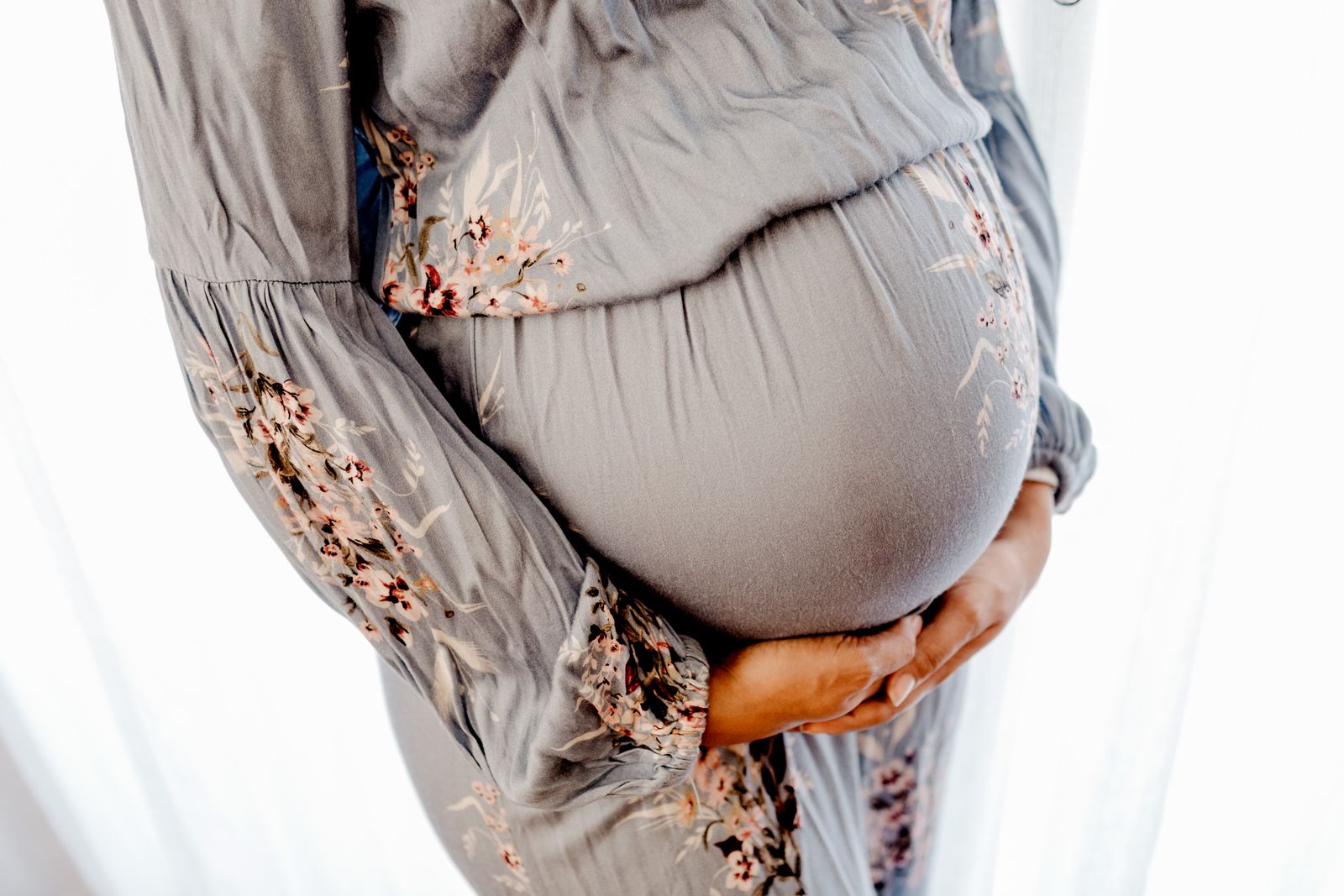
Photo by Jonathan Borba via Pexels
Is a Root Canal Safe During Pregnancy?
Yes. A root canal removes infection from inside the tooth, and both dental and obstetric guidance treat it as necessary care that can be done while you are pregnant. The reasoning is simple: an untreated infection in your mouth is a real problem for your body, and leaving one to spread for months is worse for you and the baby than a routine dental procedure. Whether a root canal is safe in general covers how the treatment itself works.
What changes when you are pregnant is the timing and a few small precautions, not whether the treatment can be done at all. Tell your dentist you are pregnant and how many weeks along you are before anything starts. That one fact lets them pick the right moment, the right position in the chair, and the right medication.
The Second Trimester Is the Easiest Window
If your tooth can wait a little, the middle of the pregnancy is the calmest time to have a root canal. Here is roughly how the three trimesters differ:
- First trimester (weeks 1 to 12). This is when the baby's organs are forming, so dentists hold off on non-urgent treatment where they can. A real emergency still gets treated, but elective work usually waits.
- Second trimester (weeks 13 to 27). The usual sweet spot. The early sensitivity has settled, the bump is not yet large, and lying back in the chair is still comfortable. Non-urgent root canals are best booked here.
- Third trimester (weeks 28 to 40). Treatment is still safe, but lying flat for a long appointment gets uncomfortable, and lying on your back can press on a large vein and leave you light-headed. Shorter visits and a slight tilt to the left side help.
None of this means a painful, infected tooth should be timed around the calendar. It means that if you have a choice, the second trimester is the one to aim for. How long a root canal can safely wait is worth reading if you are weighing the timing.
What About the Anaesthetic and the X-ray?
These are the two things pregnant patients ask about most, and both are more reassuring than they sound.
The numbing injection. The local anaesthetic used for a root canal, usually lidocaine, is considered safe in pregnancy in the amounts used for dental work. Being properly numb matters more than usual now, because pain and stress are not good for you either. There is nothing to gain from gritting through a procedure unmedicated.
The X-ray. A root canal needs an X-ray to see the roots, and a single dental X-ray is a very small dose of radiation aimed at your mouth, not your abdomen. With a lead apron and a thyroid collar covering you, necessary dental X-rays are considered safe during pregnancy. Your dentist will still skip any image that is not needed, but will not withhold one that is.
When the Tooth Cannot Wait Until After the Birth
It is tempting to hope a sore tooth will hold on until after the birth so you can deal with it then. With a genuine infection, that plan usually backfires. Waiting to see whether it settles on its own is rarely the safer choice, because an infection does not pause for a due date, and a tooth that could be saved now can turn into a spreading problem that is harder to treat while pregnant.
Signs a tooth should be seen soon rather than parked until after the birth:
- Pain that keeps you awake or does not respond to the pain relief your doctor has cleared
- A pimple-like bump on the gum, often a sign of an abscess draining
- Swelling around the tooth or in the face
- A bad taste, or a tooth that is tender to bite on
Treating an infection is better for the pregnancy than leaving it. If you are not sure how urgent yours is, call and describe it, and we will tell you honestly whether it needs seeing now or can wait for the better window. The symptoms that point to a root canal can help you read what is going on.
Managing Pain and Infection Safely While Pregnant
Anything you take for a dental problem while pregnant should be run past the doctor or midwife caring for your pregnancy. As a general guide:
- Paracetamol (acetaminophen) is normally the first choice for dental pain in pregnancy.
- Ibuprofen and other anti-inflammatories are usually avoided in pregnancy, particularly in the third trimester. Do not reach for them without medical advice.
- Antibiotics, if an infection needs them, come in several forms considered safe in pregnancy, and your dentist will avoid the ones that are not, such as tetracycline, which can affect the baby's developing teeth.
None of these is a substitute for treating the tooth. Painkillers quiet the symptom; the root canal deals with the cause. If you find yourself topping up pain relief for days just to get through, that is the tooth telling you it needs looking at.
When to Skip the Dentist and Call a Doctor Instead
Most pregnancy toothaches are a dental problem with a dental fix. A few situations are not, and they matter more when you are pregnant.
Go straight to a hospital, not a dental chair, if you have swelling spreading across the face, closing an eye or reaching down the neck, any trouble swallowing or breathing, or a fever alongside facial swelling. Those are signs an infection is moving beyond the tooth, and in pregnancy that is treated urgently.
Separately, anything that is a pregnancy symptom rather than a tooth symptom, such as bleeding, cramping, reduced movement, or a bad headache with vision changes, is a call to your obstetrician or midwife, not your dentist. And if your pregnancy is high-risk or your doctor has asked to approve any procedures, bring them in before you book. A good dentist would rather coordinate with them than work around them.
If you are pregnant and have a tooth that needs a root canal, message or call and tell us how far along you are, and we will plan it around the safest window and keep your appointment as short and comfortable as we can. Call or WhatsApp 055-985-8845. We are open Sunday to Thursday 8:00 AM to 8:00 PM and Friday 9:00 AM to 5:00 PM, with after-hours emergency treatment outside those hours, and we handle root canal treatment and emergency dental care in Ramat Beit Shemesh. A sore tooth is one thing you do not have to carry to the delivery room.
For guidance from sources with nothing to sell, the American Association of Endodontists explains what root canal treatment involves and why saving your natural tooth is worth it, and the ADA's MouthHealthy covers what a root canal is and when it is needed.
Common questions
Is it safe to have a root canal while pregnant?
Which trimester is best for a root canal?
Can I have a dental X-ray while pregnant?
Is the numbing injection safe during pregnancy?
What can I take for tooth pain while pregnant?
Can I wait until after the baby to have a root canal?
Are antibiotics safe for a tooth infection in pregnancy?
Still not sure? Message us.
Send Dr. Gabriel Joel, DMD a quick description of what's going on and we'll point you in the right direction.
Message on WhatsAppDentist in Beit Shemesh — our dental clinic