
Do Wisdom Teeth Always Need to Come Out? What Decides It
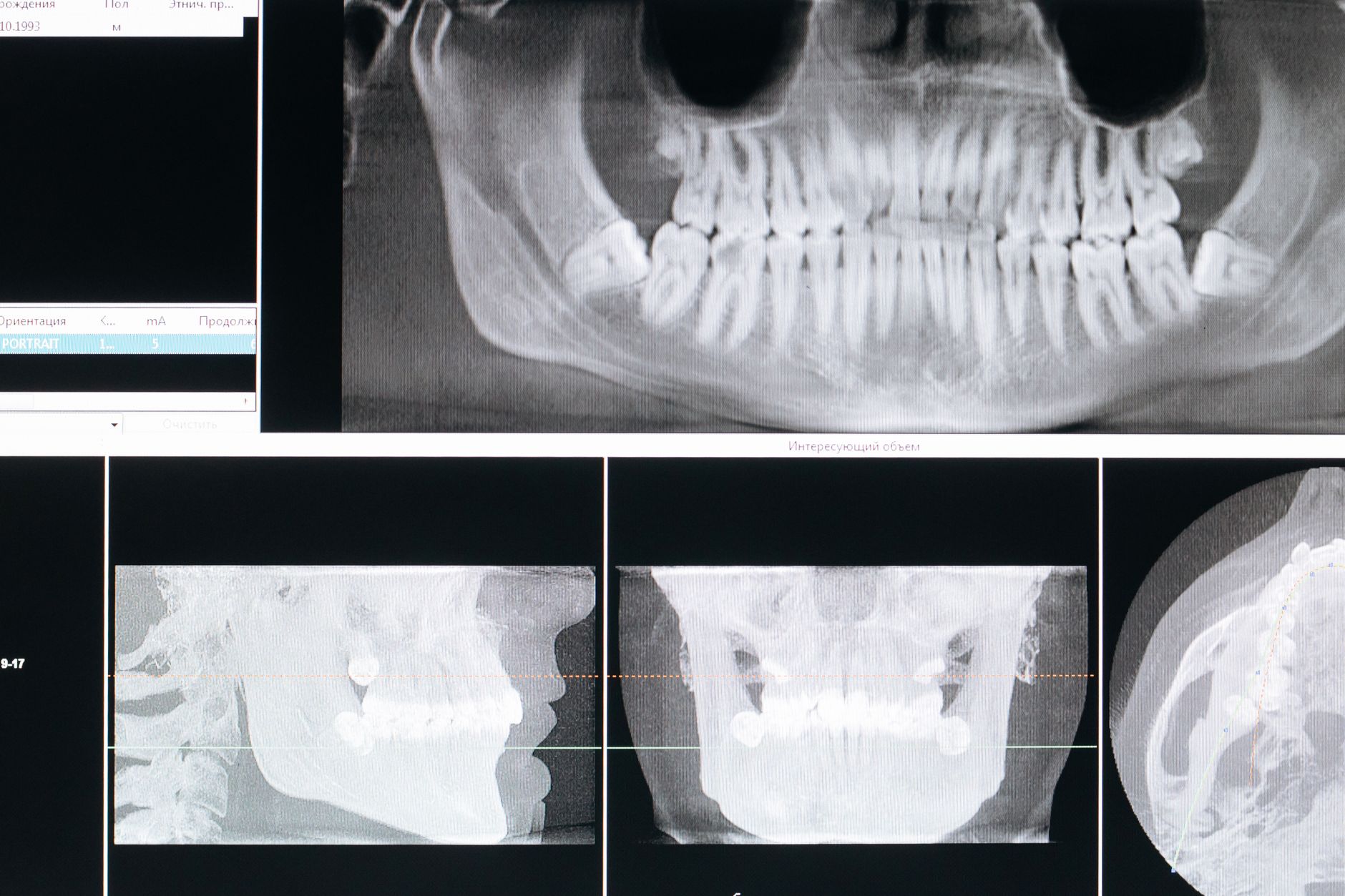
Photo by cottonbro studio via Pexels
When a wisdom tooth can stay
Most of the argument is about teeth that are not causing anybody a problem. A wisdom tooth earns its place if all of this is true:
- It has come fully through the gum and sits upright, in line with the tooth in front of it.
- A toothbrush actually reaches it. If the bristles get to the back surface and floss goes between it and its neighbour, it can be kept clean.
- The gum around it is calm. No flap half-covering the biting surface, no swelling, no bleeding when you brush there.
- It bites against something. An upper wisdom tooth with no lower partner slowly drifts down out of the gum over the years.
- Neither it nor the tooth in front of it is decayed.
A wisdom tooth ticking all five is just a tooth. Take it out and you have removed something healthy and gone through a recovery for nothing. The ADA's patient guidance on wisdom teeth takes the same line.
When a wisdom tooth does need to come out
These are the reasons that hold up, and every one is about damage the tooth is actually doing.
- Infection under the gum flap, more than once. Pericoronitis (infection in the flap of gum half-covering an erupting tooth) settles with a clean and sometimes antibiotics, then returns the next time you are run down.
- Decay, in the wisdom tooth or in the tooth in front. A tooth tilted forward traps food against the back of the second molar in a spot no brush reaches. That second molar is worth far more than the wisdom tooth, and it is usually the one lost.
- It is impacted and pressing into its neighbour. Steady pressure on the root of the tooth in front can resorb it, meaning the root dissolves where the wisdom tooth leans on it.
- A cyst around a buried crown. Uncommon, usually painless, and only ever found on an X-ray.
- It bites your cheek at every meal. An upper wisdom tooth leaning outward chews the cheek raw.
Pain on its own is not automatically on this list. Wisdom tooth pain is sometimes a tooth still finding its way through, and that settles. Pain that keeps coming back to the same tooth is the one to act on.
The X-ray decides, not the calendar
Age is a poor reason to remove a wisdom tooth, and so is the fact that a friend had all four out at nineteen. The film shows three things you cannot see in a mirror.
- Which way the tooth is lying. Upright, tilted forward against its neighbour, sideways, or occasionally upside down.
- How much bone is over it. That is the difference between a tooth lifted out in a few minutes and a surgical extraction through the gum.
- How close the roots sit to the nerve. In the lower jaw, the nerve supplying the lip and chin runs directly beneath those roots. If they wrap around it, removal carries a real risk of lasting numbness in the lip, and that risk has to be worth taking.
This is why a deeply buried, fully covered, symptom-free wisdom tooth is often left exactly where it is: taking it out costs more than leaving it does. The AAOMS guidance on managing wisdom teeth covers the surgical side of the argument in full.
Wisdom teeth flare at the worst moment, and here that often means Friday
A gum flap over a half-erupted lower wisdom tooth can go from mildly annoying to a jaw that will not open properly in about a day and a half. Our hours are Sunday to Thursday, 8:00 to 20:00, and Friday 9:00 to 17:00, Shabbat for emergencies only. So a Thursday-evening flare-up and a Friday-morning one are different problems: one has a full working day in front of it, the other has two hours.
If it starts on Friday morning, call then rather than deciding to see how the weekend goes. Same-day appointments are possible at the Beit Shemesh clinic, and a wisdom tooth infection caught while the swelling is still local is a clean-out and a plan rather than a weekend of ibuprofen and guessing. Dr Joel trained in the United States and treats in Hebrew and English, which for the Anglo community in Beit Shemesh means describing the pain precisely rather than approximately. With a jaw that only opens a centimetre, that matters more than it sounds.
When it can wait, and when to skip us entirely
Plenty of wisdom tooth questions do not need an appointment this week.
- It ached for a day while coming through, then stopped. Mention it at your next check-up.
- A dull awareness at the back, no swelling, no bad taste. Worth a look eventually, not worth a Thursday night.
- Four healthy, upright, cleanable wisdom teeth and a recommendation to remove all of them anyway. Ask why, tooth by tooth, before agreeing. Our list of questions worth asking before treatment covers exactly this conversation.
Go to a hospital emergency room rather than a dental clinic if swelling from a lower wisdom tooth is spreading under the jaw or into the floor of the mouth, if your tongue is being pushed upward, if breathing or swallowing is difficult, or if you cannot open your mouth more than a finger's width and have a fever with it. That infection has moved past what a dental chair can safely deal with, and it needs medical care first.
If a wisdom tooth keeps flaring, keeps trapping food, or has been recommended for removal and you want a straight answer, the next step is a film and ten minutes of looking at it. Urgent Dental Care is at Harav Kook 28/1 in Beit Shemesh. WhatsApp or call 055-985-8845. If it does need to come out, what the extraction involves and how long the soreness lasts are both written up already, and tooth extraction in Beit Shemesh is done here under local anaesthetic.
Common questions
Should wisdom teeth be removed before they cause problems?
Is it worse to have wisdom teeth out later in life?
Can a wisdom tooth that never came through still cause trouble?
Do all four have to come out at the same time?
Can I get a wisdom tooth looked at the same day in Beit Shemesh?
Will removing my wisdom teeth stop my front teeth from crowding?
Still not sure? Message us.
Send Dr. Gabriel Joel, DMD a quick description of what's going on and we'll point you in the right direction.
Message on WhatsAppDentist in Beit Shemesh — our dental clinic