
White Tissue in an Extraction Socket: Is It Normal or Not?
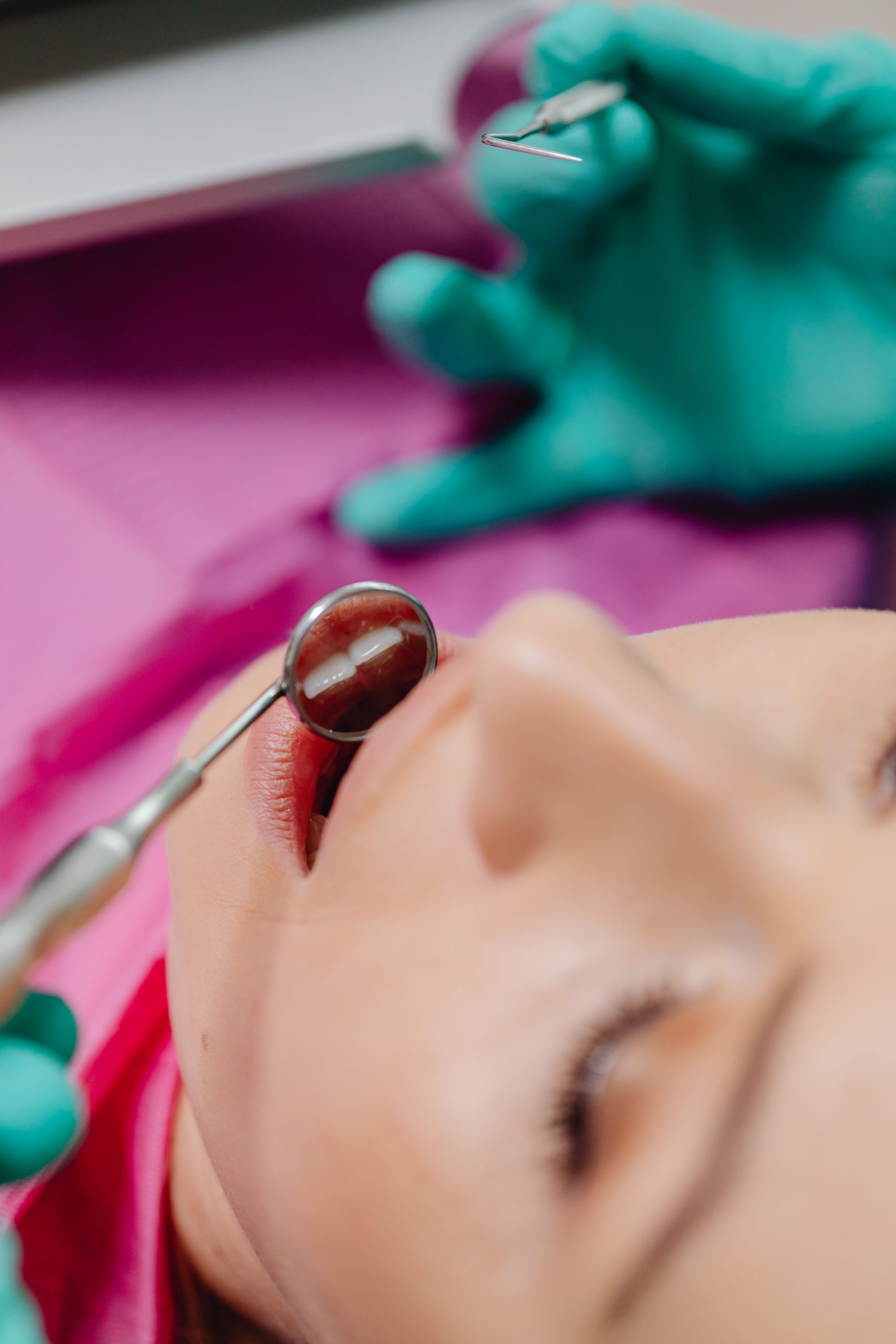
Photo by kaboompics via Pexels
Why the Socket Turns White or Yellow
Right after the tooth comes out, the socket fills with a dark red blood clot. Over the next few days the surface of that clot is replaced by granulation tissue (the soft, pale-pink to whitish-yellow tissue the body lays down first when it repairs a wound). It looks like the inside of your lip after you bite it: a pale, slightly fuzzy patch.
That colour change is progress. Most people open wide in the bathroom mirror on day three, see white where there was red, and conclude the worst. The usual answer is boring.
The gum then closes over the top slowly, across a few weeks. Our page on tooth extraction healing time has the full timeline.
What Normal Looks Like
- A white, cream or yellowish layer sitting in the socket, soft and slightly uneven.
- Pain that is highest in the first day or two, then eases a little each day.
- A mild taste or slight odour that clears when you rinse gently with salt water.
- Gum edges that are pink or a little red, and sore to touch.
- Small food particles caught in the hole, which are also white and also harmless once rinsed out.
If most of that describes you, leave it alone. Do not poke it with a finger, a toothpick or your tongue. The tissue is doing a job.
When White Means a Dry Socket Instead
A dry socket (the clot has come away early and the bone underneath is exposed) can also look white, which is why people confuse the two. The difference is mostly in how it feels.
- The pain gets worse around day two to four, when it should be easing.
- It is a deep, throbbing ache that may reach the ear or the side of the face.
- The socket looks empty, and the white you can see is hard and smooth, like bone, rather than soft tissue.
- There is a bad taste or smell that rinsing does not shift.
- Ordinary painkillers barely touch it.
This is one to come in for. A dry socket does not heal faster by waiting, and a short dressing appointment usually settles the pain quickly. Read how to recognise dry socket after an extraction and why extraction pain can peak on day three for the detail.
When White Means Pus or Infection
Pus is different from healing tissue. It is a thicker, creamy discharge, often with a sour taste, and it comes with other signs: swelling of the cheek or jaw, a raised temperature, or a lump on the gum next to the socket.
Swelling that is spreading, or any trouble swallowing or breathing, is not a clinic-first problem. Go to the nearest hospital emergency department. For a localised swelling when you are otherwise well, message us the same day. We see infection after extraction regularly, including extractions done elsewhere.
If It Looks Wrong on a Friday Afternoon in Beit Shemesh
Sockets have a talent for looking alarming at the worst hour, usually Thursday night or just before Shabbat. During the week, same-day appointments are possible at Harav Kook 28/1. Shabbat is for genuine emergencies only, so if the pain is severe or there is swelling, message us on WhatsApp rather than waiting for Sunday.
You can describe what you see in English or Hebrew, which helps here: "white and soft" and "white and hard" point to very different things. Ramat Beit Shemesh patients are a short drive away and can read about tooth extraction in Ramat Beit Shemesh, or see our tooth extraction service in Beit Shemesh.
What to Do Until You Are Sure
- Rinse gently with warm salt water after meals, from day two. Let the water fall out of your mouth; do not swish hard.
- No straws, no smoking, and nothing that creates suction for the first days.
- Brush the other teeth as normal and keep the brush away from the socket.
- Take a painkiller you already tolerate, as the packet says.
- If a photo on your phone looks like bone, or the pain is rising, book a visit.
For plain guidance from a source with nothing to sell, see the ADA's MouthHealthy pages on dry socket and tooth extractions. The American Association of Oral and Maxillofacial Surgeons also publishes patient information at aaoms.org.
If the socket is getting more painful instead of less, or you simply want someone to look at it, message Urgent Dental Care in Beit Shemesh on WhatsApp or call 055-985-8845. You see one dentist, Dr. Gabriel Joel, DMD. If it is soft, pale and getting easier each day, you can stay home.
Common questions
Is it normal for an extraction site to be white?
How can I tell white tissue from dry socket?
Is the white stuff in the socket pus?
Should I clean the white tissue out?
When should I come in from Beit Shemesh?
How long does the white tissue stay?
Still not sure? Message us.
Send Dr. Gabriel Joel, DMD a quick description of what's going on and we'll point you in the right direction.
Message on WhatsAppDentist in Beit Shemesh — our dental clinic