
Urgent Root Canal in Jerusalem: When You Need One Now
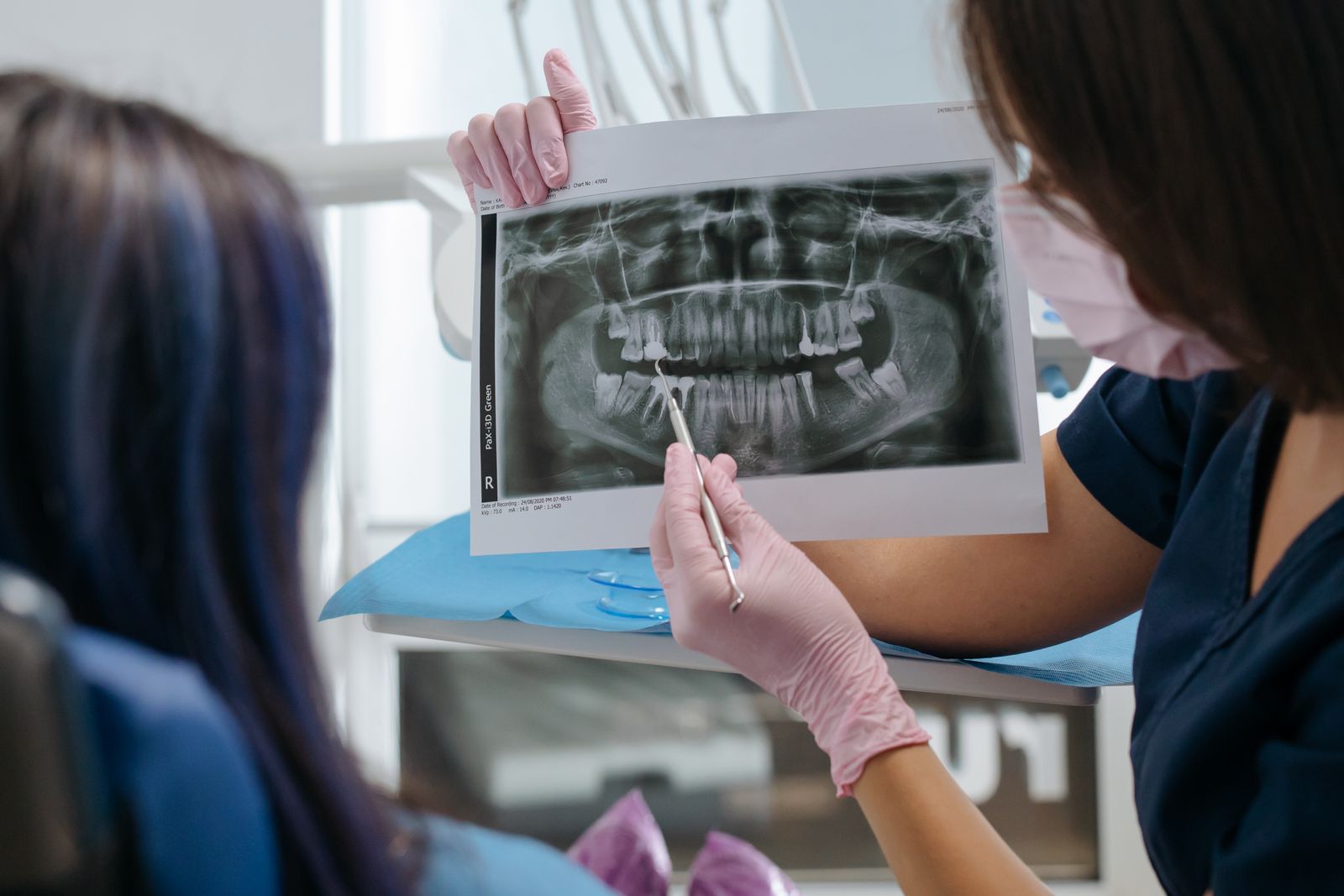
Photo by cottonbro studio via Pexels
When a Root Canal Becomes Urgent
A root canal clears infection or inflammation out of the pulp, the nerve inside the tooth, and seals the space so bacteria cannot get back in. Plenty of teeth that need one are not emergencies. If the tooth aches now and then but settles quickly, it can usually be booked as a normal appointment.
It becomes urgent once the infection is active. That shows up as pain that lingers long after the trigger is gone, pain that starts on its own with nothing touching the tooth, or the first signs of swelling around the gum or face. At that point the tooth is not going to settle on its own. Waiting to see if it gets better is usually the more expensive choice, because a tooth that could have had a straightforward root canal ends up needing retreatment or pulling instead.
Warning Signs You Should Not Wait On
Call the same day if you have any of these:
- Constant, throbbing pain that painkillers only dull, especially if it keeps you awake at night.
- Pain that lingers for more than a few seconds after something hot or cold touches the tooth.
- Pain when you bite down, or a tooth that feels raised, which can mean the infection has reached the tip of the root.
- A pimple-like bump on the gum near the tooth, sometimes leaking a bad taste. That is a draining abscess.
- Swelling in the gum, cheek, or jaw.
- A tooth that has gone dark, or a filling or crown that recently broke and now hurts.
Our guide on when a root canal counts as an emergency goes through each of these in more detail.
Getting Seen Quickly Near Jerusalem
If you are in Jerusalem, you have two realistic routes for an urgent tooth: wait for a slot at your kupah (health fund) clinic, or see a private dentist who can fit you in sooner and treat the tooth in one place. When a tooth is genuinely infected, the wait is the problem, not the treatment itself.
Our clinic is in Ramat Beit Shemesh, a short drive from Jerusalem, and we treat Jerusalem-area patients in English by appointment. We keep same-day slots open for urgent teeth, so call first and tell us how the tooth is behaving. That lets us decide how soon you need to be in the chair. For more on the options, see our posts on getting a root canal in Jerusalem and whether a root canal can be done in a single day.
How We Get the Pain Down Fast
The first job at an urgent visit is stopping the pain, not lecturing you about how the tooth got here. We numb the tooth thoroughly, and one that has been throbbing for days usually goes quiet within minutes of the anaesthetic taking hold.
From there we open the tooth, clean the infected pulp out, and release the pressure that was driving the ache. Depending on the tooth and how much infection there is, we either finish the root canal in that visit or place a dressing to settle it and complete the work shortly after. Modern anaesthetic is why the appointment itself is usually uneventful, whatever reputation the procedure has. If fear is what is holding you back, our guide on whether a root canal really hurts is worth a read first.
What to Do Until You Are Seen
While you wait for the appointment, the aim is to take the edge off without masking anything the dentist needs to see.
- Take painkillers you normally tolerate, following the packet. Ibuprofen tends to work well on dental pain because it targets the inflammation, and it can be alternated with paracetamol if one alone is not enough.
- Keep your head propped up, including at night. Lying flat sends more blood to the area and makes the throbbing worse.
- Avoid very hot, very cold, and hard or chewy food on that side.
- A cold compress against the cheek can help if there is swelling.
Antibiotics from a leftover packet are not a fix. They can quiet an infection for a few days without treating the tooth, and the pain returns. Our guides on which painkillers actually help and how to sleep with a toothache cover the safe options.
When It's a Hospital, Not a Dentist
Most urgent teeth are a dental problem, not a medical one, and the right place is a dental chair. But a few situations are past what a clinic can safely handle, and going to the wrong place costs time you may not have.
Go straight to a hospital emergency room, not a dentist, if swelling is spreading toward your eye or down into your neck, if you are having trouble breathing or swallowing, or if you have a high fever alongside a bad tooth. Those are signs a dental infection is turning serious, and they need medical care first. Our guide on facial swelling from a tooth infection explains where that line is.
If you think you need an urgent root canal and you are in or near Jerusalem, call or WhatsApp us at 055-985-8845 and tell us how the tooth is behaving. We will tell you how soon you need to be seen, give you the price for your case before anything starts, and if it can safely wait, we will say so. We are at Harav Kook 28/1 in Ramat Beit Shemesh, a short drive from Jerusalem, open Sunday to Thursday 8:00 AM to 8:00 PM and Friday 8:00 AM to 2:00 PM, with after-hours emergency treatment outside those hours. You see one dentist, Dr. Gabriel Joel, DMD, who trained in the United States, and the whole visit can be in English. Our root canal treatment and emergency dental care pages for Jerusalem patients explain how visits work.
For guidance from sources with nothing to sell, the ADA's MouthHealthy explains how to handle a dental emergency, and the American Association of Endodontists has patient information on root canal treatment.
Still not sure? Message us.
Send Dr. Gabriel Joel, DMD a quick description of what's going on and we'll point you in the right direction.
Message on WhatsApp