
Tooth Extraction on Blood Thinners: What Actually Happens
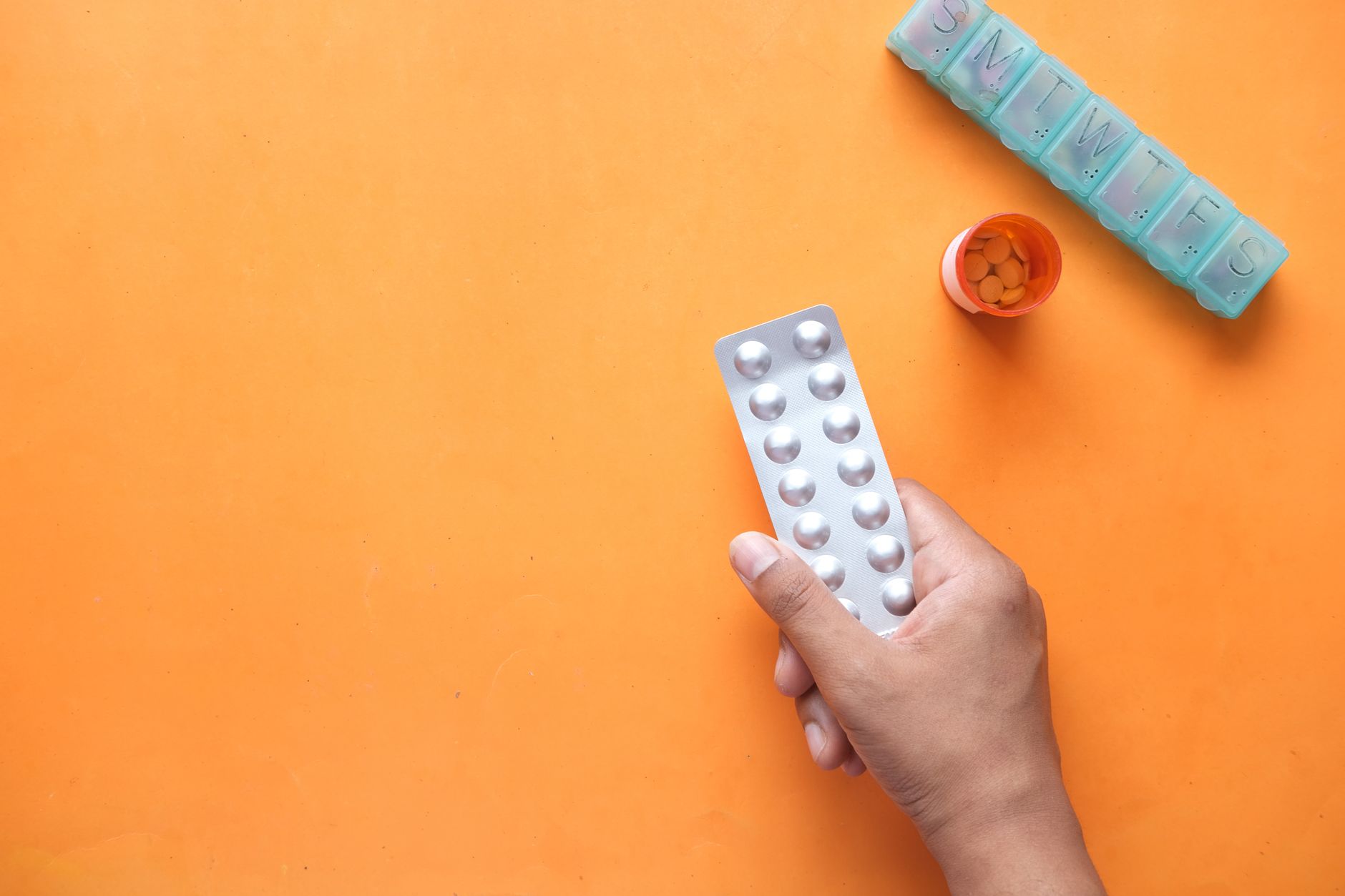
Photo by Towfiqu barbhuiya via Pexels
Which Blood Thinner You Take Changes the Answer Slightly
"Blood thinner" covers two families of drug, handled differently.
- Antiplatelets: aspirin, clopidogrel (Plavix), sometimes both together. Not stopped for a routine extraction.
- Warfarin (Coumadin): continued, but only once we have seen a recent INR reading.
- The newer anticoagulants: apixaban (Eliquis), rivaroxaban (Xarelto), dabigatran (Pradaxa), edoxaban. Usually continued as normal. For a bigger surgical removal, the prescribing doctor may ask you to delay or skip the morning dose on the day. One dose, decided by them, not a week off decided by us.
Bring the box, or the medication printout from the kupah. "A small white one for my blood" narrows it down less than you would hope.
A fair number of people arrive having already stopped the tablets three days earlier on their own initiative. It is the one bit of preparation we would rather you skipped. Any change to an anticoagulant belongs to the doctor or clinic who put you on it.
Warfarin and the INR Reading
Warfarin is the one that needs a number before anything happens. Your INR says how thin the blood actually is today, which is not always what the dose suggests.
Standard practice is to take the tooth out without altering the dose when the INR is below 4 and the reading is recent: within 24 hours of the appointment, or up to 72 hours if your results have been stable for months. Above 4, or with no current reading at all, we postpone and speak to whoever manages your anticoagulation first.
The kupah does this test routinely. Book it for the day before and bring the result with you; we cannot pull it up on our screen.
What We Do Instead of Stopping the Medication
The bleeding is managed at the socket rather than in your bloodstream. That is the whole trick. The ADA's patient guide to extractions covers the ordinary procedure; on an anticoagulant we add to it.
- Gentler, and less at a time. One tooth, or one corner of the mouth, rather than four in a sitting.
- A dressing in the socket. An absorbable sponge goes into the hole and the gum is stitched closed over it.
- Twenty minutes of firm pressure on a gauze pack before you leave, checked by us rather than by you in the car.
- Tranexamic acid mouthwash where the case warrants it, to hold the clot in place over the first day.
- An early appointment, early in the week. Explained below, because here that is not only a diary question.
What none of this involves is a week without your medication.
Why We Book These for Sunday Morning, Not Friday Afternoon
We are open Sunday to Thursday 8:00 AM to 8:00 PM and Friday 9:00 AM to 5:00 PM, Shabbat for emergencies only. For most extractions that timetable is a detail. On a blood thinner it is part of the plan.
A socket that starts oozing on Sunday afternoon means picking up the phone. The same socket at 3pm on Friday means a night and a full day of pressing gauze and wondering whether this is normal. So planned extractions for patients on anticoagulants get a Sunday-to-Wednesday morning slot. An infected tooth with a swelling comes out on the day it needs to, whatever day that is. Our tooth extraction page for Beit Shemesh has the practical detail, and Ramat Beit Shemesh is about two kilometres from the chair.
Dr. Joel trained in the United States and treats in Hebrew and English, so "Eliquis, five milligrams, twice a day, since the atrial fibrillation in March" arrives intact rather than approximately. That precision matters more here than in most of dentistry.
Aftercare When You Are on a Thinner
The instructions are the ordinary ones, followed more strictly. The ADA post-operative instructions are the baseline.
- Bite firmly on the gauze for a full twenty minutes. Lifting it every two minutes to check is what restarts the bleeding.
- No rinsing at all for 24 hours. Gentle salt water after that.
- No straws, no smoking, no spitting. The reason the straw matters is suction, not the drink.
- Cool, soft food for the first day, nothing hot. What to eat after an extraction covers the first week.
- Sleep on an extra pillow the first night.
- Paracetamol for pain. Ibuprofen and the other anti-inflammatories interact with warfarin and add to the bleeding, so ask before you take one.
Expect oozing through the first day. A little blood mixed into a lot of saliva looks like a scene in a film; it is mostly saliva. Bleeding after a tooth extraction sets out how much is too much.
When to Call Us, and When to Skip Us Entirely
Call the clinic if bleeding is still frank after two full rounds of twenty-minute pressure, if a large soft dark clot keeps re-forming and lifting away, or if bleeding restarts on day two or three. Pain that arrives on the third day and worsens is a different problem, usually dry socket, which has nothing to do with your medication.
Go to a hospital emergency department instead of to us if you cannot slow the bleeding at all, if you feel faint, dizzy or breathless, or if swelling is spreading into your neck with difficulty swallowing or breathing. A dental chair is the wrong room for those.
And do not come to us for an extraction if the tooth can be saved. A blood thinner is an argument for keeping a tooth where root canal treatment is a real option, not for giving up on it. Root canal versus extraction and when a tooth genuinely needs to come out cover how that call is made. If you had a stent, a heart attack or a stroke in the last few months, a non-urgent extraction can usually wait, and that conversation starts with your cardiologist.
If a tooth needs to come out and you take a blood thinner, call or WhatsApp 055-985-8845 and tell us the name of the tablet and the dose. We will arrange the INR if you need one and give you a morning slot early in the week. Urgent Dental Care, Harav Kook 28/1, Beit Shemesh, Sunday to Thursday 8:00 AM to 8:00 PM and Friday until 5:00 PM, with same-day appointments when the tooth cannot wait.
Common questions
Do I have to stop my blood thinner before a tooth extraction?
Do I need to stop aspirin or Plavix before having a tooth out?
What INR is safe for a tooth extraction?
How long will the socket bleed if I am on a blood thinner?
Can I take ibuprofen for the pain afterwards?
Can I have a tooth out on a blood thinner in Beit Shemesh the same day?
Is a root canal safer than an extraction if I am on a blood thinner?
Still not sure? Message us.
Send Dr. Gabriel Joel, DMD a quick description of what's going on and we'll point you in the right direction.
Message on WhatsAppDentist in Beit Shemesh — our dental clinic