
Mouthwash After Tooth Extraction: When It Is Safe to Use
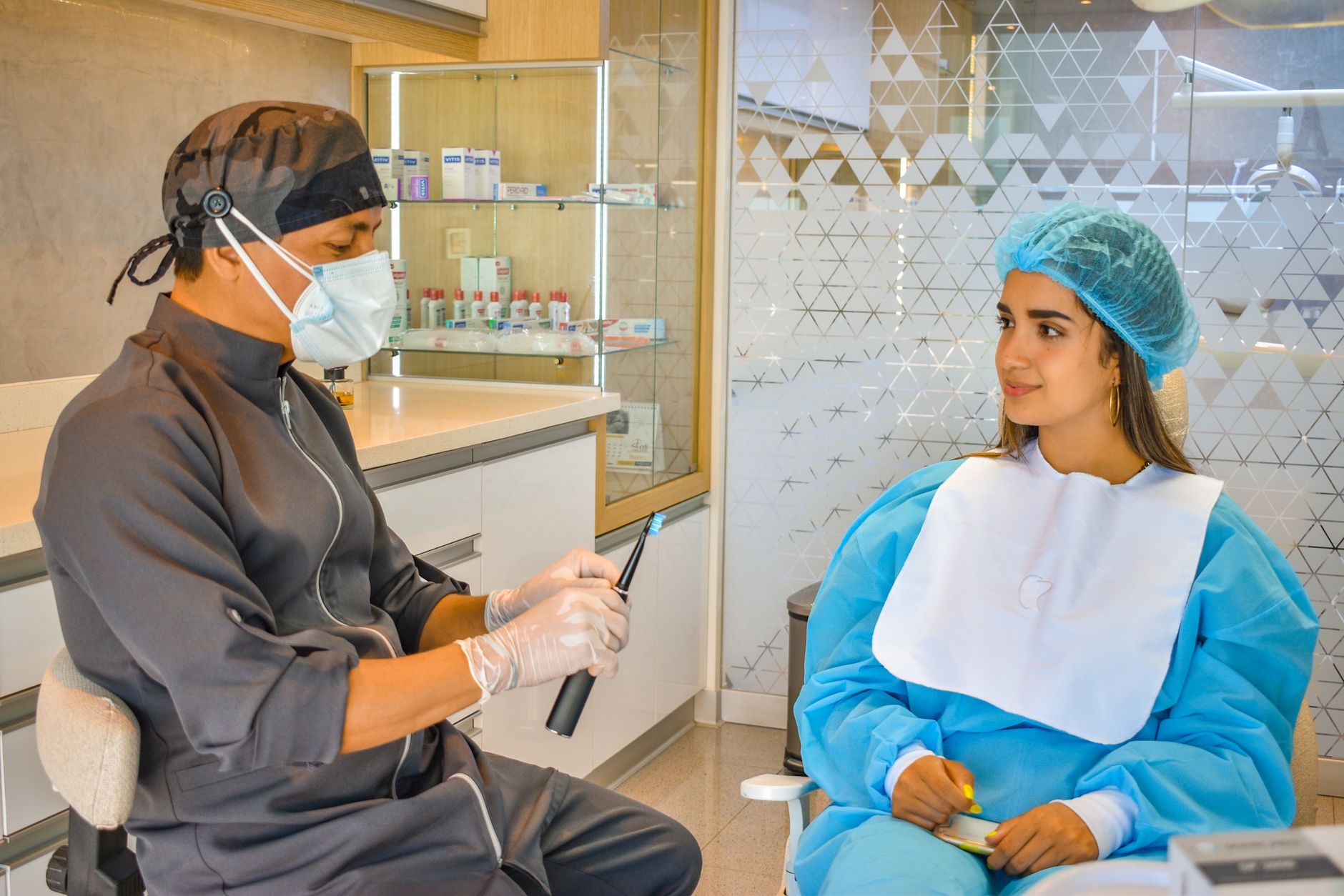
Photo by Jerussa Paredes via Pexels
Why mouthwash is a problem on day one
When the tooth comes out, a blood clot fills the socket. That clot is the dressing the body makes for itself, and the gum heals underneath it. For the first day or two, the aim is to leave it alone.
Mouthwash interferes in two ways:
- The swishing. Pushing liquid hard around the mouth creates pressure and suction, the same problem as a straw. Why a straw is off limits explains the mechanism.
- The ingredients. Many mouthwashes contain alcohol or strong flavourings. On an open socket they sting, and they are not what a healing wound needs.
Most people reach for the bottle because their mouth tastes of blood and they want it gone. That is a reasonable instinct, with a less aggressive solution.
What to do instead, day by day
These are guides, not exact hours. Dr. Joel will tell you if your own extraction calls for something different.
- The first 24 hours: no mouthwash and no vigorous rinsing. If the taste bothers you, take a small sip of water, tip it gently from side to side, and let it fall out of your mouth without spitting.
- From day two: a warm salt-water rinse after meals. Half a teaspoon of salt in a glass of warm water is enough. Tip it in softly and let it run out.
- If we prescribed an antiseptic rinse: use it exactly as we told you, and for as long as we said. That is the one case where a medicated mouthwash is part of the treatment.
- Ordinary mouthwash: usually a few days later for a simple extraction, and longer after a wisdom tooth or surgical extraction. Ask us before you restart it, because the date depends on how the socket looks.
Mouthwash does not replace brushing. It rinses; it does not clean. How to brush around an extraction covers the part that matters more.
Which mouthwash to be careful with
When you do go back to a normal mouthwash, the strong ones are the last to return.
- Alcohol-based mouthwash: stings a socket that is still open, and dries the mouth. It can wait.
- Mouthwash with a strong burn: if it is unpleasant on healthy gums, it will be worse on a wound.
- Anything swished hard for 30 seconds: the instructions on the bottle assume a mouth with no fresh wound. Swish gently, or tip and drain.
Smoking and alcohol are the other two habits that interfere at this stage. We cover them in smoking after a tooth extraction and drinking alcohol after an extraction.
If your extraction falls before Shabbat in Beit Shemesh
A tooth out on Wednesday or Thursday puts days two to five, when a dry socket is most likely, across Shabbat. Our clinic on Harav Kook 28/1 is open Sunday to Thursday 08:00 to 20:00 and Friday 09:00 to 17:00. Shabbat is reserved for genuine emergencies only.
That is the practical reason to keep the rinsing gentle on Thursday night. If a deep ache builds instead of fading, or the socket looks empty, call us before it turns into a Friday-afternoon problem. You can describe it to Dr. Joel in English or Hebrew. He trained in the United States and treats in both languages, so you do not have to translate a symptom you would rather not be explaining.
When to call us, and when to go to a hospital
Mild soreness and some swelling are normal. Call us, or your own dentist, if you notice:
- Pain that gets worse from day two or three instead of easing, especially a deep ache that spreads toward the ear. What dry socket feels like goes through it.
- A bad taste or smell that comes back after rinsing, or a socket that looks empty
- Bleeding that has not slowed after an hour or two of firm pressure on gauze. Bleeding after a tooth extraction covers what is normal.
Go to a hospital rather than a dental clinic for bleeding you cannot control, swelling that spreads down the neck or toward the eye, or any trouble breathing or swallowing. A question about mouthwash on its own does not need either. If the socket feels fine, it can wait for a routine check, and our general tooth extraction recovery guide covers the normal timeline.
No mouthwash for the first 24 hours, gentle salt water from day two, and ordinary mouthwash only when we say the socket is ready. If it hurts more on day three than day two, call.
We handle tooth extractions and the aftercare that follows at our clinic at Harav Kook 28/1 in Beit Shemesh. Call or WhatsApp 055-985-8845, with after-hours emergency treatment outside our opening hours.
For guidance from sources with nothing to sell, the ADA's MouthHealthy explains what dry socket is and how to avoid it, and the American Association of Oral and Maxillofacial Surgeons covers recovery after having a tooth removed.
Common questions
How long after a tooth extraction can I use mouthwash?
Can I use salt water the day of the extraction?
Is alcohol-free mouthwash safe straight after an extraction?
Will rinsing wash out the blood clot?
My mouth tastes bad after the extraction. Is that mouthwash territory?
Where can I get help in Beit Shemesh if the socket looks wrong?
Still not sure? Message us.
Send Dr. Gabriel Joel, DMD a quick description of what's going on and we'll point you in the right direction.
Message on WhatsAppDentist in Beit Shemesh — our dental clinic