
Why Do My Gums Itch? Common Causes and When to Worry
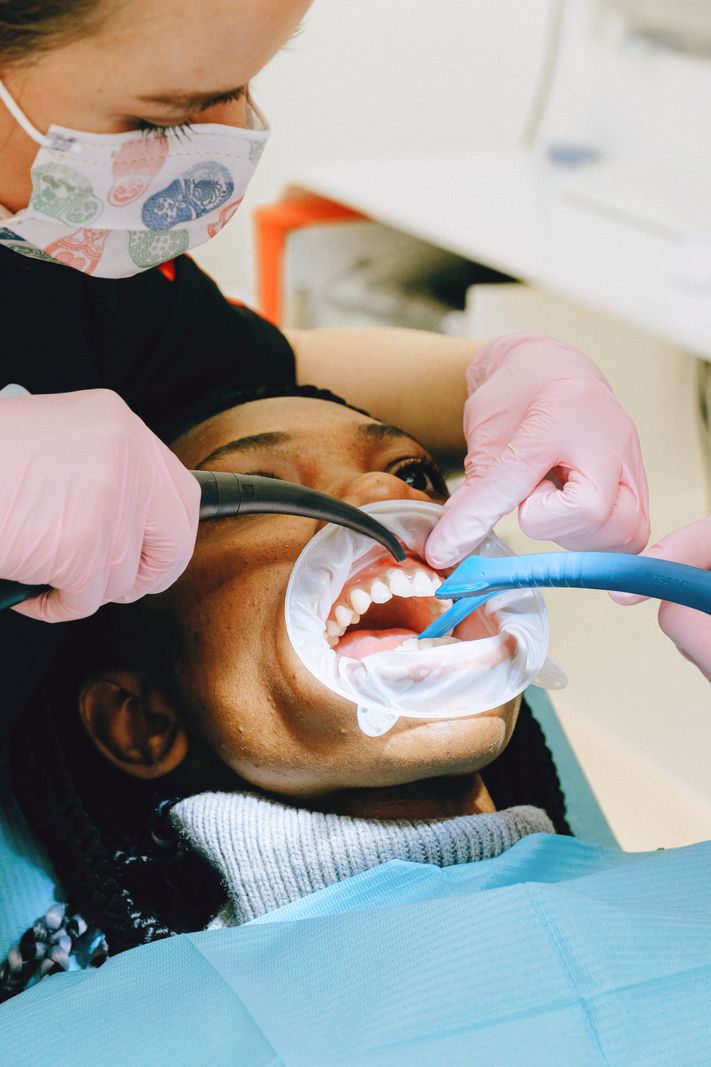
Photo by Anna Shvets via Pexels
The Everyday Causes
Most itchy gums come down to something ordinary rather than gum disease, which usually shows up as bleeding and puffiness before it ever itches.
- Plaque building up at the gumline. The film of bacteria that collects between brushes irritates the gum tissue, and irritation reads as an itch before it reads as pain. A thorough clean often settles it within a week.
- A new toothpaste, mouthwash, or whitening product. Sodium lauryl sulfate, strong mint flavouring, and whitening agents are the usual triggers. Stop the product for a week and see if the itch goes with it.
- Gums healing after a cleaning or a filling. Tissue that was just worked on itches as it settles, the same way a healing scrape on skin does. This calms within a few days on its own.
- Pollen and seasonal allergies. Oral allergy syndrome makes the mouth and throat itch alongside the usual sneezing and watery eyes, and it can involve the gums as much as the roof of the mouth.
- Dry mouth, from breathing through the mouth at night, some medications, or simply not drinking enough during a hot Beit Shemesh summer. Saliva keeps gum tissue comfortable, and less of it means more itching.
Why Spring in Beit Shemesh Makes This Worse
The same pollen that sets off sneezing and itchy eyes across the country each spring does not stop at the sinuses. Patients who come in during March and April describing an itch along the gumline, sometimes with a scratchy throat, are often surprised that a dentist is the one connecting it to hay fever rather than an allergist. If the itch tracks with your allergy season and calms down with an antihistamine, that is the answer, and it does not need a dental appointment at all - just something to know so you're not scheduling one.
When It's Actually Early Gum Disease
Occasionally an itch is the first thing you notice before the more familiar signs of gingivitis catch up: gums that bleed when you brush, look redder than usual, or feel puffy rather than firm against the tooth. Gums that bleed every time you brush covers what that stage looks like once it's past the itching. If the itch has been there more than two weeks and a proper clean hasn't touched it, or you notice recession where the gum has pulled back from a tooth, it's worth a look rather than another week of waiting - our piece on gum recession covers that pattern specifically.
The Signs That Mean Hospital, Not Dentist
An itch on its own is never a hospital matter. The exception is an allergic reaction that is spreading rather than staying put.
- Swelling of the lips, tongue, or throat alongside the itch
- Any tightness in the throat or difficulty breathing or swallowing
- Hives or itching spreading beyond the mouth, appearing quickly after a new food, medication, or dental product
Any of those is angioedema or an allergic reaction working its way past your mouth, and it needs a hospital emergency department, not a dental appointment. A dental chair can look at a gum. It cannot manage a closing airway.
What Actually Helps
- Switch back to a plain, SLS-free toothpaste for a week if you recently changed products, and see whether the itch goes with the change.
- A soft-bristled brush and a gentle warm salt water rinse, a few times a day, clears plaque without adding to the irritation.
- An antihistamine, if the pattern lines up with pollen season and your doctor is happy for you to take one.
- A professional cleaning if it's been longer than six months since your last one - plaque that's had time to harden into tartar won't fully clear with brushing alone.
Waiting to see if an itch settles on its own is usually the cheaper choice here, since most causes genuinely do resolve without treatment. Waiting on the things that come with it - bleeding, recession, a bad taste that doesn't clear - is where that logic stops working, and where it usually turns into a bigger job than the cleaning it started as.
When You Don't Need an Appointment
Most itchy gums are not worth a visit by themselves.
- Itching for a few days after a cleaning or filling, with nothing else going on. That's tissue settling, not a problem.
- Itching that tracks your allergy season and eases with an antihistamine, the same as it does every year.
- A one-off reaction to a new toothpaste that clears up once you go back to your usual one.
Mention any of these at your next routine check-up rather than booking specially for them. The AAE's guide to dental symptoms is a fair second opinion if you want to cross-check before deciding.
If the itch has lasted more than two weeks, keeps company with bleeding or a bad taste, or you're just not sure what you're looking at, it's an easy thing to have checked rather than guess about for another month. Call or WhatsApp Urgent Dental Care at 055-985-8845. We're at Harav Kook 28/1 in Beit Shemesh, open Sunday to Thursday 8:00 AM to 8:00 PM and Friday 9:00 AM to 5:00 PM, with same-day appointments where we have them. Our gum treatment page for Beit Shemesh covers what a proper clean-up involves if plaque turns out to be the cause.
Common questions
Why do my gums itch but not bleed?
Can allergies really make your gums itch?
Is it normal for my gums to itch after a cleaning?
Could itchy gums be an early sign of gum disease?
What toothpaste ingredient is most likely to cause itchy gums?
When should I worry about itchy gums?
Can I get itchy gums checked the same day in Beit Shemesh?
Still not sure? Message us.
Send Dr. Gabriel Joel, DMD a quick description of what's going on and we'll point you in the right direction.
Message on WhatsAppDentist in Beit Shemesh — our dental clinic