
Crown Cost After a Root Canal: What Drives the Price
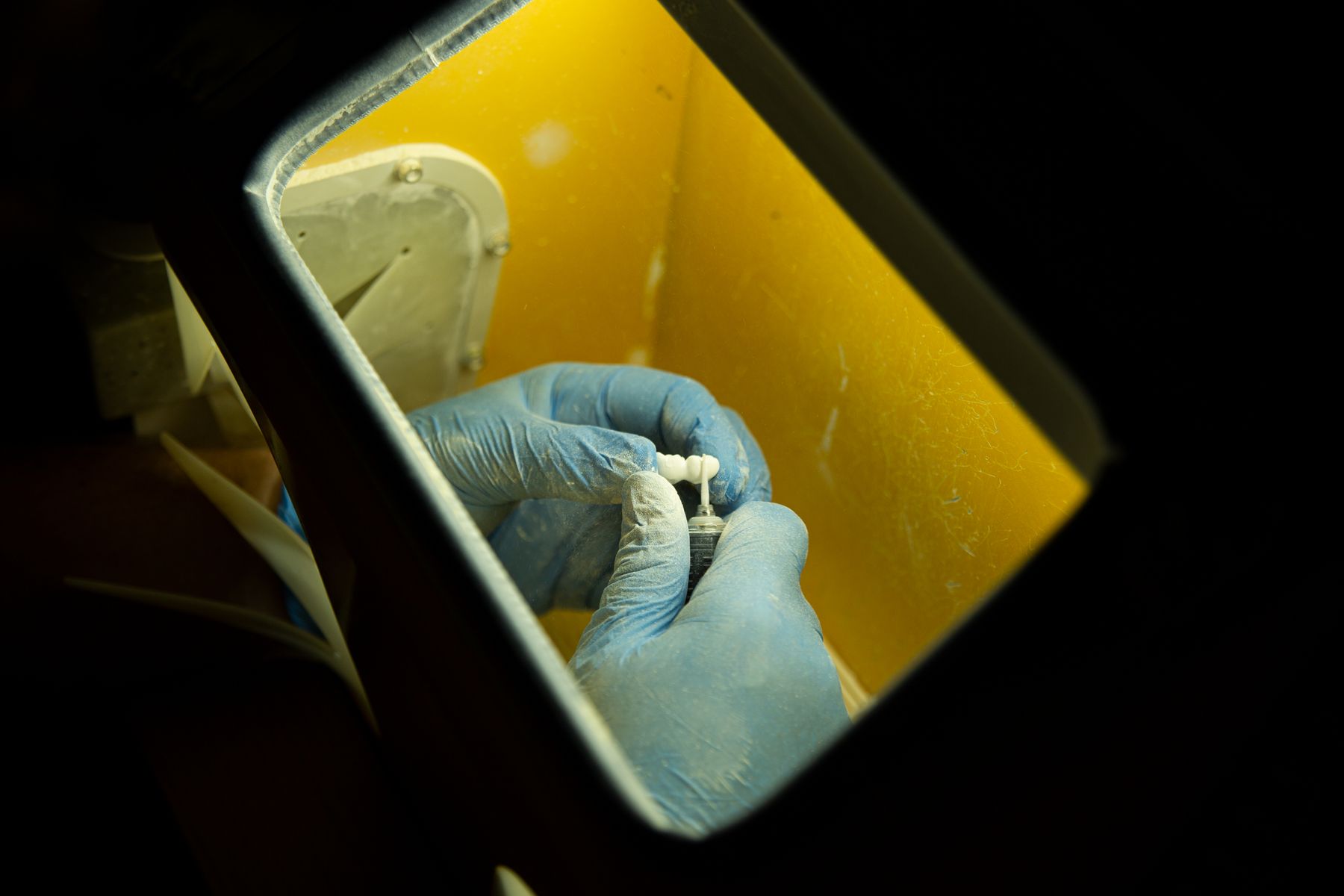
Photo by Ivan Babydov via Pexels
Why the crown is a separate cost from the root canal
People expect one bill for the root canal and get two, sometimes three. That is not padding. A root canal and a crown are different procedures that fix different problems. The root canal clears the infection out of the tooth. The crown protects the weakened tooth afterward so it survives years of chewing.
Because they are separate steps, often on separate visits, they are quoted as separate lines. A price you were given for a root canal may well be the canal work alone, with the crown still to come. And whether your tooth needs a crown at all is a real question, not an automatic yes: many front teeth do fine without one. Whether you need a crown after a root canal lays out which teeth do and which don't.
What drives the price of a crown
Two crowns on two different teeth can cost very differently. The main things that move the number:
- The material. A full-metal crown, a porcelain-fused-to-metal one, and an all-ceramic or zirconia crown are not the same price. Tooth-coloured ceramic on a front tooth, where it shows, usually costs more than metal on a back molar, where it does not.
- The lab work. The crown is made by a dental laboratory from a mould or scan of your tooth, and that lab fee is built into the price. A better-fitting, better-matched crown takes more lab time.
- Which tooth it is. A back molar needs strength; a front tooth needs to match your smile. That shapes both the material chosen and the cost.
- How much tooth is left. A tooth broken down to the gumline has to be rebuilt before a crown can sit on it, and that rebuild is its own charge — more on that next.
The extras that catch people out: the build-up and the post
This is the part that turns a two-line quote into a three-line one. Most teeth that need a root canal were already badly broken down by decay or a large old filling. Before a crown can be fitted, the dentist often has to rebuild the tooth: a build-up, which is a filling that restores its shape, and sometimes a post anchored into a canal to give the build-up something to hold onto.
Each of those is a separate charge. So a tooth that needs a post, a build-up and a crown costs more to finish than a tooth that only needs the crown. When you get the quote, ask whether a build-up or post is included or still to be added. The full breakdown of what a root canal costs walks through the canal work, the build-up and the crown as separate pieces, and a molar with three canals sits at the higher end before the crown is even added.
Does insurance or a kupah cover any of it?
Sometimes, partly. In Israel some of the cost can be offset through supplementary health insurance (bituach mashlim) with your kupat cholim, or through private dental insurance. Coverage varies a lot by policy: some plans cover a share of a crown, some cap it, some leave it out. The only way to know your share is to check your own plan.
Bring the itemised quote to whoever holds your policy and ask what they reimburse for a crown, a build-up and a post specifically, because a plan may cover one and not another. How insurance changes what a root canal costs goes through this in more detail. We can give you the itemised quote you need to make that call.
When paying for the crown is the cheaper choice
The crown can feel like the optional extra once the pain is gone and the canal is done. On a back tooth, it usually is not. A treated molar left uncrowned can crack under an ordinary bite, and a crack that runs below the gum often means the tooth cannot be saved at all — which trades the price of a crown for the far larger cost of an implant or a bridge later. Waiting to see whether the tooth holds up on its own is usually the more expensive choice, not the cheaper one.
Skipping or long-delaying the crown can also let bacteria leak back in around the temporary filling and reinfect a perfectly good root canal, so the work ends up looking like an incomplete root canal when the real gap was a missing crown.
When it isn't us you need
If a dentist has already crowned your treated tooth and it is comfortable, you do not need it redone because a page online listed a different material. A settled, crowned tooth is doing its job — leave it be. If a crowned tooth starts aching or the gum beside it swells, that is worth checking, because it can mean infection under the crown rather than a pricing problem.
And some things belong in a hospital, not a dental chair. Facial swelling spreading toward your eye or down your neck, trouble breathing or swallowing, or a high fever with chills is a medical emergency — go to an emergency room now, not to us. For the ordinary case of a treated tooth that needs protecting, a crown is what keeps it, and the price is something we put in writing before anything is done.
If you have had a root canal and want a straight, itemised answer on what the crown will cost, call or message us on WhatsApp at 055-985-8845. We are open Sunday to Thursday 8:00 AM to 8:00 PM and Friday 8:00 AM to 2:00 PM, with after-hours emergency treatment outside those hours. Come in for an exam and we will tell you plainly what the tooth needs and what each part costs — the root canal, the build-up and the crown are all done in one place at our clinic in Ramat Beit Shemesh.
For background from sources that are not trying to sell you anything, the ADA's MouthHealthy has a plain overview of what a dental crown is, and the American Association of Endodontists explains the treatment it protects on its page about root canal treatment.
Still not sure? Message us.
Send Dr. Gabriel Joel, DMD a quick description of what's going on and we'll point you in the right direction.
Message on WhatsApp