
Broken Tooth in the Middle of the Night: What to Do Now
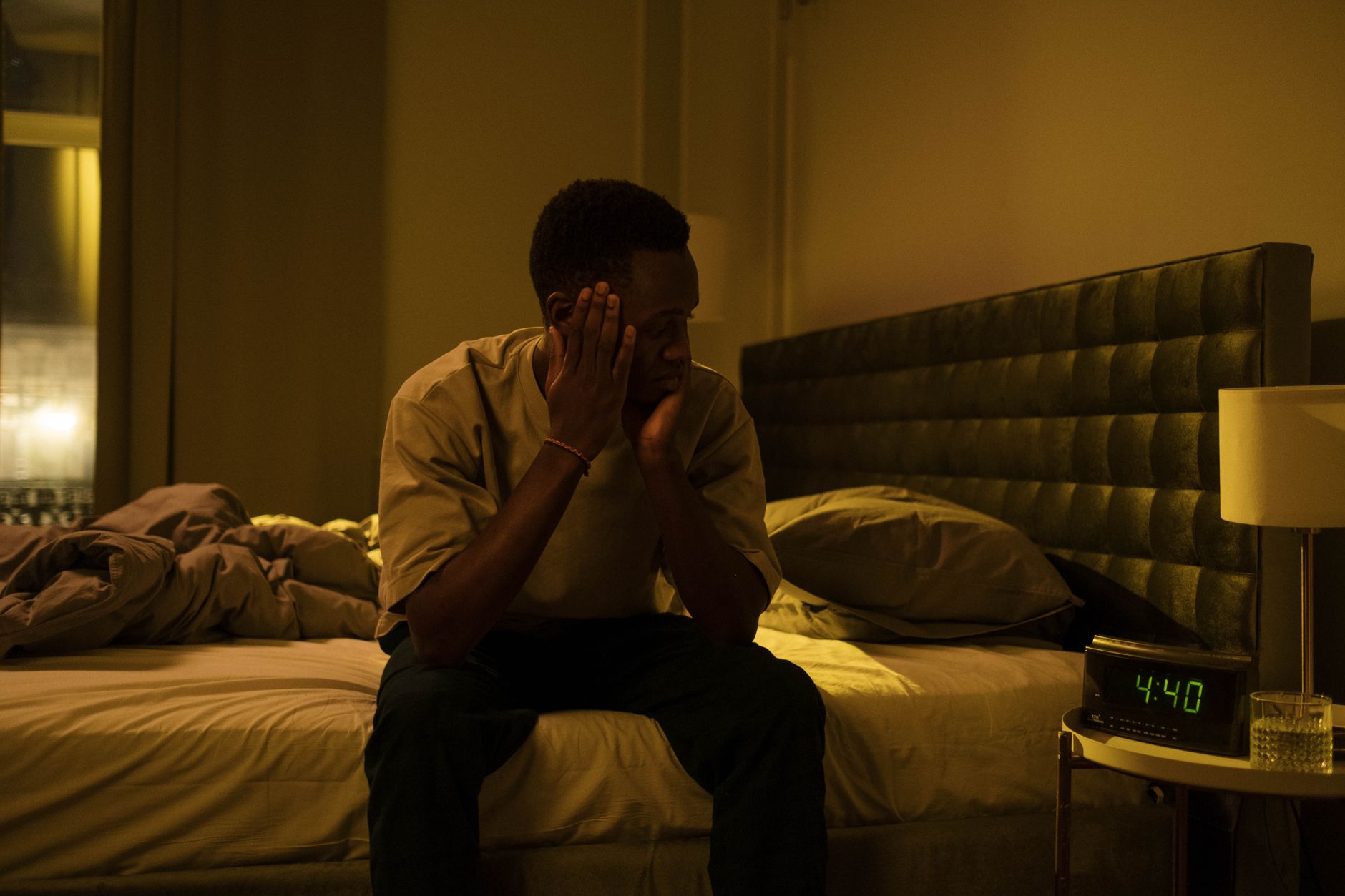
Photo by cottonbro studio via Pexels
What to Do in the First Ten Minutes
Nothing here requires a dentist, and all of it makes the appointment easier.
- Rinse gently with warm salt water. Do not swish hard, and do not poke at the break with anything.
- Find the piece that came off. Keep it in milk or in your own saliva, never dry in a tissue. A front-tooth fragment can sometimes be bonded straight back on.
- Cover a sharp edge. Sugar-free chewing gum pressed over it, or dental wax from a pharmacy, will stop it cutting your tongue and cheek overnight.
- Take a painkiller you already know you tolerate, at the dose on the packet. Never hold an aspirin against the gum: it burns the tissue and does nothing for the tooth.
- Cold compress on the outside of the cheek if there is swelling. No heat on the face while anything is swollen.
- Sleep with your head raised on an extra pillow.
- Stop using that side of your mouth entirely, including at breakfast. A tooth that has broken halfway usually finishes the job on something soft, on an ordinary morning, which feels unfair and is completely normal.
If a whole tooth has come out of its socket rather than broken, that is a different and far more time-critical problem. Saving a knocked-out tooth is measured in minutes, not hours.
The Signs That Mean Tonight, Not Tomorrow
Go to a hospital emergency department rather than calling us if any of these are happening:
- Swelling spreading down the neck, under the tongue, or closing an eye.
- Any difficulty swallowing or breathing.
- A mouth that will not open more than a finger's width.
- Fever with swelling that is visibly bigger than it was three hours ago.
- Bleeding after an injury that firm pressure has not stopped after twenty minutes.
- A blow to the face with confusion, vomiting, or any loss of consciousness.
Those need intravenous antibiotics and somebody watching an airway, not a dentist working alone at night. The ADA's guide to dental emergencies draws the line in the same place. Short of that list, two things still justify a call before morning: pain that painkillers have stopped touching, and a break deep enough that you can see pink or red tissue in the middle of the tooth.
When It Can Wait Until Morning, and Most Breaks Can
A break with no pain, no bleeding and no sharp edge is not an emergency. It needs an appointment, not a night.
- A chip off the enamel of a front tooth, painless, edge already smooth. A broken front tooth is usually repairable in one visit.
- A piece of an old filling that has come away, leaving a tooth that is sensitive to cold and settling down between episodes.
- A back tooth that has lost a cusp and does not hurt at all.
Waiting until morning is fine. Waiting until it hurts is the expensive version, because a broken tooth does not heal and the crack keeps travelling in the direction it was already going. How long you can safely leave a cracked tooth works through where that line sits.
Photograph It Before You Come In
At two in the morning there is one genuinely useful thing you can do besides sleep: send us a photo. WhatsApp it to 055-985-8845 with a line about what broke, when, and whether it hurts. A phone camera cannot see the nerve or the bone, so it triages rather than diagnoses, but it is usually enough for us to tell you whether this is a first-thing appointment or a this-week one. Sending a photo before your visit explains what a picture can and cannot show.
We are at Harav Kook 28/1 in Beit Shemesh, open Sunday to Thursday 8:00 AM to 8:00 PM and Friday 9:00 AM to 5:00 PM, Shabbat for emergencies only, with same-day appointments kept for teeth that cannot wait. Which night it happens matters here. A tooth that breaks on a Sunday evening is a phone call and a next-morning slot. The same tooth on Thursday night has a shorter runway, because Friday closes at 5:00 PM and nothing opens again until Sunday, so a Friday-morning appointment is worth taking even if it feels manageable.
Ramat Beit Shemesh is about two kilometres from the chair, which is a considerably shorter drive than the one to a Jerusalem hospital at 2am. That drive is the right call for the list above and the wrong call for a broken tooth. Dr. Joel trained in the United States and treats in both Hebrew and English, which helps when you are describing what happened rather than translating it.
How a Broken Tooth Actually Gets Repaired
How much broke off decides the treatment, not how dramatic it looked in the mirror.
- A small chip: smoothed, or built back with bonding, in one visit.
- A larger break with the tooth still solid: a filling or a crown, depending on how much wall is left.
- A break that reaches the nerve: root canal treatment first, then a crown to hold the rest of the tooth together.
- A break below the gum, or a root split in two: the tooth usually cannot be saved, and we will say so rather than charge you for a repair that fails in a year.
The AAE's page on cracked teeth sets out the same categories. Our broken tooth repair post covers what each option involves, and the cracked tooth repair page for Beit Shemesh has the practical detail on being seen.
If you are lying awake unsure which of these you are in, that on its own is a fair reason to send a photo and ask. Call or WhatsApp 055-985-8845. We are at Harav Kook 28/1 in Beit Shemesh, open Sunday to Thursday 8:00 AM to 8:00 PM and Friday 9:00 AM to 5:00 PM, with same-day appointments when a tooth cannot wait.
Common questions
My tooth broke but it does not hurt. Do I still need to be seen?
Can I glue the broken piece back on myself?
Should I go to the hospital for a broken tooth at night?
Can I be seen the same day for a broken tooth in Beit Shemesh?
What if my tooth breaks on Shabbat?
Will a broken tooth definitely need a root canal?
How long can I leave a broken tooth before treating it?
Still not sure? Message us.
Send Dr. Gabriel Joel, DMD a quick description of what's going on and we'll point you in the right direction.
Message on WhatsAppDentist in Beit Shemesh — our dental clinic