
Urgent Dentist in Jerusalem: How to Get Seen Today
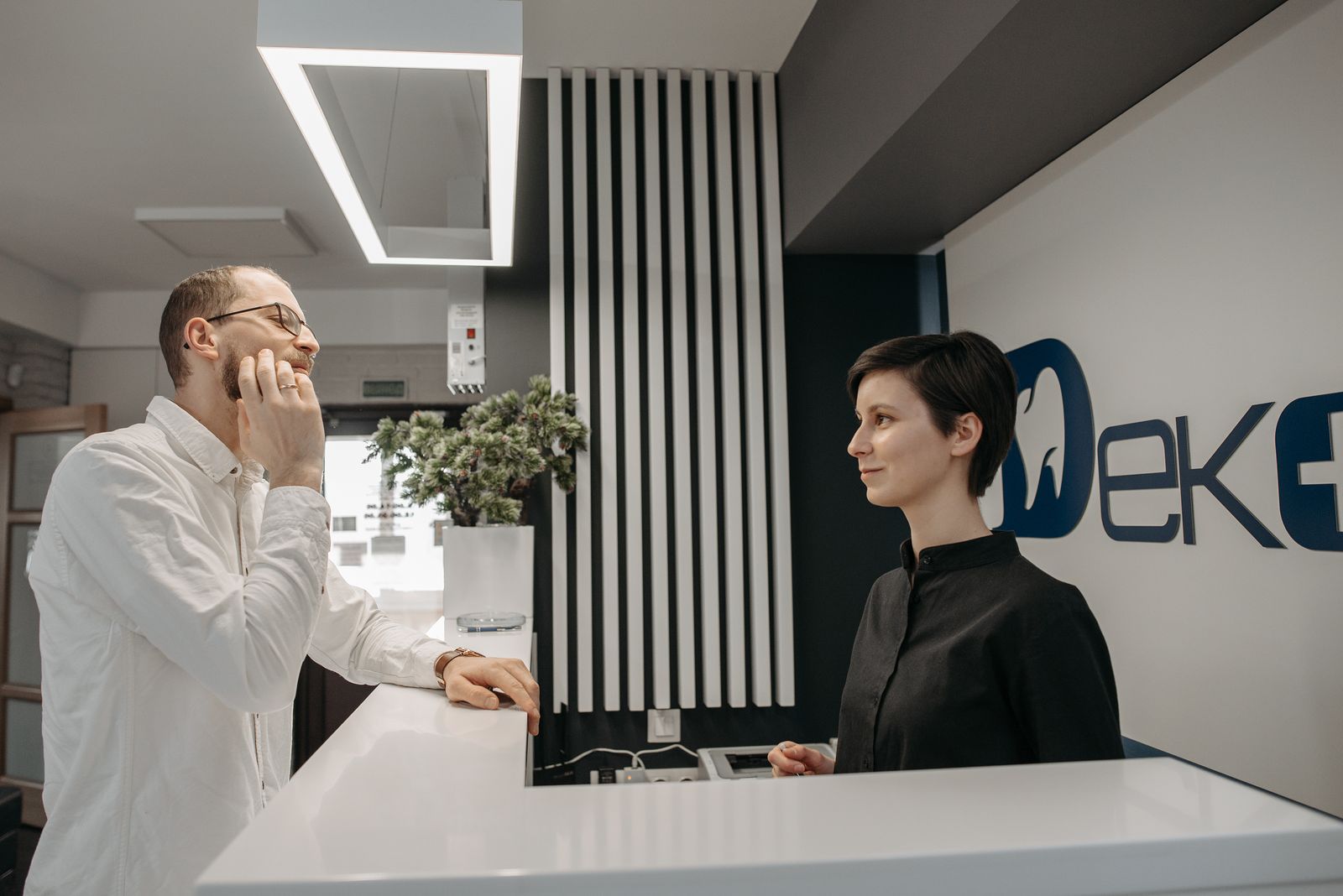
Photo by Pavel Danilyuk via Pexels
What Counts as Urgent, and What Can Wait
Urgent doesn't mean dramatic. What moves a tooth up the queue is whether the problem is active and likely to get worse, not how loud it is at this exact moment. Book to be seen the same day if you have:
- Constant or throbbing pain that keeps you awake or that painkillers only dull.
- A tooth that hurts to bite on, or that feels raised in the socket.
- Swelling in the gum, cheek, or jaw, or a bad taste that keeps coming back, which usually means an infection.
- A lost filling or crown that's left the tooth sharp or raw, or a broken tooth with an exposed centre.
Plenty of things can genuinely wait for a routine slot, and we would rather tell you that than book you for today. A tooth that gives one brief twinge to cold and settles, a dull ache that comes and goes with no swelling, or a small chip with no pain is usually fine to see in the next week or two. Our guide to same-day tooth pain and our post on tooth pain in Jerusalem walk through where the line sits.
How Fast You Can Actually Be Seen in Jerusalem
In Jerusalem the treatment is rarely the bottleneck. The wait for an appointment is. You have two realistic routes. Your kupah (health fund) clinic is the cheaper option, but urgent slots fill quickly, and a painful tooth often means several days on painkillers before you're seen. A private dentist who keeps urgent slots can usually fit you in the same day or the next, and treat the problem in one place instead of sending you on for the actual work.
Here's the part worth saying plainly: waiting to see whether it settles on its own is usually the more expensive choice, not the cheaper one. An infected or cracked tooth rarely improves while you wait, and the fix rarely gets smaller. A tooth that a root canal could save one week can become an extraction the next. If the pain is steady and you're otherwise well, holding a day or two on painkillers is reasonable. If it's spreading, don't wait for the next free slot. Our urgent dental care page for Jerusalem and our post on an emergency dentist in Jerusalem explain how quick visits work.
What Helps Until You're Seen
None of this fixes the tooth, but it takes the edge off without hiding what the dentist needs to see:
- Take a painkiller you tolerate at the packet dose. An anti-inflammatory like ibuprofen usually does more for a toothache than paracetamol, because it targets the inflammation driving the throb.
- Keep your head propped up, including at night, since lying flat sends more blood to the tooth and makes the throbbing worse.
- Hold a cold compress against the outside of the cheek if there's swelling, and keep anything hot or cold off the tooth itself.
- Chew on the other side, and skip hard or chewy food until you're seen.
A leftover packet of antibiotics is not a fix. It can quiet an infection for a few days without treating the tooth, and the pain returns once it runs out. Our guides on which painkillers actually help and facial swelling from a tooth infection cover the safe options.
When It's a Hospital, Not a Dentist
Most urgent teeth belong in a dental chair. A few are past what any clinic can safely handle, and going to the wrong place costs time you may not have. Go straight to a hospital emergency room, not a dentist, if:
- Swelling is spreading toward your eye or down into your neck.
- You have any trouble breathing or swallowing, or your voice suddenly sounds different.
- You have a high fever with chills alongside the tooth.
Those mean a dental infection has turned into a medical one, and they don't wait. Jerusalem hospital staff handle English routinely, so that's one worry you can set down.
Getting Seen in English, a Short Drive from Jerusalem
If your Hebrew handles the shops but not words like abscess, nerve, and swelling, an urgent visit is the worst time to be translating for yourself in the chair. Nobody covers the Hebrew for "it throbs when I lie down" in ulpan, and a flared-up tooth is a poor evening to learn it. You can do the whole visit in English here. Dr. Gabriel Joel, DMD, trained and qualified in the United States, so describing exactly how the tooth is behaving and hearing what's actually wrong both happen in a language you're comfortable in.
The clinic is at Harav Kook 28/1 in Ramat Beit Shemesh, roughly half an hour from most of Jerusalem, with easier parking than most city-centre clinics. We see patients from across the wider area, not only local residents, and you don't need to be registered with us in advance. If your kupah can see you in good time and you're comfortable in Hebrew, that route is perfectly fine, and we'll say so. Our guides to finding a dentist in Jerusalem and an English-speaking dentist near Jerusalem cover the non-urgent side.
What an Urgent Visit Costs
The cost depends on what the tooth actually needs, so the honest answer is that we give you the price for your specific case before anything starts, not after. An exam and X-ray to find out what's going on is one thing; the treatment that follows, whether that's draining an infection, a filling, a root canal, or an extraction, is another, and you'll hear the number before we begin. Your kupah may cover part of some treatments at reduced rates, so it's worth checking what yours includes. Our toothache treatment page for Jerusalem and root canal treatment page explain how visits work.
If a tooth has flared up and you're in or near Jerusalem, call or WhatsApp us at 055-985-8845 and tell us how it's behaving. We'll tell you how soon you need to be seen, give you the price for your specific tooth before anything starts, and if it can safely wait, we'll say so rather than rush you in. We're at Harav Kook 28/1 in Ramat Beit Shemesh, a short drive from Jerusalem, open Sunday to Thursday 8:00 AM to 8:00 PM and Friday 8:00 AM to 2:00 PM, with after-hours emergency treatment outside those hours. You see one dentist, Dr. Gabriel Joel, DMD, who trained in the United States, and the whole visit can be in English. Our emergency dental care page for Jerusalem patients explains how urgent visits are handled.
For guidance from sources with nothing to sell, the ADA's MouthHealthy explains how to handle a dental emergency and what to do about a toothache, and the American Association of Endodontists has plain-language information on saving a tooth.
Still not sure? Message us.
Send Dr. Gabriel Joel, DMD a quick description of what's going on and we'll point you in the right direction.
Message on WhatsApp