
Implant vs Root Canal: Is It Better to Pull the Tooth?
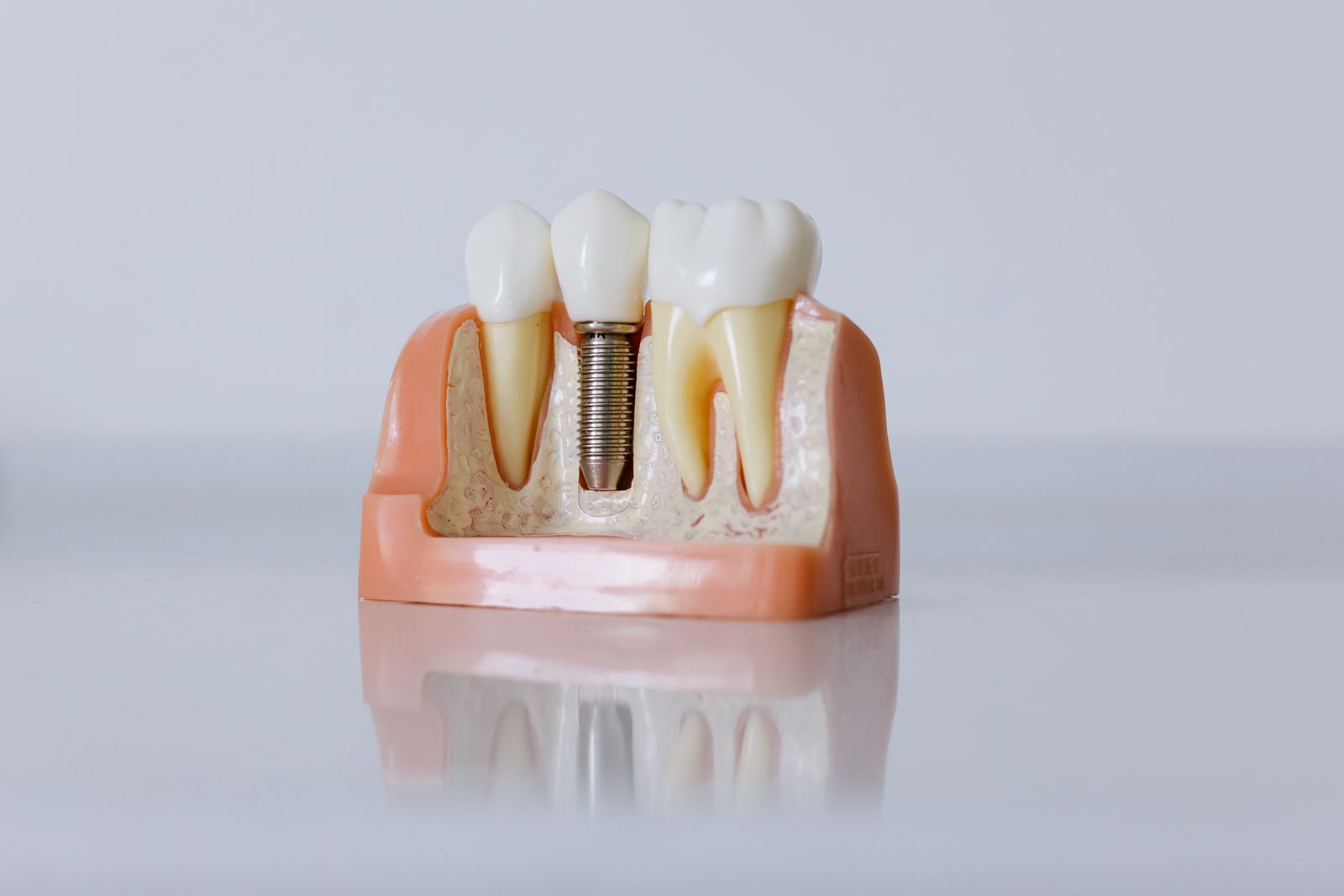
Photo by cottonbro studio via Pexels
The Short Answer: Keep a Tooth That Can Be Saved
Dentistry has a default setting, and it's this: save the natural tooth when it can be saved. A root canal does exactly that. It clears the infected nerve out of a tooth, disinfects the space inside the roots, and seals it, so you keep the tooth you already have. An implant replaces a tooth that's already gone, or one too broken to keep.
The two aren't competing for the same tooth. A root canal is for a tooth that's still sound enough to keep. An implant is for a tooth that isn't. Framing it as "implant or root canal" makes it sound like a preference. It's usually a question of what the tooth in front of you can still support, and that's decided looking at an X-ray, not in the abstract. Whether a root canal is really necessary covers how that first call is made.
What Each One Actually Involves
The two procedures are more different than people expect.
A root canal keeps your own tooth. The infected pulp (the nerve inside the tooth) is removed, the canals are cleaned and sealed, and the tooth is usually capped with a crown to protect it. It's typically done in one or two visits, and the tooth stays put the whole time. A treated tooth can last for decades, often for life, when it's restored properly.
An implant replaces the tooth entirely. The tooth is extracted, a titanium post is placed into the jawbone, and after the bone heals around it, usually three to six months, a crown is fitted on top. It's a longer road with more stages, and sometimes a bone graft is needed first if the bone has already shrunk where the tooth was.
Cost, Time, and What Stays in Your Mouth
For most people the practical differences come down to three things.
- Cost. Saving a tooth with a root canal and crown is generally less expensive than extracting it and placing an implant, once you count the extraction, the implant, the abutment, and the crown on top. Exact figures depend on the tooth and the case, so we go through them at the visit rather than quoting a number blind.
- Time. A root canal is usually finished in one or two visits over a week or two. An implant runs over several months, because the bone has to heal around the post before the crown goes on.
- What's in your mouth meanwhile. With a root canal the tooth never leaves. With an implant there's a gap to manage during healing, often bridged with a temporary tooth.
None of that makes an implant a bad option. It makes it the option you choose when the tooth can't be kept, not the one you reach for first. Whether a root canal is worth the cost goes deeper into the money side.
When an Implant Really Is the Better Choice
Sometimes pulling the tooth and placing an implant is the right answer, and it's worth being straight about when. An implant makes more sense when:
- The tooth is cracked down through the root, which a root canal can't fix.
- There's too little healthy tooth left to rebuild and crown, so even a successful root canal would have nothing solid to hold onto.
- The tooth has severe bone loss around it from gum disease and has gone loose.
- A previous root canal has failed and can't be redone, and the tooth can't be saved another way.
In those cases a root canal would just be money spent to keep a tooth that's coming out anyway. If your tooth is in that category, an implant, or another replacement, is the better use of your money, and we'll tell you so rather than talk you into a root canal that won't hold. Root canal versus extraction walks through where that line sits, and when a tooth genuinely needs to come out covers the extraction itself.
How the Decision Actually Gets Made
The choice isn't a philosophy, it's a look at the specific tooth. What we're checking is how much healthy tooth is left above and below the gum, whether the roots are intact or cracked, how much bone is holding the tooth, and whether an earlier treatment has failed. An X-ray answers most of that in a few minutes.
One thing that quietly makes the choice for people is waiting. A tooth that could have had a straightforward root canal a month ago can crack or decay further while it's left, until saving it stops being realistic and extraction becomes the only route. Waiting to see whether it settles is usually the more expensive choice, because it narrows what's still possible. If a tooth is bothering you, the time to keep the cheaper, tooth-saving option on the table is before it closes.
If you've been told a tooth needs a root canal and you're weighing an implant instead, get it looked at before the decision gets made for you. Call or message us on WhatsApp at 055-985-8845. We're open Sunday to Thursday 8:00 AM to 8:00 PM and Friday 8:00 AM to 2:00 PM, with after-hours emergency treatment outside those hours, and we handle root canal treatment and emergency dental care in Ramat Beit Shemesh. We'll put the X-ray on the screen and tell you honestly whether the tooth is worth saving or better replaced.
For background from sources with nothing to sell, the American Association of Endodontists explains what a root canal does and why saving a natural tooth matters, and the ADA's MouthHealthy covers how dental implants work and when they're used.
Still not sure? Message us.
Send Dr. Gabriel Joel, DMD a quick description of what's going on and we'll point you in the right direction.
Message on WhatsApp